
iPhone and iPad users in the European Union now have the unique ability to install alternative application stores and download apps directly from developers’ websites. This unprecedented freedom arises not from a change in Apple ‘s corporate philosophy but rather a legal obligation to comply with the Digital Markets Law . Historically, Apple has defended its closed ecosystem, often arguing that the introduction of external applications jeopardizes user security . However, even under these new regulations, Apple maintains a considerable amount of control over what can be installed on its devices. A recent event involving the Iitorrent application highlights this ongoing control.
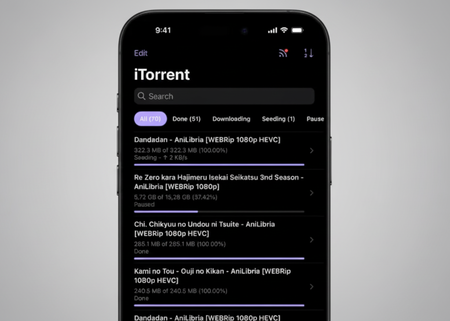
Iitorrent, a BitTorrent client designed for iOS, had previously managed to find a distribution channel outside of the official App Store. However, everything changed when its developer announced via GitHub that Apple had revoked the ability to distribute the application through this alternative route. Without warning, Iitorrent became unavailable for new installations, leaving many users frustrated and unable to download the app. This was not merely a technical failure; it was a direct indication that Apple still holds significant authority over app availability, even beyond its proprietary marketplace.
This is how Apple decides which applications are still alive in iOS
The system of Notarization , which Apple presents as a security review, is a crucial mechanism through which the company retains control. If an application fails to meet Apple’s criteria or is classified as malicious software , the company can prevent the app from being installed and even block it from running on devices where it has already been downloaded. This same principle applies to third-party stores, which must also adhere to specific permissions that Apple grants and can revoke at any time. As a result, despite the promise of installing apps from alternative sources, every installation remains subject to Apple’s final validation of the app’s security.
Notarization for iOS and iPadOS apps is a basic review that applies to all apps regardless of their distribution channel. It focuses on the security and privacy policies of the platform and aims to maintain the integrity of the device.
<pIn a recent communication, the Ititorrent developer explained that Apple had revoked the ability to distribute the app via alternative stores, effectively removing it from Altstore Pal. Despite reaching out to Apple Support for clarity, the developer received no definitive answers. Apple’s subsequent statement to 9to5Mac confirmed this action, noting, “The certification of this application was eliminated to comply with the rules on government sanctions in various jurisdictions. We have informed the developer.”
What happened with Iitorrent is not an isolated incident. Numerous projects aiming for distribution via alternative stores have encountered rejection during the notarization process. For example, the application Mini Vmac was rejected and failed to reach Altstore Pal. This situation illustrates that Apple indeed retains the power to eliminate apps from circulation, regardless of whether they originate from its own store. For many users, this practice represents a significant overreach, while others argue that it serves to protect user security. Regardless of perspective, the legal climate in Europe has not diminished Apple’s controlling role over app distribution.

The pressing question many users have is whether Apple can revoke access to an application that has already been installed from an alternative store. The answer is yes. All applications on iOS are subject to notarization and permissions managed directly by Apple, meaning that if this authorization is revoked, the app will cease to function. Users who already have the app downloaded may continue to use it, provided Apple does not classify it as harmful, in which case the system will block access entirely.
Images | ALTSTORE PAL
In summary, while the new Digital Markets Law has opened doors for users in the EU, it does not eliminate Apple’s stringent control over its ecosystem. As the tech landscape evolves, the balancing act between user freedom and security becomes ever more complex.