
Gustavo Petro’s Unique Ruana: A Closer Look at Tradition and Controversy
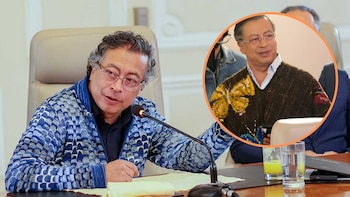
During his visit to the picturesque region of Boyacá, President Gustavo Petro received a distinctive brown Ruana hand-woven by local artisans. This exquisite garment, characterized by its vibrant decoration featuring yellow butterflies, quickly garnered attention. President Petro’s appreciation for this traditional cloak was evident, as he wore it at various public events and even during a televised Council of Ministers meeting.
The Ruana with butterflies that Gustavo Petro was elaborated by artisans from Boyacá – credit @petrogustovo/
However, the constant display of the Ruana sparked a wave of controversy. Journalist Paola Ochoa gripped the airwaves of Blu Radio, alleging that President Petro’s action inadvertently supported animal abuse. She articulated her concern, stating, “Behind that wool ruana, there is a whole story of suffering. Many sheep suffer wounds during the shearing process; some even die.” Ochoa referenced the organization PETA (People for the Ethical Treatment of Animals) to bolster her claims.
This public discourse on the Ruana has opened the floor to a dialogue about the ethical implications of wool production. Supporters of this traditional attire argue that shearing is not merely an act of exploitation. A spokesperson for the Nomadic Memory Association addressed the issue, elaborating on the necessary care that sheep require. “The sheep wool is not cut for pleasure but is essential for the animal’s wellbeing,” she explained.
The Act of Shearing: A Necessary Tradition
The spokesperson elaborated that failing to shear sheep could lead to health complications due to the weight of the uncut wool. “If I don’t shear my sheep, it can return with a condition that might damage its health,” she stressed. This insight sheds light on the complexities surrounding sheep shearing and challenges the notion that it only represents animal suffering.
She also shared the nuanced practices that govern the shearing process. “Wool must be cut according to specific moon phases. For example, it’s best to shear in diminishing phases and avoid rainy spells,” she advised. This traditional knowledge reflects a deep connection between rural practices and the environment.
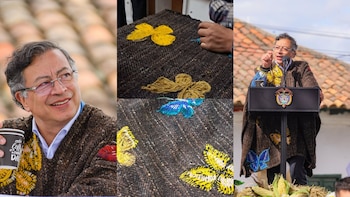
Prepared by tibasosa weavers, Boyacá, the garment fuses peasant traditions with references to magical realism and national identity – credit @gustavotrourrego/ Instagram
Moreover, she asserted that sheep often exhibit positive changes in mood post-shearing, akin to the feeling of relief when one gets a much-needed haircut. “When you remove that excess wool, the sheep are happier—they jump and run,” she remarked, countering the negative portrayal of the act of shearing.
The artisan’s perspective also emphasizes how wool production is steeped in tradition. “I have been involved in wool processing from the age of 13, a skill passed down from my mother. This art is part of who I am,” she added, urging people not to stigmatize the craft.
Cultural Significance of the Ruana
The Ruana itself holds immense cultural significance in Colombia, particularly in Boyacá. Traditional weaving techniques and artistic expressions come together to create a garment that resonates with local identity and folklore. The Ruana gifted to President Petro is valued at 1,200,000 pesos and is crafted from high-quality wool, adorned with multicolored butterflies—a nod to Colombia’s rich magical realism narrative, reminiscent of Gabriel García Márquez’s literary works.
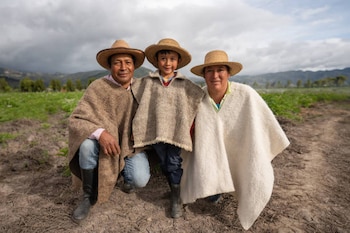
The Ruana is so important in Boyacá that the day is celebrated there to recognize the use of this garment – Istock Credit
More than 25 peasant families collaborated in creating the Ruana, contributing their unique skills ranging from yarn preparation to intricate finishes. This effort reflects a collective endeavor, and it is noteworthy that there are currently no exact replicas of the presidential model.
The vibrant design and cultural heritage encapsulated in the Ruana signify more than mere fabric; it represents community, tradition, and a profound connection to the land.
While the controversy raised by Ochoa’s comments may have brought attention to animal welfare issues, it has also sparked an essential conversation about the intersection of tradition and ethics in rural Colombia. The Ruana, as an emblem of cultural identity, invites a broader reflection on the complexities of modernity versus tradition in the sphere of craftsmanship and animal husbandry.
In summary, the Ruana serves as a vital cultural artifact that navigates the delicate balance between heritage and contemporary ethical concerns. The local artisans not only keep a centuries-old tradition alive but also contribute to the ongoing dialogue about the ethical aspects of animal husbandry. So, as we celebrate this unique garment, we also learn about the narratives it embodies—those of community, tradition, and the indefatigable spirit of the Colombian people.