
Viral Trend “Lie Ojitos” Reflects Mexico’s Cultural and Social Landscape
In recent days, a novel trend has captured the attention of social media users across platforms, showcasing vibrant images of Mexico, the Chicuarotes, vibrant cumbia music, and jesters—all going viral. This fresh phenomenon is known as “Lie Ojitos,” rooted in the compelling narrative of Gael García Bernal’s 2019 film Chicuarotes.
While the trend does celebrate various facets of Mexican culture—highlighting neighborhoods, food, and colorful urban landscapes—it also serves as a protest tool delineating the stark inequalities faced by many Mexicans today.
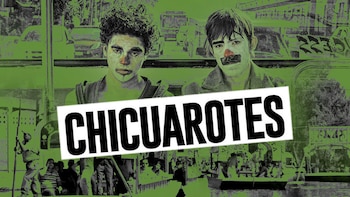
In these clips, users decorate urban spaces with soundtracks from the film, capturing unvarnished glimpses of everyday life in Mexico—far removed from glamorized representations. The clown characters in these videos add humor to often serious social commentary.
The trend is underscored with the catchy cumbia from Tropical Apache, titled “Lie Ojitos.” The lyrics encapsulate frustration and a yearning for change in society. The audio reminds listeners that ignored voices will no longer be silenced.
Film Inspiration and Real-World Reflection
Chicuarotes narrates the journey of two friends, “Cagagera” and “Moloteco,” living in the San Gregorio Atlapulco neighborhood, south of Mexico City. These characters earn a living by entertaining as clowns but face the deep-rooted struggles of marginalization. Their decision to resort to crime after repeated failures to gain acceptance is a poignant critique of societal neglect.
San Gregorio Atlapulco is not merely a fictional backdrop. It stands as a rich cultural hub, recognized for its chinampera system, a traditional agricultural practice. The term Chicuarotes, used to describe the locals, reflects the culture of hardiness. It translates to the stubborn nature of its people, tracing its roots back to indigenous speech.
According to the Electoral Institute of Mexico City (IECM), the name “Chicuarote” originates from the word “Chincual,” a descriptor of restless children. This linguistic evolution includes ties to Chile, an essential element in local cooking, reinforcing cultural identity.
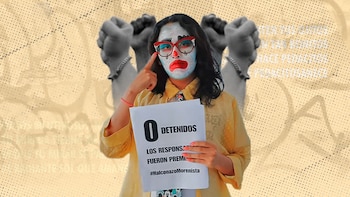
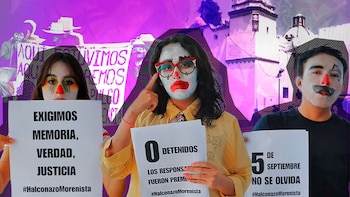
Max Negrete, a resident of San Gregorio Atlapulco, has embraced this trend for a different purpose. In a recent video, he and his friends, costumed as clowns, used the platform to shed light on systemic issues facing their community, particularly following the events of September 5, 2024, when police repression marred a peaceful protest led by human rights defender Hortensia Telésforo.
Following an unjust notification for questioning related to community activism, Telésforo’s plight highlights larger social injustices that plague marginalized communities. Local protest in support of human rights has often met impenetrable resistance from authorities—an issue many seek to change.
The community’s frustration is compounded by the arrest of five individuals during protests. They faced unjust detainment, leading to a public outcry that called for liberation and accountability from authorities, notably following a police crackdown involving elite forces dispatched by the Mexico City Government.
A year later, justice remains elusive. Community members insist that political interference prevents accountability while affirming their identity by declaring: “We are chicuarotees, no characters from a film, not a brand, not a political booty. We are a people, an identity, a resistance.”
This phrase captures the essence of their struggle and highlights that behind every trend lies a genuine confrontation with complex societal realities. The “Lie Ojitos” trend not only entertains but also empowers voices that demand change, echoing the determination of a community unwavering in its quest for justice.
Through their creativity and resilience, Max Negrete and others are utilizing social media not just to cope but to advocate for a fairer, more just society.