
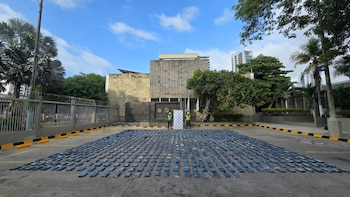
Major Cocaine Seizure by Colombian Authorities
Colombia is once again making headlines in the ongoing global war on drugs. Recently, authorities in Colombia successfully seized more than one ton of cocaine believed to belong to the notorious Mexican criminal organization, the Cartel Jalisco Nueva Generación (CJNG). This operation underscores the persistent drug epidemic that plagues not only Colombia but also countries far beyond its borders.
Details of the Operation
The large cache of drugs was discovered at the port of Cartagena, an important logistical hub for international shipping and trade. The seized shipment was reportedly destined for Tecámac, a suburb located in the State of Mexico. This operation is part of a broader strategy aimed at curtailing the influence and financial capabilities of organized crime syndicates like CJNG.
According to preliminary estimates, the seized cocaine could yield approximately 2.5 million doses when distributed in international markets. This staggering statistic highlights the scale of the drug trafficking problem and the lengths to which these organizations will go to distribute their illicit products.
Financial Impact on Criminal Structures
The Colombian authorities reported that the operation could significantly impact the financial operations of the CJNG. The seizure is estimated to have affected the cartel’s revenues by approximately $14 million USD. This amount represents not just a monetary loss for the cartel but also a significant blow to its operational capabilities.
The Colombian National Police emphasized the gravity of the situation, stating that the seizure is part of ongoing efforts to dismantle the criminal framework that sustains drug traffickers. According to reports, such operations are vital not just for Colombia, but for the entire region, given the links between Latin American drug cartels and global drug trafficking networks.
The Bigger Picture: A Global Challenge
The implications of drug trafficking extend beyond the borders of Colombia and Mexico; they influence international relations, economic stability, and public health across the globe. Countries like the United States and various nations in Europe and Asia are grappling with the ramifications of drug addiction and trafficking, making it an international priority to combat this pervasive issue.
The CJNG is particularly notorious for its violent tactics and extensive reach. This cartel has been linked to numerous incidents of violence and has developed a sophisticated distribution network that spans continents. Consequently, operations like the one in Cartagena offer a crucial glimpse into the ongoing struggle against drug trafficking organizations.
Community Impact
Beyond economic concerns, drug trafficking devastates communities, eroding societal structures and contributing to higher crime rates. In many regions of Colombia, the presence of drug cartels has led to violence, corruption, and deteriorating public safety. By intercepting these large shipments, authorities not only work to weaken the cartels but also strive to protect vulnerable communities affected by the drug trade.
Additionally, such actions have broader implications for national security. The existence of powerful cartels can destabilize entire regions and undermine government legitimacy. By tackling drug trafficking head-on, Colombia seeks to regain control and foster stability.
The Path Forward
In light of these recent events, it is clear that the fight against drug trafficking is far from over. While the seizure of over one ton of cocaine is a significant victory, it is only one part of a much larger battle. Ongoing collaboration between nations, along with intelligence sharing and coordinated law enforcement efforts, will be essential in the continued fight against organized crime.
Furthermore, addressing the root causes of drug production and trafficking will be crucial for sustainable solutions. By investing in community development, education, and health care, nations can work towards diminishing the appeal of drug production as a viable economic option for vulnerable populations.
In summary, as Colombia continues its efforts to combat drug trafficking, the international community must remain vigilant and united. Through continued cooperation and commitment, it may be possible to diminish the influence of powerful drug cartels and create safer communities both in Colombia and abroad.