
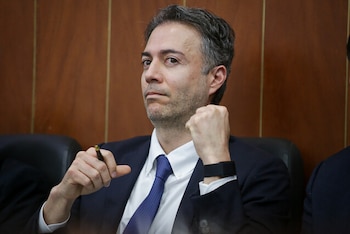
Daniel Quintero’s Controversial Position in the Historical Pact
Daniel Quintero, former mayor of Medellín and an aspiring candidate for the presidency in 2026, has publicly voiced his discontent with the political coalition known as the Historical Pact . In a recent message through his X (formerly Twitter) account, Quintero indicated that his role within this coalition, which played a vital role in Gustavo Petro’s election to the presidency in 2022, is currently uncertain.
Quintero articulated his concerns regarding the internal dynamics of the Historical Pact, asserting that several of his candidates have been excluded from the internal consultation process. He emphasized that a narrative is emerging, fueled by right-wing elements, aiming to marginalize his participation in the electoral contest.
Now you can follow us on
Facebook
and our
WhatsApp Channel
The former mayor raised alarms about the ideological shift within the coalition, highlighting an exclusivity that, in his view, may inadvertently pave the way for the right-wing to regain control. Quintero decried this internal strife as detrimental, suggesting it undermines key regional leadership and weakens efforts against criminal influences, subsequently diminishing the strength of emerging political projects.
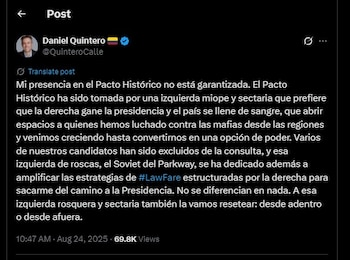
“My presence in the Historical Pact is not guaranteed. The Historical Pact has been taken by a myopic and sectarian left that seems more inclined to favor the right’s return to power, which can lead to more violence,” Quintero expressed through his social media platform.
Furthermore, he condemned the exclusion of various candidates from the historical pact’s consultation, blaming it on an exclusive leadership that operates within the coalition. Quintero asserted that right-wing forces are amplifying judicial strategies to hinder his presidential ambitions.
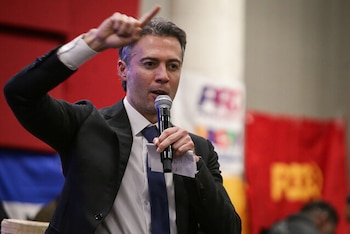
“Several of our candidates have been excluded from the consultation, and that left of threads, the Soviet of Parkway, has also dedicated itself to amplifying the strategies of #lawfare structured by the right to get me out of the way to the presidency,” he stated plainly.
Quintero emphasized that he perceives little distinction between the factions that are currently excluding him from the Historical Pact and his political opponents. He warned of the likelihood of changes in leadership within the coalition, asserting that none are differentiated in their tactics . “That left, which has become merely sectarian, will be reset from within or without,” he added.
Quintero’s involvement in the Historical Pact is contentious among coalition members. Critics highlight his tenure as mayor of Medellín, specifically concerns about the Aguas Vivas case , which has drawn legal scrutiny alongside allegations of corruption involving past officials in his administration.
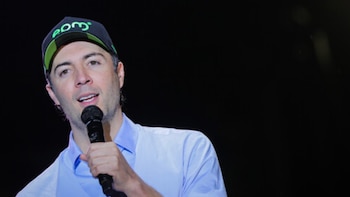
Former Environment Minister and fellow presidential candidate Susana Muhamad has voiced her reservations about Quintero’s participation in the historical pact consultation. According to her, Quintero belongs to a different political faction and should seek affiliation within a Broad Front . She further cautioned that it is counterproductive for the Historical Pact to endorse a candidate embroiled in corruption charges.
In light of these comments, Quintero retorted on X: “This candidate’s only aim is to fragment the pact. She betrayed Petro in the Council of Ministers and is now attempting to do so against those committed to unification as a path to victory.”
The list of presidential candidates within the Historical Pact has grown to nine, with the recent entry of Iván Cepeda. Other contenders include Carolina Cork, María José Pizarro, Gloria Flórez, Alí Bantú, and Gloria Inés Ramírez, all vying for the coalition’s nomination. The internal rifts within the historical pact emphasize the complexity of Colombian politics, as factions struggle to maintain a united front amid growing tensions and challenges.