
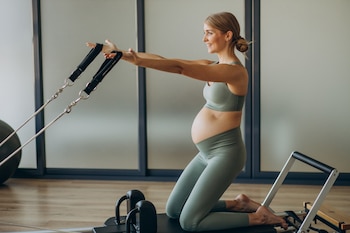
Physical exercise is always positive. Its beneficial effects are more than proven in both physical and mental health. However, pregnancy marks a moment in a woman’s life that often generates much discussion regarding what kind of physical activity is recommended. For many years, guidelines suggested that if a woman had been active prior to pregnancy, the best course was to continue her routine with necessary adjustments. Recently, specialists increasingly support the idea that starting a physical activity routine during pregnancy yields favorable impacts on the overall health of both the mother and the baby.
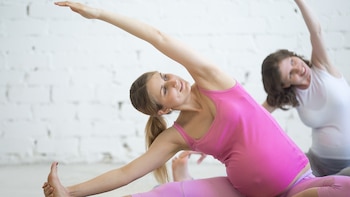
Pamela Nicotra , a gynecologist and obstetrician, explains that “there is evidence of maternal-fetal benefits when performing regulated and supervised physical activity during pregnancy.” These benefits include promoting babies with adequate birth weight and preventing fetal macrosomia. Nicotra also emphasized that “moderate aerobic exercise, conducted between two and seven times a week, can decrease systolic blood pressure by 5 to 15 mmHg.”
Claudia Lescano , a Physical Education professor and athletic training specialist, stated that pregnancy is a time to start training progressively and regularly. She stressed its positive effects on posture and musculoskeletal health: “It helps maintain good posture, avoid back pain, and strengthens muscle mass, ligaments, and tendons.” Soledad Santarelli , a kinesiologist specializing in postpartum conditions, echoed this sentiment, noting that exercise promotes a healthier pregnancy and ensures better postpartum outcomes: “Exercise is key to caring for the baby’s health.”
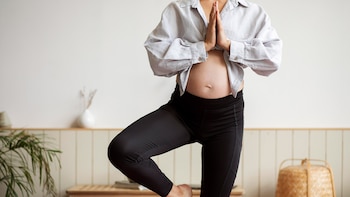
Sergio Pasqualini , director of the Halitus Medical Institute, highlighted that the best practices during pregnancy go beyond nutrition, emphasizing the importance of “physical exercise, stress management, and good sleep.” Physical activity greatly influences pregnancy due to hormonal and circulatory changes. Muscle cells release hormones called myokines that impact both the local muscles and distant sites, enhancing overall wellbeing.
During the first trimester, significant physiological changes occur that affect the development of the pregnancy. It’s during this stage that the risk of complications, like hypertension or preeclampsia , can be predicted. Physical exercise is one of the essential recommendations, with adjustments as necessary depending on medical assessments.
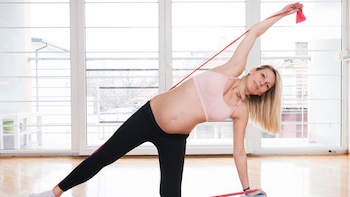
Regarding what type of exercises are suitable during pregnancy, experts stress the need for personalized, adaptable routines according to each trimester. Nicotra recommended aiming for 150 minutes of moderate exercise each week, or about 30 minutes five times a week . Ideal activities include walking, swimming, stationary cycling, aquatic aerobics, and even adapted yoga and pilates.
Sonia Marra , a physical education teacher specializing in functional training, argues for a gradual approach: “Training should commence gradually, especially if no prior physical activity was performed. Gradually incorporating strength exercises, stretching, and aerobic activities under professional supervision ensures safety.” Lescano adds that the first trimester should be about easing into the routine, while the second is a time to tap into stored energy; by the third trimester, it’s crucial to avoid high-intensity exercises.
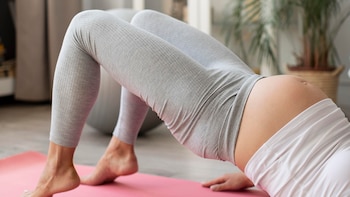
The experts also emphasized the importance of strengthening the Core , which encompasses the diaphragm, deep abdominal muscles, and pelvic floor, during pregnancy. This muscular group provides vital support and contributes to proper fetal positioning, simplifying childbirth. Furthermore, strengthening exercises can alleviate common third-trimester discomforts such as sacroiliac and lumbar pain.
Kegel exercises and adapted squats are recommended for strengthening the pelvic floor and preventing incontinence. Specialists caution against engaging in activities that may lead to trauma, such as contact sports and high-impact workouts, particularly from the second trimester onward.
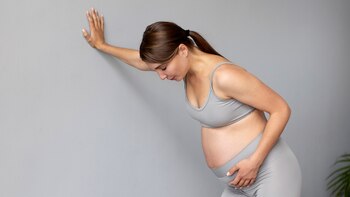
Professionals warn against extreme conditions like heat and dehydration during physical activities. When it comes to abdominal workouts, experts suggest proceeding with caution. Traditional crunches may place undue stress on the abdomen; hence, modifications are necessary as the pregnancy progresses.
Engaging in any physical activity should begin with a comprehensive medical consultation to evaluate individual conditions, including medical history and physical readiness. Monitoring the workout intensity through conversational tests or an effort scale can help maintain an appropriate exercise level.
Personalized training and professional guidance is crucial. Each woman’s journey through pregnancy is unique; thus, listening to one’s body becomes vital. In conclusion, integrating exercise into a healthy pregnancy not only enhances physical wellness but also positively influences emotional well-being, paving the way for a smoother postpartum experience.