
Recent Forest Fires in Extremadura: A Deep Dive
The summer months bring a heightened risk of wildfires across various regions, and Extremadura is no exception. Recently, the Infoex Plan has been instrumental in responding to an alarming 121 incidents that have unfolded over the past two weeks alone. Among these incidents, 43 are categorized as forest fires, a distressing figure that highlights the urgent need for fire prevention and management strategies.
Impact of Forest Fires
Out of the 43 fires that erupted, an extensive area of approximately 35,270 hectares has been devastated. The province of Badajoz has reported 25 fires, while Cáceres has seen 18. The data collected by the Board underlines the severity of this situation, revealing that several fires have reached catastrophic proportions, with eight fires alone exceeding 500 hectares each.
One of the most notable incidents is the fire in Llerena, Badajoz, which has affected about 5,900 hectares and is currently under control. Another significant fire occurred in Jarilla, Cáceres, which has compromised approximately 17,000 hectares of land. This fire is also stabilized, maintaining a level 1 operability status under the Infoex Plan, yet it underscores the vulnerability of the region’s ecosystems.
Weather Conditions and Fire Risk
The current weather forecasting indicates no significant changes. For the upcoming week, temperatures are expected to remain stable at around 36ºC. Meteorological predictions suggest scattered clouds on Tuesday, introducing minor fluctuations in temperature, but overall conditions remain conducive to wildfire risks.
The west winds, characterized as weak, contribute to the ongoing precarious situation. Local authorities responsible for the Forest Fire Prevention and Extinction Service persistently advise extreme precautions, especially regarding activities likely to spark fires in forest lands and adjoining areas.
Community Response and Preparedness
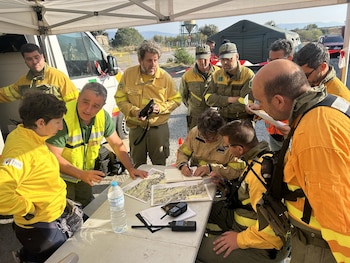
The response from local communities and fire services has been commendable. Emergency teams have mobilized resources effectively, but the community must remain vigilant. Awareness campaigns aimed at educating the public on fire safety measures have taken precedence as the risk of wildfires increases.
Local organizations are focusing on educating the public about the dangers of reckless behaviors that can ignite fires, such as campfires and discarded cigarette butts. The community’s role in this fight against forest fires is paramount as collective action can significantly mitigate risks.
Ecological Consequences of Wildfires
The ecological repercussions of such expansive wildfires are alarming. The destruction of vegetation not only leads to habitat loss for diverse animal species but also disrupts the ecosystem balance. Furthermore, the impact on soil quality can lead to longer-term environmental degradation.
Strategies for Prevention
Experts recommend several strategies for fire prevention. Increased surveillance in high-risk areas during the peak of summer is essential. Investing in firebreaks and controlled burns in advance can create barriers to wildfires spreading uncontrollably. The critical message is that proactive measures are necessary to protect both human lives and natural habitats.
Future Implications
As climate change continues to alter weather patterns, the frequency and intensity of forest fires are likely to escalate. Measures focusing on sustainability and restoration of affected areas will become increasingly important. Collaboration among governmental bodies, non-profit organizations, and local community groups can foster effective strategies for combatting this emerging threat.
Overall, the situation in Extremadura serves as a stark reminder of the fragile relationship between humans and nature. Increased attention to fire safety and ecosystem management is essential not only for immediate concerns but for the preservation of natural resources for future generations.