
The Complex Reality of Self-Defense in Argentina: A Closer Look
The theme of self-defense has increasingly become a contentious issue in Argentina, particularly highlighted by the recent film Homo Argentum. Within this narrative, the segment titled “Un hombre decidido” utilizes dark humor and poignant storytelling to explore the complexities surrounding the act of defending oneself amidst a backdrop of rising crime rates and escalating public fear.
The Justiciero Archetype
The character portrayed by Guillermo Francella embodies the quintessential “justiciero,” a vigilante responding to a neighborhood’s desperation for safety. Aníbal, the character, unabashedly declares his readiness to protect his home with lethal force, illustrating the mindset of individuals feeling cornered by societal chaos. “Pum, pum, pum,” he asserts, mimicking the sound of a gun, while issuing threats to potential intruders. His bravado, however, starkly contrasts with his actions when faced with an actual threat.
A Reality Check on Fear
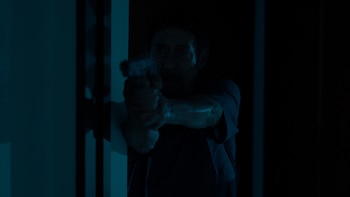
That very night, when two intruders invade his home, Aníbal’s resolve dissipates. Despite previously claiming he would defend his territory, he falters at the crucial moment, demonstrating a common struggle many face in life-or-death situations. The experience leaves his wife, Gladys, brutally assaulted while he cowers behind a wall. The portrayal of Aníbal encapsulates a bitter irony; those who profess the loudest about self-defense often freeze when faced with true danger.
Aníbal, en la penumbra, apunta contra los ladrones, pero no se anima a disparar (Foto/Cortesía Pampa films y Disney)
Legal Mystique Surrounding Self-Defense
The film draws parallels with real-life cases of individuals who’ve found themselves embroiled in legal dilemmas after resorting to lethal means for self-defense. The precedent cases of elderly citizens like Jorge Ríos, who faced potential homicide charges for defending his home, exemplify how the law interprets self-defense claims. According to lawyer Ariel Lis, while invoking self-defense can potentially lead to acquittal, it doesn’t exempt one from judicial scrutiny.
The Código Penal de la Nación articulates that legal self-defense necessitates a real, immediate threat and a proportional response. The question arises: how many can adequately assess these conditions in a moment of panic?
Statistics Speak Volumes
Increasing crime rates further underscore the urgency surrounding this debate. A recent report from the Ministry of Security highlights a staggering rise in reported crimes, with the province of Buenos Aires leading the statistics. An increase of 18% in reported crimes paints a dire picture—one where an average of 352 robberies are reported daily. This grim reality has heightened the public’s anxiety, driving many to explore self-defense options out of fear for their lives and homes.
Consequences of Vigilantism
The ramifications of taking justice into one’s hands cannot be understated. Many individuals who have acted out of fear have faced intensive legal repercussions, often spending years in court battling their cases. They are frequently portrayed as victims initially but must contend with the judicial system that scrutinizes their every decision. Don Jorge, a retired ironworker, serves as a critical reminder of how a moment’s decision can lead to a nightmare of legal battles, despite his ultimately justified actions.

El 13 de marzo de 2012, el periodista y conductor Baby Etchecopar fue salvajemente asaltado en su casa en San Isidro (Foto/Alejandro Beltrame)
Similarly, cases like that of Daniel Oyarzún, who fatally struck an assailant during a robbery, reveal the intricacies of lawful self-defense. He was acquitted following a popular jury trial, which left him free but facing emotional and financial turmoil. The cost of such incidents transcends the legal; it penetrates personal lives in immeasurable ways.
Emotional Toll and Social Implications
The emotional burden of taking life is further compounded by public scrutiny and stigma. Many who choose self-defense often grapple with feelings of guilt and trauma. In the eyes of society, actions intended for self-protection can brand individuals as aggressors rather than survivors.
In conclusion, while the legal framework for self-defense exists, the practical realities surrounding it cast doubt on the ease of invoking this right. The dichotomy between the instinct to protect and the subsequent judicious ramifications highlights a complex and fragile system. Those who opt for violence out of fear often find themselves trapped in a net of legal complexities, determining the fine line between heroism and vilification.