
Tattoos have evolved significantly in recent years, transitioning from a symbol of rebellion to a fashionable trend embraced by a diverse range of individuals. Prominent figures, including soccer players , influencers , and various everyday people, are now sporting intricate skin designs . This massive acceptance has led to an unprecedented tattoo boom, saturating countries like Spain with both studios and artists eager to cater to the demand. However, the tide seems to be turning; as this trend matures, many individuals are experiencing regret , prompting a rush towards tattoo removal treatments.
Regrets and Remorse are becoming more common as individuals decide to erase tattoos that once seemed appealing. According to a recent study by Lutronic PBS, 60% of people who get tattooed in Spain end up regretting their decisions. This statistic suggests that while tattoos may serve as an expressive form of art, they often come with the burden of remorse.
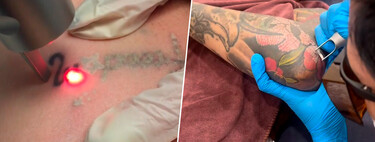
The challenge lies in removing tattoos , as the ink is embedded directly into the dermis layer of the skin , requiring aggressive treatment to eliminate it entirely. Many other treatments claim to work but often lead to discoloration or scarring , highlighting the urgency for individuals to rethink their decisions before opting for permanent body art.
With the rising demand for tattoo removal, there has been a notable increase in the number of professionals offering their services. In 2023 alone, there was a reported 30% rise in tattoo removal requests through laser techniques . It is essential to choose a reputable professional for such procedures, as the quality of care can significantly impact the final outcome.
The trend of tattoo removal is gaining popularity, reflected in social media trends such as #Tattoremoval, where users share before and after images of their treatments. Some tattoos are made spontaneously without careful consideration, leading to eventual regret.
The Dark Side of the Tattoo Industry has begun to surface as artists and clients alike grapple with the changing landscape. A report by a local publication reveals how the market has shifted dramatically. Raúl, a tattoo artist since 2001, shares that the equipment he once used, originally costing over 300 euros, is now available on platforms like Amazon for a fraction of the price, often including subpar quality materials.
This technological democratization has led to a saturation of the market. The National Union of Professional Tattoo Artists and Anillers (UNTAP) estimates that approximately 10,000 legal tattoo artists operate in Spain; however, there are likely double that number working informally from home. These “home tattoo artists” often advertise through platforms like Instagram and Facebook, directly competing with legally established shops, leading to a decline in demand for professional services.
The Gig Economy in Tattooing has led to other complications as well. Many artists work under precarious labor conditions , with some studios employing artists as ‘false freelancers’—those who work independently but depend on one primary payer, making them vulnerable. Emilio San Miguel, a labor lawyer, emphasizes that when a freelancer relies economically on a single client, they might not be classified correctly, further complicating their legal status.
As these financial struggles persist, a new business model has emerged where many salons are no longer owned by artists but by investors seeing tattoos merely as a business opportunity. According to Fidel Prieto, secretary of UNTAP, many of these new studios prioritize profit over artistic integrity, often hiring inexperienced artists who are willing to accept abusive conditions .

The Realities of Earnings in this trade are far from attractive. Tattoo artists can have a good month and gross about 3,000 euros , yet these earnings are highly variable, with some months seeing income drop to as low as 700 euros . Many artists express a longing for better working conditions, including fair pay and reasonable schedules.
The situation is becoming increasingly untenable, as practices such as ‘false hired’ contracts —which involve offering minimal hours while employees work significantly more—arise to lower social security costs. Such practices highlight the desperation within a fundamentally broken employment system.
Tattoos Have Potential Beyond Aesthetic Appeal. While tattoos remain a source of self-expression for many, scientific research suggests innovative possibilities for their use. Ongoing studies are exploring utilizing tattoos as systems for monitoring glucose levels or even as biosensors that analyze biochemical parameters with minimal invasiveness.
As the tattoo industry faces numerous challenges, the ongoing trend of regret and rising removal rates offer a stark contrast to the once-celebrated phenomenon of body art. Understanding the implications of getting a tattoo is essential for those considering joining this expressive yet complex world.