
Understanding the Rising Threat of Superbugs and Their Global Impact
We live surrounded by bacteria . Many of these microscopic organisms dwell within our bodies without causing any harm, while others pose a significant threat to our health. The most alarming among them are superbugs —bacteria that have developed a resistance to antibiotics . The World Health Organization (WHO) has categorized these bacteria as one of the greatest health threats of our time, but researchers have identified a potential method to combat them.
AMR —the acronym for Antimicrobial Resistance —emerged in the 1950s when antibiotics began to be used more widely. This concern has accelerated in the last few years due to the excessive and often inappropriate use of these medications. The sale of antibiotics without prescriptions has also contributed to this growing problem, allowing bacteria to evolve and become highly resistant to treatment.
These resistant bacteria are not confined to specific locations; rather, they travel globally through animal trade, food distribution, and air travel. Air pollution further promotes the spread of these harmful microorganisms. The impact of these superbugs is profound and far-reaching.
<img alt="We have a method capable of transforming plastics into paracetamol. It is called 'E. coli '" width="375" height="142" src="https://i.blogs.es/1a7924/corte-e-coli-paracetamol/375_142.jpeg"/>Impact : Common pathogens include Staphylococcus aureus , E. coli , Klebsiella pneumoniae , Acinetobacter baumannii , and multidrug-resistant tuberculosis. Current estimates suggest that these superbugs are responsible for over one million direct deaths annually. While this number may seem insignificant in the larger context of a global population exceeding 8 billion , projections indicate that annual deaths could increase to 39 million by 2050 as a consequence of these resistant strains.
Superbugs jeopardize transplant success, threaten food security, complicate medical treatments, and prolong hospital stays. According to projections, the economic burden may rise, leading to increased healthcare costs of approximately $160 billion annually by 2050.
The analysis : Air travel facilitates the dissemination of these resistant microorganisms, leading to contamination of new populations. This phenomenon was particularly evident during the COVID-19 pandemic . A recent study by the NASA Science Agency, in collaboration with multiple universities, explored how airplane wastewater can reveal important data about these superbugs.
The study focused on wastewater collected from the bathrooms of 44 international flights that arrived in Australia from nine different countries:
- 18 flights from India
- 14 from the United Kingdom
- Six from Germany
- The remaining flights came from: France, the United Arab Emirates, Turkey, South Africa, Japan, and Indonesia.
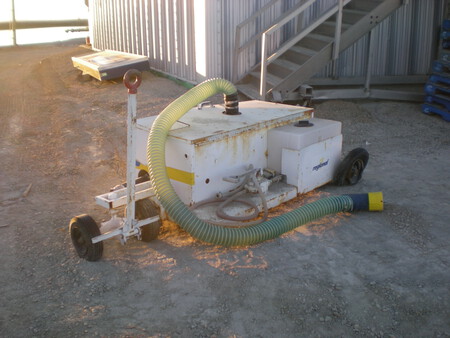
<span>Aircraft excrement extraction system</span>Differences : The researchers identified nine priority superbug pathogens , some exhibiting resistance to multiple drugs. Five of these were found in the wastewater from the analyzed flights, while a gene conferring resistance to last-resort antibiotics was detected in 17 of the flights . These findings underscore the seriousness of the threat posed by superbugs, particularly those resistant to the most powerful antibiotic treatments.
Nicholas Ashbolt, a microbiologist at the University of South Australia, noted that flights from Asia, particularly India, exhibited higher concentrations of antibiotic-resistant genes compared to flights from Europe and the United Kingdom. Yawen Liu, a researcher from the University of Xiamen, explained that these variations may reflect differences in antibiotic use, water quality, population density, and public health policies across regions.
<img alt="Streptococcus a, the 'cannibal bacteria' causing alarm in Japan" width="375" height="142" src="https://i.blogs.es/c713ad/corte-strep-edit/375_142.jpeg"/>Peanut : The significance of using aircraft toilets to monitor the spread of superbugs cannot be overstated. Warish Ahmed, the lead scientist at the University of South Australia, explained that the wastewater from planes captures microbial signatures of passengers from diverse continents, offering a useful and non-invasive method for tracking threats like AMR.
The study also aimed to determine whether disinfectants used in airplane bathrooms affect AMR. Results showed that nucleic acids remained stable for up to 24 hours , even when exposed to potent disinfectants. This suggests that analyzing airplane wastewater could become an invaluable tool for monitoring public health.
Critical : “Monitoring aircraft wastewater could complement existing public health systems, providing early alerts on the emerging threat of superbugs,” stated Ashbolt. The study highlights the potential for using airplane bathrooms as an early warning system for managing public health more effectively.
Reflecting on my numerous flights, I often hesitated to use the airplane restroom due to discomfort. However, I realize that using them could be beneficial for scientific monitoring. Moving forward, I will consider this aspect and contribute to the fight against superbugs.
Images | Cambridgebayweather, Wright
In Xataka | AI has opened a chest that had been closed almost 4 billion years: the salvation of antibiotics