
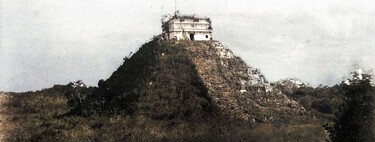
Mexico is a true treasure trove of pre-Hispanic artifacts. Remarkably, discoveries occur almost weekly, driven in part by significant projects like the Mayan Train initiative and advancements in technology. These modern tools have unearthed hidden pyramids , underground chambers, and provide fresh insights into ancient structures. Notably, some discoveries from previous years continue to hold immense value, exemplified by the treasure of Tomb 7 at Monte Albán , often dubbed “the richest treasure in America,” known for not merely the quantity but the exceptional state of preservation of its artifacts.
The excavation of Tomb 7 unveils a collection unlike any other, with findings dating back to January 1932 . Under the guidance of Dr. Alfonso Caso , this archaeological site revealed over 230 pieces crafted from sacred materials—gold, silver, obsidian, turquoise, and various precious stones. Apart from the luxurious artifacts, the site also contained utilitarian items made from bone and alabaster pots, showcasing a fascinating diversity.
The Mixteca Treasure of Tomb 7
The treasure encompasses remarkable craftsmanship that evokes a sense of awe. Numerous restoration efforts since the initial discovery, including significant works in 1944 and recent years, have been undertaken to ensure these artifacts are preserved and showcased accurately. The pieces originate from a union between a lord from the Zaachila dynasty and a Mixtec princess , occurring between 1200 and 1400 AD . This context provides a glimpse into the socio-political alliances of that period.
Specifically, researchers from INAH (National Institute of Anthropology and History) emphasize that this alliance involved “ Mr. 5 Flor ,” a representative of the Zaachila dynasty, and “ Mrs. 4 Rabbit ‘Quetzal’ ,” the princess of the Teoxacualco kingdom. It was within Tomb 7 that she chose to deposit sacred relics, such as ancestor effigies and exquisite objects, illustrating the latent power and wealth of the era.
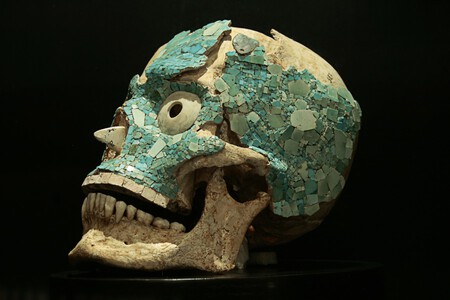
Skull decorated with turquoise mosaics and shells
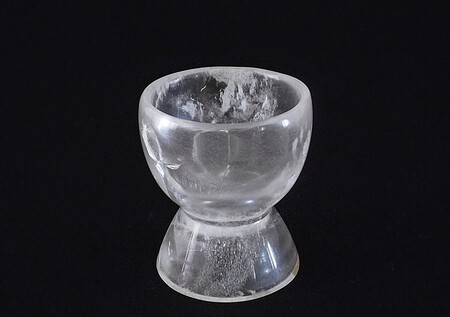
Rock glass artifact from Tomb 7
The magnificence of these findings showcases not only their historical significance but also the intricate artistry of their craftsmanship. Many artifacts required careful restoration to restore their original splendor, revealing their captivating details .
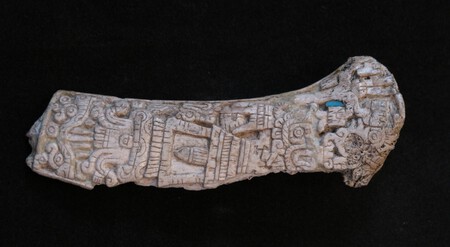
Intricate bone artifact with turquoise embedding
Moreover, these treasures reveal profound insights into ancient commercial networks and trade dynamics. The presence of materials sourced from far beyond Monte Albán speaks to a sophisticated system of exchange that thrived in Mesoamerica , underscoring the cultural richness prevalent during that period.
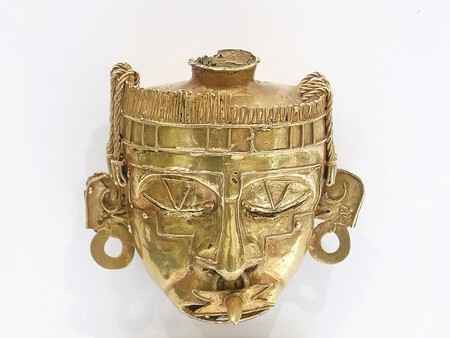
Mask representing the god Xipe Totec, crafted in gold
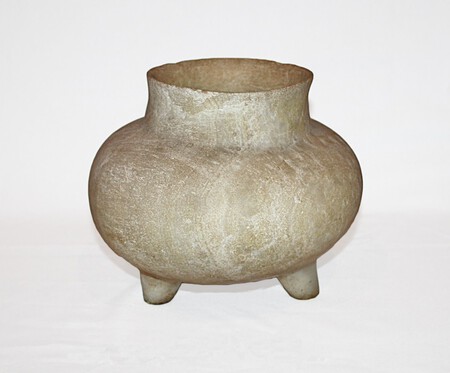
Alabaster pot showcasing fine craftsmanship
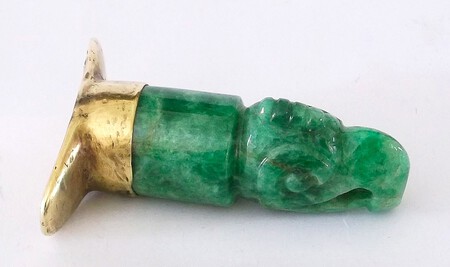
Bezote representing jade and gold craftsmanship
Among the treasures uncovered, the restoration of color and finish has allowed us to appreciate their splendor fully. The artifacts are on display in Room III of the Museum of Cultures of Oaxaca , where enthusiasts can witness firsthand the goldsmithing and artistry that characterized pre-Hispanic societies. This exhibition reveals that the materials used were vital to their cultural and economic systems, emphasizing the significance of trade networks in Mesoamerica.
As we continue to explore and study these ancient remnants, we gain deeper insight into Mexico’s rich cultural heritage, revealing the complexity and sophistication of past civilizations. These treasures are more than mere artifacts; they are a reflection of a time when art, culture, and commerce intricately intertwined, laying a robust foundation for the vibrant societies that followed. The preservation and appreciation of these artifacts not only honor their historical significance but also acknowledge the interconnectedness of ancient Mesoamerican cultures.
Images | INAH
*An earlier version of this article was published in August 2024.