
Recent Trends in Petroleum Prices Amid Ongoing Conflict
In recent weeks, petroleum prices have shown signs of recovery. The benchmark figures for Brent crude have increased by 2.7% , while the West Texas Intermediate saw a modest rise of 1.1% . This upward trend is largely linked to the ongoing turmoil related to the Russia-Ukraine conflict . The anticipation surrounding a potential peace agreement remains optimistic yet elusive , affecting market sentiment and discouraging any further sanctions against Moscow during this period of instability.
Remarkably, while prominent leaders like Vladimir Putin and Donald Trump met in Alaska, Ukrainian forces executed drone strikes targeting key Russian infrastructure, indicating that the battleground has now shifted to places where it inflicts maximum economic pain on Russia.
The Impact of Drone Strikes on Russian Oil Infrastructure
Escalating Fuel Prices have emerged as a significant issue in Russia, where wholesale gasoline prices have surged to unprecedented levels. Reports from the Financial Times reveal that the price for the commonly used A95 fuel has soared to 82,300 rubles per ton on the St. Petersburg Stock Exchange, marking a 55% increase since the beginning of the year. This steep climb is driven by two main factors: a seasonal increase in demand and the damage inflicted on Russian energy infrastructure due to Ukrainian drone attacks.
Public Consequences of the Conflict are becoming increasingly evident, with motorists in regions like Zabaikalsky, Crimea, and the Eastern territories experiencing significant fuel shortages. According to The Moscow Times , approximately 13% of Russia’s refining capacity has been lost since the start of August, primarily due to attacks that forced several refineries to shut down. In cities like Vladivostok, drivers report waiting for up to two hours to refuel, while many gas stations display “ out of service ” signs.
Historical Context of Fuel Rationing
Scarcity Echoes History. In some areas, mechanisms like fuel “coupons” have been introduced as a form of rationing. This approach brings back memories of the last years of the Soviet Union , highlighting the ever-present specter of fuel shortages. In Crimea, where supply cuts have been reported, regional leaders face mounting pressure to resolve these crises. Sergei Aksyonov, the region’s Kremlin-appointed chief, has openly acknowledged the supply interruptions and urged the public to be patient until the conflict’s resolution.
A Declared Offensive on Oil Infrastructure
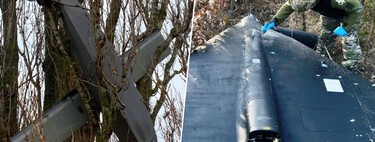
As reported by El País , Ukrainian forces have recently intensified their offensive against Russian oil assets, launching drone strikes that reach far beyond the frontlines. The drones have targeted facilities, such as a Lukoil installation in Komi , located over 2,000 kilometers from the front. Such operational reach has disrupted the production lines of Russian oil companies, further exacerbating the situation.
The frequency and coordination of these attacks are increasing, signaling a shift in warfare tactics. The Financial Times underscores that unlike earlier in the year—when damage was quickly repaired—the current strategy aims to render multiple facilities inoperable for extended periods. This not only aims to demonstrate Russia’s vulnerabilities but also affects its primary income source: hydrocarbons.
The Drone Warfare Landscape
The Weaponization of Drones has become a focal point of Ukraine’s military strategy, harnessing swarms of low-cost drones manufactured en masse. Reports indicate that Ukraine produced 2.2 million drones in 2024 alone, aiming to double that figure by next year. The operational environment reflects a chaotic electronic battlefield, where up to 60 drones can operate simultaneously, occasionally interfering with each other and confusing operators. Despite these challenges, Ukraine’s message remains clear: drones enable strategic strikes far beyond the frontlines, gradually eroding the economic capabilities of Russia.
Future Price Predictions for Fuel
Analysts anticipate that gasoline prices in Russia will remain elevated at least until September, as reported by the Financial Times . While a nationwide crisis is not expected—due to seasonal demand fluctuations and the potential for some recovery in damaged capacities—hopes remain dim for remote regions. In light of this, Moscow may have to rely on imports from Belarus to scarify part of the deficit. However, Ukraine appears steadfast in maintaining its offensive, signaling that the battle for oil control is far from over.
Political and Economic Lessons
This ongoing conflict illustrates two significant trends: the war is not only a military confrontation but also serves as a laboratory for military innovation , where new technologies like drones and electronic warfare strategies are being tested. Concurrently, the rollout of fuel rationing in Russia evokes somber memories of Soviet-era scarcity, underscoring how deeply entrenched war costs can permeate daily life.
Finally, the Ukraine conflict is expanding beyond traditional combat zones . The “front” now includes the long queues at Russian gas stations, reflecting the broader societal implications of sustained conflicts. Historical precedence suggests that shortages can fuel discontent stronger than any military strike, revealing vulnerabilities within the Kremlin as it grapples not only with military objectives but also the welfare of its citizens.
As the situation evolves, it is apparent that the costs of this war are no longer confined to the battlefield; they reach deep into the personal lives of the Russian populace, creating a complex and troubling scenario that could influence the future course of the conflict.
Image | Unsplash and National Police of Ukraine