

The Controversial Journey of Xava Drago on La Voz México
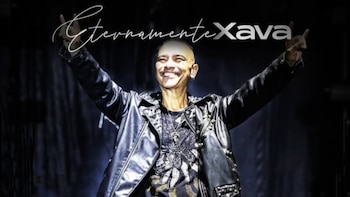
The reality show La Voz México witnessed one of its most memorable moments in 2014 when Xava Drago, known as the lead vocalist of the rock band Coda, stepped onto the stage. During the blind auditions of the show’s fourth season, he performed the haunting ballad “Still.” Despite his powerful rendition, not a single judge turned their chair, leading to heated discussions about the show’s dynamics and the treatment of seasoned musicians.
Xava’s experience was particularly significant, not only for him but also for the audience that recognized his talent immediately. Among the judges was Ricky Martin, who expressed admiration for Xava’s voice, but this acknowledgment was unable to sway the other judges into selecting him. The fallout from this episode raised numerous questions about the standards and practices of talent competitions.
The Background: A Familiar Face
Xava shared a backstory that made his participation even more interesting. He recounted how he had previously crossed paths with Ricky Martin during their days at Sony Music. In an interview, he humorously stated, “That was very funny because I met Ricky Martin from Sony’s time. When he was promoting ‘night fire, snow from day,’ we knew who everyone was.”
At the time of his participation, Xava was attempting to revive Coda while also promoting his solo career. The show’s producers approached him with a plan: to introduce a seasoned vocalist into the competition to balance out relatively inexperienced participants. They promised him a significant presence in the show, stating he would make it to the final round but would not win. “They offered me seven programs, saying, You will get to the final, but you will not win,” he recalled.
Artistic Control and Contract Controversies
An essential aspect of Xava’s participation was the drastic changes to his musical arrangement. He divulged that the production team insisted on accelerating the tempo of “Still,” and rejected any other song suggestions he had made. “It was an arrangement that I didn’t find. I proposed another song, and they told me no, that I was planned,” he recounted. This imposed limitation severely hampered his performance.
Moreover, the contract he was offered raised eyebrows. He shared that he was only allowed to participate after signing a deal that stipulated he would yield a staggering 75% of his income for five years should he experience a career boost post-show. This included image rights, live performances, merchandise sales, and compositions. Faced with such restrictive conditions, Xava opted to walk away from the deal, returning to his existing career plans instead.
Aftermath and Reflections
The outcome of Xava Drago’s participation in La Voz México was scrutinized closely by fans and critics alike. Despite the audience’s enthusiastic applause and the acknowledgment from the judges, they ultimately refrained from selecting him. Xava later revealed that the judges had prior knowledge of his identity and were instructed not to choose him for not signing the contract. This revelation caused quite a stir among music enthusiasts and sparked debates over the ethics of reality television.
In subsequent years, Xava provided further insights into his experiences through various platforms like the podcast Black Passion. He maintained that he never paid for his position on the show and elaborated on the series of decisions leading to his controversial exit. Xava’s story highlights the complex dynamics of talent shows and raises important questions about artistic integrity and the treatment of artists in competitive environments.
Xava Drago’s journey serves as a reminder of the industry challenges musicians often face in pursuing their dreams. The mix of talent, opportunity, and contractual obligations creates a complex landscape that artists must navigate carefully.