
The Civil Defense sector is becoming increasingly critical in ensuring the safety of citizens across Europe, especially as the continent faces various climatic, health, and humanitarian emergencies. However, the governance structures overseeing civil defense vary significantly from country to country.
For instance, in countries like Spain and Greece , civil protection management often falls into the hands of political figures who may lack direct experience in emergency situations. In contrast, nations such as France , Italy , and Germany prioritize appointing highly qualified experts with solid technical backgrounds in crisis management. This distinction is crucial, as it reflects how each country perceives the necessity of specialized skills in effective crisis responses.
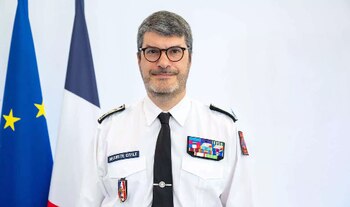
In France , the General Directorate of Civil Security and Crisis Management (DGSCGC) enjoys a strong reputation, built over decades of expertise. Since July 2023, Julien Marion has led this agency. He brings a wealth of experience from diverse roles in territorial administration and emergency management, including serving as a Secretary of Prefectures and Chief of Cabinet at the Interior Ministry. The DGSCGC operates under the Ministry of Interior but maintains its civic prestige and avoids political entanglements. In a forward-looking statement in 2024, Marion emphasized the need for integrating new technical professions in order to enhance responses to civil security demands.
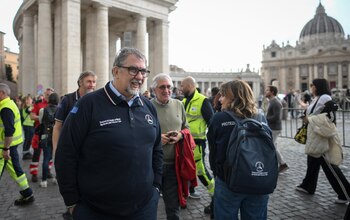
Italy’s approach reflects a similar commitment to professionalization in civil protection. The Directorate of Civil Protection is a matter of state and is consistently led by experts. Fabio Ciciliano , who took office in 2024, is a State Police doctor with significant experience in high-profile crises such as the death of Pope John Paul II and the major earthquakes in L’Aquila and Emilia-Romagna. This centralized agency operates under the authority of the Prime Minister, ensuring rapid decision-making and autonomy across various emergency scenarios.
In Germany , the Federal Office of Civil Protection and Disaster Assistance (BBK) has been under the leadership of Ralph Tiesler since June 2022. Tiesler, a lawyer with three decades of emergency management experience, has coordinated various international missions since the early 1990s. His extensive background includes heading the BBK’s crisis management department and directing operations during critical situations, such as the 2015-2016 immigration crisis.
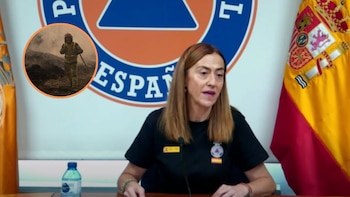
Conversely, in Spain , the leadership of the civil protection unit has come under scrutiny due to its political affiliations. Virginia Barcones , the current Director General of Civil Protection and Emergencies, holds a law degree and is associated with the PSOE, Spain’s ruling party. Critics argue that her political background raises concerns about the effectiveness of civil protection strategies in an era increasingly plagued by emergencies.
In conclusion, the differing approaches taken by these European countries highlight an essential aspect of civil protection: recognizing it as a technical and strategic issue rather than a mere political appointment. While political landscapes may change, the demand for effective emergency management remains constant, underscoring the need for well-trained and experienced leadership in this vital area.