

In recent years, the Spanish tourism sector has been fixated on one particular *figure*: 100 million . This number signifies not just a milestone but also reflects the obsessions , objectives , and the overall trajectory the industry has taken in its quest for global prominence. In 2024, Spain came very close to that ambitious target with almost 94 million foreign travelers, representing a 10.1% increase from 2023. Experts are optimistic, predicting that 2025 may finally witness this landmark achievement.
The pressing question remains: What does this number truly signify for Spain’s tourism?
To many, 100 million is more than just a statistic; it symbolizes the industry’s relentless pursuit of growth and prosperity. According to official sources, Spain welcomed 93.8 million tourists in 2024, a substantial jump from previous years. Various commentators have ventured theories—both supportive and skeptical—regarding whether the magic three-digit number is achievable in 2025.
Is it feasible? The question looms large as summer approaches. Many industry analysts assert that reaching 100 million is plausible, provided the positive trend continues without unexpected setbacks. Still, a different camp believes that Spain may fall short, estimating visitor numbers around 98 million for 2025, presenting a more moderate yet still impressive outlook.
Another crucial metric is a 4.7% increase in tourism flow for the first half of 2025, which indicates a rising interest among travelers. Reports reveal that 44.5 million tourists visited Spain between January and June, a promising sign for the country’s tourism ambitions.
However, optimism should be tempered with caution. Recent statistics indicate a slowdown in international tourist arrivals, which raises questions about the sustainability of growth rates. Analyzed data reflects early months of 2025 showed a decline in growth from 3.8% to 1.5% , emphasizing the importance of remaining alert to market shifts.
“The power of round numbers” has been a subject of discussion, especially by industry veterans. Recent columns have raised alarm over the obsession with 100 million tourists, suggesting that focusing solely on this figure may overlook other essential indicators such as spending patterns , average stay duration, and local demand. Experts argue that the quality of tourism is just as important, if not more so, than the sheer number of visitors annually.
Despite the significance of numbers, reaching 100 million tourists merely symbolizes broader industry trends. The sector grapples with hyper-masification , leading to a more pressing conversation about sustainability and the challenges that accompany such a high visitor count. Recent protests across regions like Catalonia , Balearic Islands , and Canary Islands have highlighted these issues, pushing for policies that foster a more sustainable economic model.
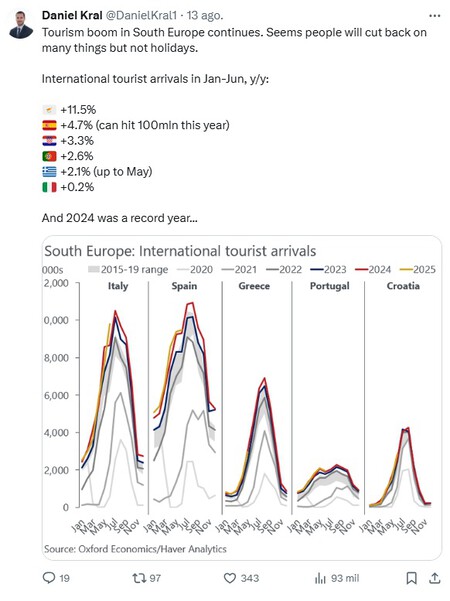
Click on the image to view the Tweet.
Looking deeper into the data, the challenges become clearer. Rising prices in hotels and flights have made domestic travel less appealing for local residents. Reports indicate that in recent years, it has often been cheaper for Spaniards to vacation abroad than at home, suggesting a troubling trend where locals prefer international destinations over their own.
The INE’s statistics reveal crucial insights into this shift. While international tourist arrivals surged to 93.8 million in 2024, the number of domestic trips taken by Spaniards decreased by 0.8%. A more profound concern is the increase— 12.1% —in trips taken abroad by Spanish nationals, reflecting a preference shift towards foreign destinations.
Are there more indicators? Yes, there are. Data shows that while foreign demand in hotels is growing significantly—often dominated by international travelers—domestic demand remains subdued. Hotel occupancy for foreign guests rose by 7.43% , whereas locals barely increased by a mere 0.33% . This disconnect raises essential questions about the future trajectory of tourism in Spain, particularly in how it balances appeals to both local and international visitors.

Ultimately, while the ambition of achieving 100 million tourists is an important target for Spain, it opens the door to a myriad of challenges concerning sustainability, pricing, and visitor experience. Increasing visitor numbers should not compromise the quality of tourism but rather foster an environment where both locals and tourists can enjoy what Spain uniquely offers. The focus must shift from quantity to quality—ensuring the celebration of both the destination and its culture thrives amidst increasing global interest.