
Texas Electoral Map Controversy: New Districting and Its Implications
The Chamber of Representatives of the State of Texas has recently approved a controversial electoral map that could enhance the Republican party’s presence in the 2026 elections. The bill, which seeks to gain up to five additional seats , has already passed the lower house with a vote of 88 in favor and 52 against. It is now set to be sent to the Senate for final approval.
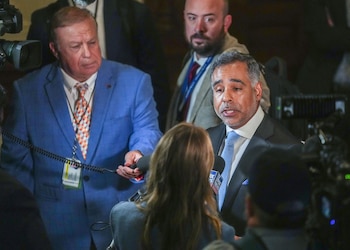
This significant change comes on the heels of a turbulent political landscape, highlighted by the recent return of Democratic lawmakers who had temporarily left the state to protest what they termed a “corrupt” voting process. Gene Wu , the leader of the Democratic faction, has voiced strong objections, claiming that the map is laden with manipulation. “They may not see the manipulation of electoral districts… But I hope they see lies, deception, and robbery,” Wu stated as he criticized the efforts of the Texas Republican Party and likened it to tactics used by political figures such as Donald Trump .
The Democratic lawmakers’ strategy to leave Texas aimed to deny the necessary quorum for the vote on the new map. However, their return, under the watch of a National Security official, ensured that the chamber had sufficient members present. This move reflects the tense environment surrounding the voting process, underscoring the degree of contention surrounding electoral boundaries in Texas.
The Impact of Redistricting on Texas Politics
The recent approval of the electoral map has raised substantial concerns regarding gerrymandering , the practice of drawing political boundaries in a way that gives one party an advantage over others. Critics argue that the proposed district changes have been crafted with surgical precision to benefit Republican candidates, particularly in areas where they have historically performed poorly.
According to the approved plan, several districts will undergo reshaping, with some areas being consolidated while others are expanded. This is expected to create a favorable landscape for Republican candidates in the upcoming elections. By drawing the lines in this manner, the party aims to maximize their electoral gains, potentially sidelining many Democratic voters who could have had a stronger voice in the electoral process.
Legal Challenges and Democratic Resistance
In response to the passage of the new map, Democratic lawmakers have already vowed to challenge the decision in court, aiming to overturn what they perceive as an unfair and undemocratic redistricting process. This legal battle will likely draw significant attention, as the outcomes could set critical precedents for future electoral maps not only in Texas but also across the nation.
The passage of this map is seen as part of a larger strategy by the Republican party to solidify their hold on Texas politics during a time of increasing demographic shifts in the state. With a rapidly diversifying population, the dynamics of voting in Texas are changing, making the importance of fair representation more vital than ever.
The Role of Outside Influences in Texas Politics
The situation in Texas is further complicated by the involvement of external organizations and groups that advocate for specific legislative agendas. These entities often seek to influence lawmakers and create a climate conducive to their goals. In this case, there are fears that outside interests may further exacerbate partisan divides, making it increasingly challenging for legislators to work across the aisle .
As the 2026 elections approach, the implications of the approved electoral map will become clearer. Will Texas continue to be a battleground state where both parties vie for control, or will the new redistricting effectively cement Republican dominance? The debates, legal challenges, and public outcry surrounding this issue will likely shape Texas’s political landscape for years to come.
The green light for this electoral map has ignited serious political friction within Texas. As both parties gear up for what promises to be a contentious battle over the electoral landscapes, the ramifications of this decision could have lasting effects—not only on Texas itself but also on national politics. The quest for fair representation and the fight against gerrymandering will undoubtedly be at the forefront of political discourse in the upcoming years.