
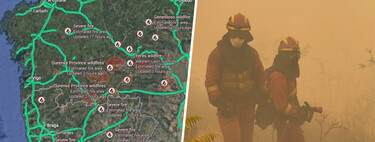
The recent wildfires in Spain, particularly in regions like León , Ourense , and Zamora , have caused devastating destruction to extensive areas of land. However, the aftermath extends beyond just environmental damage; it has ignited a political debate fueled by misinformation on social media. This echoes the situation from 2022 , when Spain faced similar fire outbreaks. As these fires rage on, a pivotal conversation has emerged in various forums like X and Reddit : “Can the countryside in Spain be effectively managed to prevent these disasters?”
Understanding the context behind this question requires examining several key factors.
What Happened?
The escalating wildfires have not only decimated land but also led to evacuations and an alarming death toll . These incidents have sparked a renewed discussion about whether it is prohibited for locals to “clean” the mountains and fields in Spain. Does legislation impose restrictions on farmers or residents wishing to manage their lands? If so, could this be a factor contributing to the fires’ rapid spread ?
Why Is This News?
The questions posed are not entirely new but have gained momentum due to a recent video posted by El País on X, which amassed over 3.2 million views within 24 hours. The footage features residents of Riaño using traditional tools like rakes and axes to clear underbrush along a roadway, raising two significant questions: Why are they undertaking this task? Are they at risk of being penalized for doing so?
<img alt="A map indicating fire zones in Spain." width="375" height="142" src="https://i.blogs.es/1e10ff/bomberosmapa/375_142.jpeg"/>What Does the Law Say?
In the context of Riaño, the ownership of the land heavily influences the situation. However, in general, Spanish legislation does not prohibit forest conservation. The Law 43/2003 aims to promote “sustainable management of mountains,” placing the responsibility on the landowners for effective maintenance. When it comes to public utility forest areas, owners are mandated to implement measures to minimize risks such as erosion , fire , or natural disasters like floods and storms.
Specifically, Article 48 of the mountain law emphasizes that preventive measures for fire management must be conducted year-round, highlighting the importance of “silvicultural treatments, firewood management, access pathways, and water points.”
Is There More?
Yes, regional laws also play a significant role in fire management. For example, Galicia —one of the most affected regions—has its own fire regulations under Law 3/2007 , mandating that forest landowners maintain their properties to mitigate fire risks, particularly within 50-meter zones near urban areas and critical infrastructure. Failure to comply can lead to fines.
<img alt="Forest in Soria, one of the largest in Spain." width="375" height="142" src="https://i.blogs.es/fb760d/portadasuertes/375_142.jpeg"/>And the 2030 Agenda?
Some have claimed that the UN 2030 Agenda prohibits mountain clearing, a false statement as confirmed by Verifartve . The 2030 Agenda serves as a framework to guide sustainable development but does not establish any legal prohibitions. It outlines goals rather than concrete laws regarding land management.
Local laws provide guidelines for land clearing and maintenance, but restrictions often come into play depending on the specific area or season. María Colmena from WWF recently noted that while there are cases requiring authorization, generally, individuals are permitted to maintain their lands.
How Are Fires Explained?
Understanding the escalation of these wildfires involves analyzing various meteorological , social , and environmental factors . Inadequate forest management paired with rural depopulation contributes to this growing crisis. The abandonment of agricultural practices has led to overgrown lands that are far more susceptible to catching fire.
As highlighted by WWF, rural depopulation, decreased economic viability, and the decline of traditional land use methods pose significant risks. An estimated 2.3 million hectares now lie abandoned, creating landscapes that are much easier to ignite.
In summary, the ongoing fires in Spain are not just a local issue affecting landscapes and communities; they also bring to light the intricate web of laws, responsibilities, and social dynamics underpinning effective land management. As the discourse continues, it becomes evident that a comprehensive approach is essential to prevent future tragedies.