
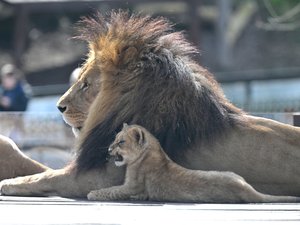
While some zoos face criticism for their treatment of animals, a groundbreaking initiative is set to emerge in Belgium. In September, a pioneering “zoo without animals” will open its doors in Brussels , thanks to the efforts of the Gaia association . This unique facility aims to spark conversations about animal welfare using cutting-edge technology.
The initiative, which runs from September 9 to December 30, 2025 , will take place at the Tour & Taxis Maritime Gare . The goal is succinctly stated by Ann de Greef, director of Gaia: *”To encourage visitors to question the current treatment of wild animals that have no freedom.”* This thought-provoking experience invites guests to rethink their perceptions of wildlife and conservation efforts.
Technology at the Service of the Future Zoo
At this innovative venue, guests will have the opportunity to interact with virtual reality (VR) and augmented reality (AR) to experience wildlife like never before. Visitors will be transported to three unique habitats: a lush jungle, the icy expanses of Antarctica, and the sunlit savannah. Instead of observing traditional zoo exhibits, guests will don VR headsets to immerse themselves in these environments.
The vision for the ‘zoo of the future’ strives to allow every participant to connect more closely with animals than traditional settings allow. VR technology will provide an experience that is not just observational; it promises to engage users in interactive learning about wildlife.
“A Bridge Between Humans and Animals”
According to Andy van den Broeck, CEO of Realitymatters—the start-up behind this innovative project—*“Technology is not an end in itself. It is a bridge between humans and animals. For the first time, we can not only observe but also live an experience.”* This perspective is crucial for understanding the mission of the zoo.
In addition to the immersive habitats, visitors will engage with puzzles, missions, and challenges centered around wildlife. The interactive elements are designed to make participants feel as though they are walking alongside animals, further enhancing the educational aspect of the experience. Van den Broeck emphasizes a commitment to push the boundaries of traditional zoos, heralding a new era of digital zoos .
A visit to this innovative facility not only provides simulated encounters with magnificent creatures but also stirs critical dialogue surrounding the ethics of keeping wild animals in captivity. One of the primary goals of the Gaia association is to promote a better understanding of animal rights and welfare.
This initiative aligns with a broader global trend of reconsidering how humans interact with wildlife and is particularly relevant given ongoing discussions about the ethical treatment of animals in traditional settings. The aim is to foster a more profound sense of responsibility towards our planet and its inhabitants.
In conclusion, the upcoming animal-free zoo in Brussels represents a significant step toward using technology for education and conservation. Visitors will have the chance not only to witness wildlife but to engage in meaningful experiences that challenge the norms of traditional zoos. With an emphasis on ethical discussions and interactive learning, this project is poised to redefine how we perceive and interact with the animal kingdom.