
Japan’s Tourism Surge: A Double-Edged Sword
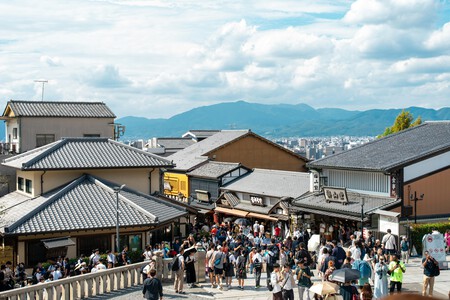
Japan is witnessing an unprecedented influx of tourists, with a staggering 21.5 million foreign visitors reported in the first half of 2024. This marks an impressive 21% increase compared to the same period last year. While this surge brings economic benefits, it also raises significant concerns about overcrowding in the nation’s most popular destinations. The troubling implications of this tourist wave have ignited political debates, notably contributing to the rise of the extreme-right party, Sanseitō, which gained traction in the July elections with the slogan “Japan First.”
In response to the growing dilemma faced by locals and tourists alike, some have proposed innovative solutions, such as giving away free flights to international visitors.
Japan Airlines Steps In
What happened? Japan Airlines (JAL), one of the country’s leading airlines , has launched a bold initiative aimed at alleviating the pressure on crowded destinations . Their plan? Offer complimentary domestic flights to international tourists. This unique strategy encourages visitors to venture beyond the typical hotspots like Tokyo and Osaka, inviting them to explore lesser-known yet equally captivating locations such as Sapporo, Naha, and Hakuba.
What do they propose? Interestingly, this initiative is not entirely new. The idea was first reported by Aviation Wire in October 2024, but has gained renewed interest as tourism has surged. Major media outlets like Soranews24 and Time Out have recently spotlighted this campaign.
What are your details? The campaign entails free national flights for foreign tourists, but there are conditions. Not all international visitors are eligible; only travelers from selected countries such as the United States, Canada, China, India, Australia, New Zealand, Taiwan, Vietnam, and the Philippines can participate. Furthermore, travelers must first book a round-trip international flight to Japan.
Once in Japan, these tourists can apply for one of the national flights included in JAL’s promotion. However, additional fees may apply; for example, visitors from the U.S., Canada, Mexico, or China who stay over 24 hours in the landing city (usually Tokyo) will incur a fee of approximately $100 .
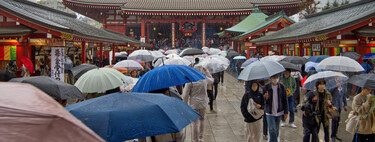
Why is it important? The significance of this campaign extends beyond the logistical details; it highlights Japan’s proactive approach to managing the burgeoning influx of tourists, which could overwhelm popular sites. The endorsement from Japan Airlines —a key player in the industry—lends credibility to the initiative, emphasizing the airline’s extensive network of 133 domestic routes and 66 international connections, all aimed at promoting travel beyond the tourist hotspots.
By capitalizing on this network, JAL aims to encourage tourists to uncover hidden gems across Japan, such as Niseko’s ski slopes or Okinawa’s beautiful reefs, amidst growing concerns over the accessibility of some areas due to overcrowding. Additionally, the substantial price increase for the Japan Rail Pass has made air travel more attractive for certain routes.
The Tourist Boom: Implications and Reactions
The influx of visitors correlates with Japan’s record-breaking statistics, having welcomed 21.5 million tourists in the first half of 2024. This impressive figure reflects a significant growing trend, increasing by 21% compared to the same period in 2023. However, this proliferation hasn’t come without challenges; the saturation of cities like Tokyo and Kyoto has intensified discussions, leading to measures such as entry fees for attractions like Mount Fuji .
Many local residents express frustration with the impact of tourism on their day-to-day lives, which has spurred far-right sentiments and contributed to the gaining political power of parties like Sanseitō, advocating for more restrictive tourism policies. This begs the question: is offering assistance, like free flights, an effective strategy to manage the overwhelming demand for tourism in Japan?
Preliminary assessments suggest that the campaign’s effectiveness may be limited; JAL acknowledges challenges in tours not matching up with tourist schedules and communication issues. Such hurdles can discourage tourists from exploring beyond familiar attractions and engaging in Japan’s diverse cultural and natural offerings.
The surge in tourism presents a fascinating juxtaposition: while it boosts the economy, it places immense pressure on essential local resources, infrastructures, and social dynamics. As Japan grapples with these complexities, strategies aiming to manage tourism sustainably could pave the way for a more balanced approach to internationally revered destinations.
Images | Matt Cramblett (UNSPLASH), Nomadic Julien (UNSPLASH)