
Buying a Robot: The Future of Retail
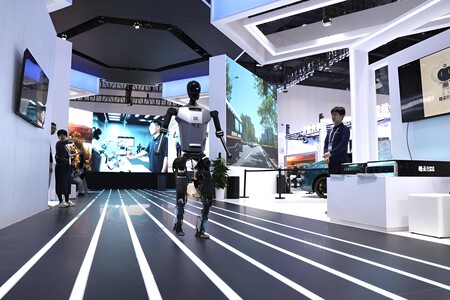
Imagine a future where purchasing a robot feels as commonplace as buying a car. This is becoming a reality in Beijing with the advent of the “Robot Mall,” a groundbreaking concept that merges humanoid technology with retail. This megastore is positioned as the first 4S (Sales, Spare Parts, Service, and Survey) venue dedicated to humanoid robotics, allowing consumers to not only buy robots but also understand their upkeep and maintenance under one roof. The ambition is to turn curiosity into informed purchase decisions while offering a comprehensive customer experience.
The Significance of the 4S Model
The term 4S traditionally relates to automotive sales in China, addressing a fundamental consumer need. What if you could buy and maintain your car in the same place? This model is now being innovatively adapted for robotics. At the Robot Mall, customers can explore what robots do, their costs, and how they are maintained, thus creating a seamless experience from inquiry to purchase.
The Robot Mall launched in Yizhuang, Beijing’s E-Town district, on August 8, coinciding with the World Robot Conference. Spanning four floors and approximately 4,000 square meters, it serves as a hub for technological innovation.
Spacious Showcase of Innovation
The ground floor features immersive demonstrations highlighting practical applications in industries such as healthcare and manufacturing. Visitors can check out advanced humanoids like Unitree G1, Ubtech Walker S, and Tiangong. The second floor invites interaction, showcasing brain-machine interfaces, robotic arms, and participatory exhibits. The third floor specializes in diagnosis, component replacement, and remote maintenance, while the top floor is designed for B2B negotiations in dedicated meeting rooms.
The Robot Mall presents a wide array of categories, including medical, industrial, bionic, biped, integrated, and wheeled robots. Among the exciting demonstrations are a robotic dog in a lion suit, a humanoid dispensing traditional Chinese medicine , robotic arms that paint, and machines that prepare coffee or serve drinks. These exhibits not only display the capabilities of this technology but also illustrate the journey ahead for robotics innovation.
The Purchase Experience
Though not every robot is ready for immediate home or factory use, many are available for purchase or hire. Prices begin around 260 euros (2,000 yuan), targeting simpler models for educational or organizational purposes, while high-end robots can cost several million yuan, translating to hundreds of thousands of euros. Typically, the purchase includes installation, training, and ongoing technical support.
In this 4S model, the final “S” stands for Survey, indicating an emphasis on collecting customer feedback post-purchase. At the Robot Mall, this involves regular check-ups, remote diagnosis, and technical assistance, allowing manufacturers to gather critical data on how robots are utilized, thereby refining their technology for future improvements.
The Timing of Innovation
As of 2024, China is projected to produce 556,000 industrial robots and holds two-thirds of the world’s robotics patents, according to Xinhua. This exponential growth underscores the importance of Robot Mall’s opening, aligning with China’s strategy to transition humanoids from lab environments into everyday settings. In Yizhuang, the robotics sector already generates over 10 billion yuan in annual output, reinforcing the need for public engagement in this burgeoning technology.
Future Developments
Robot Mall is not a static entity; plans are in motion for a 2.0 version in November 2025, promising a wider variety of robots and more realistic use cases. The intention is to enhance demonstrations and increase the number of manufacturers featured, solidifying Yizhuang as a central player in global robotics innovation.
<!— BREAK 7 –>
The unveiling of the Robot Mall signifies a transformative moment in consumer robotics. It not only suggests that machines can become integral parts of our homes and workplaces but also emphasizes the importance of hands-on experience and customer feedback in shaping future innovations. As society continues to navigate the evolving landscape of technology, venues like the Robot Mall will play a critical role in bridging the gap between curiosity and practical use.