
Every year, millions of beachgoers indulge in the simple pleasure of collecting shells and other coastal treasures. What seems like a harmless souvenir may actually catalyze ecological damage . As we delve deeper into the practices surrounding beachcombing, we confront the consequences of removing shells from their natural habitats.
Many people might think that picking up a shell or two from the beach is inconsequential. However, as this small act is multiplied across countless visitors, the cumulative impact becomes alarming. Research shows that an estimated 10 billion beach visits occur annually, with even a small percentage of visitors pocketing shells leading to a staggering amount being removed each year, potentially 10,000 tons or more.
According to Michał Kowalewski , a prominent researcher from Florida, this practice is not just a minor nuisance ; it poses a significant threat to local ecosystems. One in every hundred visitors collecting just a few shells translates into an enormous loss when scaled up; this isn’t just about personal mementos but about disrupting marine ecosystems .
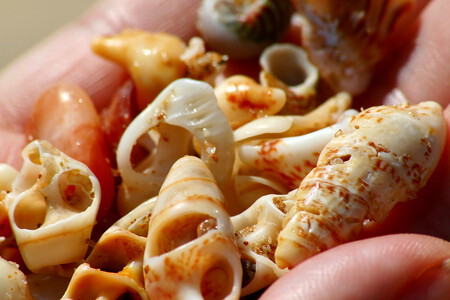
In a compelling study by Kowalewski and experts from the University of Barcelona , they scrutinized the impact of tourism on the abundance of shells. By analyzing the Long Beach of Saolu in Tarragona over two distinct timeframes (1978-1981 and 2008-2010), they identified a 70% decrease in shell abundance correlating with increased tourism activity.
The findings revealed that the pressure exerted by tourists, which grew 2.7 times over the same period, significantly affected the local shell population. This drastic decline is alarming, especially since shells play a crucial role in coastal ecosystems by preventing erosion and supporting marine life.
While this decline can be attributed to *tourism*, other factors must also be considered. Changes in water quality , increased recreational activities, shifts in urban development, and other human influences markedly affect shell populations. Experts caution that further studies are necessary to fully decipher the intricacies of these ecosystems.
Understanding the ecological importance of shells is crucial. They are not mere souvenirs; rather, they are integral components of a thriving marine ecosystem. According to Fernando García , a part of the Malacological Collection at the National Museum of Natural Sciences, shells are essential for coastal stability, affecting sand retention and water acidity. Removing them can disturb the entire ecosystem, leading to far-reaching consequences.
The repercussions extend beyond the immediate environment. The disappearance of shells can destabilize coastlines and reduce the production of critical materials used in marine ecosystems. Moreover, birds and various marine organisms rely on shells for nests and habitats. The loss of these materials can diminish biodiversity and complicate survival for many species.
Compounding the ethical considerations are legal aspects. Collecting shells, stones, or sand is unlawful in many regions, subjecting violators to hefty fines. In Spain, for example, the Coastal Law prohibits the removal of materials from public beaches, and the accompanying penalties can reach €60,000 .
The Cabildo de Fuerteventura recently reported that in just four months, they confiscated over 4,500 kilograms of shells and sand from tourists at the airport. These instances highlight the urgent need for awareness on the importance of preserving natural beach materials. Each year, local authorities return thousands of kilograms of material back to the beaches, emphasizing the fragility of these ecosystems.
In conclusion, while the innocent act of collecting shells may seem harmless, it is crucial to recognize its broader environmental implications . The practice not only disrupts thriving ecosystems but also has legal ramifications that could place individuals at risk of severe penalties. Preserving our beaches and their natural treasures is not just a personal responsibility but a collective endeavor to ensure that future generations can enjoy these coastal wonders.
Images | Carlos Alejo (Flickr) and Art of Hoping (UNSPLASH)
In Xataka | The beach of the crystals: Galicia has one of the most fascinating sands in Spain by chance