
Mercadona: The New Source of Viral Treasures in Spain
Over the past few months, Mercadona , one of Spain’s largest supermarket chains, has become a hotbed for viral products that have taken social media by storm. Recently, a bath gel that reportedly “smells divine” became the talk of the town. Previously, another product—a car scratch corrector made with hair lacquer—gained popularity, showcasing how even everyday items can spark intense conversations online. Just last week, a new pizza-flavor potato chip variety was spotlighted on social media, claiming to “taste the burning part” of its Italian counterpart.
Each of these products tells a microhistory of discovery , much like an unearthing of treasures from a hidden corridor. The Valencian chain has evolved; it is no longer just a supermarket, it has become a cost-effective entertainment platform that’s captivating the hearts of Spaniards.
Interestingly, the wave of articles surrounding these viral sensations isn’t funded by Mercadona. Contrary to popular belief, media outlets produce these articles without any direct financial backing from the supermarket. The more mundane reality is that any article featuring a new product at Mercadona generates both noteworthy traffic and engagement. Headlines like “Raving for just 4 euros: madness in Mercadona for this popular product” are crafted to draw in readers, and subsequently, clicks translate to revenue.
This phenomenon reflects a transformation within service journalism—what once served purely informative purposes is now a dopamine machine that fuels emotional high from discovering a €1.50 product that could rival any luxury item. Editors are well aware of what captivates audiences, and readers are more than eager to consume content that unveils hidden gems at their local supermarket. Mercadona reaps the rewards without spending a single euro on traditional advertising.
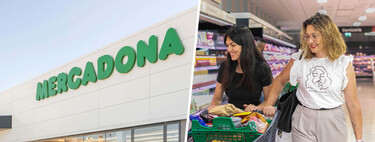
<img alt="Mercadona remains a popular shopping destination in Spain" width="375" height="142" src="https://i.blogs.es/44a5e0/mercadona-2025/375_142.jpeg"/>The captivating aspect transcends just individual influencers like Carlos Ríos , a nutritionist who analyzes products, or a car enthusiast using Deliplus lacquer for scratches. It’s the gamification of simple consumption that has transformed a regular grocery trip into a modern-day treasure hunt, favored by the middle class.
Searching Mercadona for “what I’ve seen on TikTok” has become a new national pastime —an Iberian and low-cost version of the unboxing culture. Each trip to the supermarket holds the exciting potential of stumbling upon a viral product , enabling individuals to be the first to share news with friends and family. It’s a thrilling endeavor akin to achieving a new level in a game with a small reward for the effort.
Without intending to, Mercadona has orchestrated a perfect unpaid influencer ecosystem . Current social media users obsessively document every new reveal, trick, and “unexpected find,” generating free promotional content for the supermarket while believing they are providing a vital service to their followers.
From the nutritionist categorizing the best bread to the mechanic discovering alternative uses for common products, YouTube channels dedicated solely to Mercadona are burgeoning in numbers. These creators unknowingly contribute to a larger narrative that benefits a significant corporation while engaging their audiences.
The unfolding story in Spain is a reflection of modern economic realities. With stagnated wages for over three decades, people find joy in simplified discoveries as a means of coping. Real experiences have become increasingly expensive; thus, consumers have learned to derive satisfaction from finding affordable indulgences. We may not afford fine dining experiences, but the thrill of discovering a luxury-smelling gel becomes our daily escape.
Although we can’t travel as extensively as we desire, we can still savor the excitement of novelty through affordable finds at our local supermarket. This reflects a consumption paradigm shift where we learn to derive joy from small victories, relating back to consumer psychology and creating a sense of community among shoppers.
Mercadona effectively offers more than just consumer goods; it provides small doses of excitement at a price within reach, meeting our ingrained need for continuous stimulation in these challenging times.
Outstanding image | Mr. Ricochet
In Xataka | Mercadona is more profitable than ever and is also closing stores for the first time in years. It is a calculated strategy.