

The Constitutional Court’s Ruling on Alejandro Toledo’s Health Care
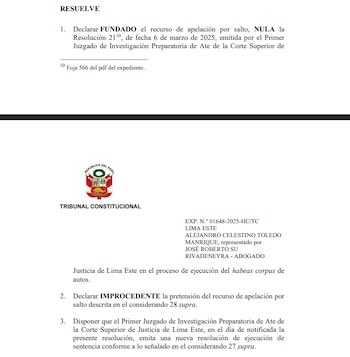
The Constitutional Court (TC) of Peru has declared void a pivotal judicial resolution from the First ATE Preparatory Research Court, which had prohibited the transfer of former president Alejandro Toledo to a private clinic for outpatient medical treatment . The ruling emphasized that the previous decision encroached upon Toledo’s fundamental rights, especially his right to health and personal integrity. The court criticized the prior authority for not giving adequate consideration to the complexities of Toledo’s health status.
Background of the Case
Toledo’s legal team submitted a challenge against the First ATE Preparatory Research Court decision through an appeal for Salto. They argued that the earlier ruling contradicted previous judgments made by the TC itself in April 2024. In that earlier ruling, the TC mandated the National Penitentiary Institute (INPE) to formally respond to Toledo’s request for private medical care .
Toledo’s Health Concerns
Serving a 20-year prison sentence related to the Odebrecht case , Toledo faces serious health issues. For over two years, he has sought treatment at the San Pablo Clinic, requesting to bear the costs himself and avoid hospitalization. However, in March 2025, the ATE Court denied his plea, citing a lack of sufficient medical justification. A prison evaluation had deemed Toledo as clinically stable and noted that he had access to specialized care through national health facilities.
The Court’s Instructions
In its ruling dated July 31, the TC mandated the First Preparatory Investigation Court to promptly issue a resolution facilitating Toledo’s transfer. The transfer is to be for outpatient care, financed by Toledo himself, without the need for hospitalization. Additionally, while the TC dismissed the request for sanctions against the presiding judge or INPE, it acknowledged that the previous rulings had shortcomings but noted that there had been formal responses.
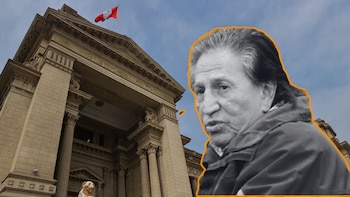
The Constitutional Court’s intervention comes amid growing scrutiny over the treatment of prisoners, particularly regarding their healthcare rights. As the situation unfolds, it will be interesting to observe the implications for Toledo’s legal battles and the precedents it might set for future cases. Ensuring that all individuals, regardless of their circumstances, receive appropriate medical care is a matter of crucial importance in any judicial system. The ruling not only reflects the court’s commitment to upholding individual rights but also addresses the broader issue of prisoners’ access to healthcare, which remains a contentious topic within the Peruvian legal context.