
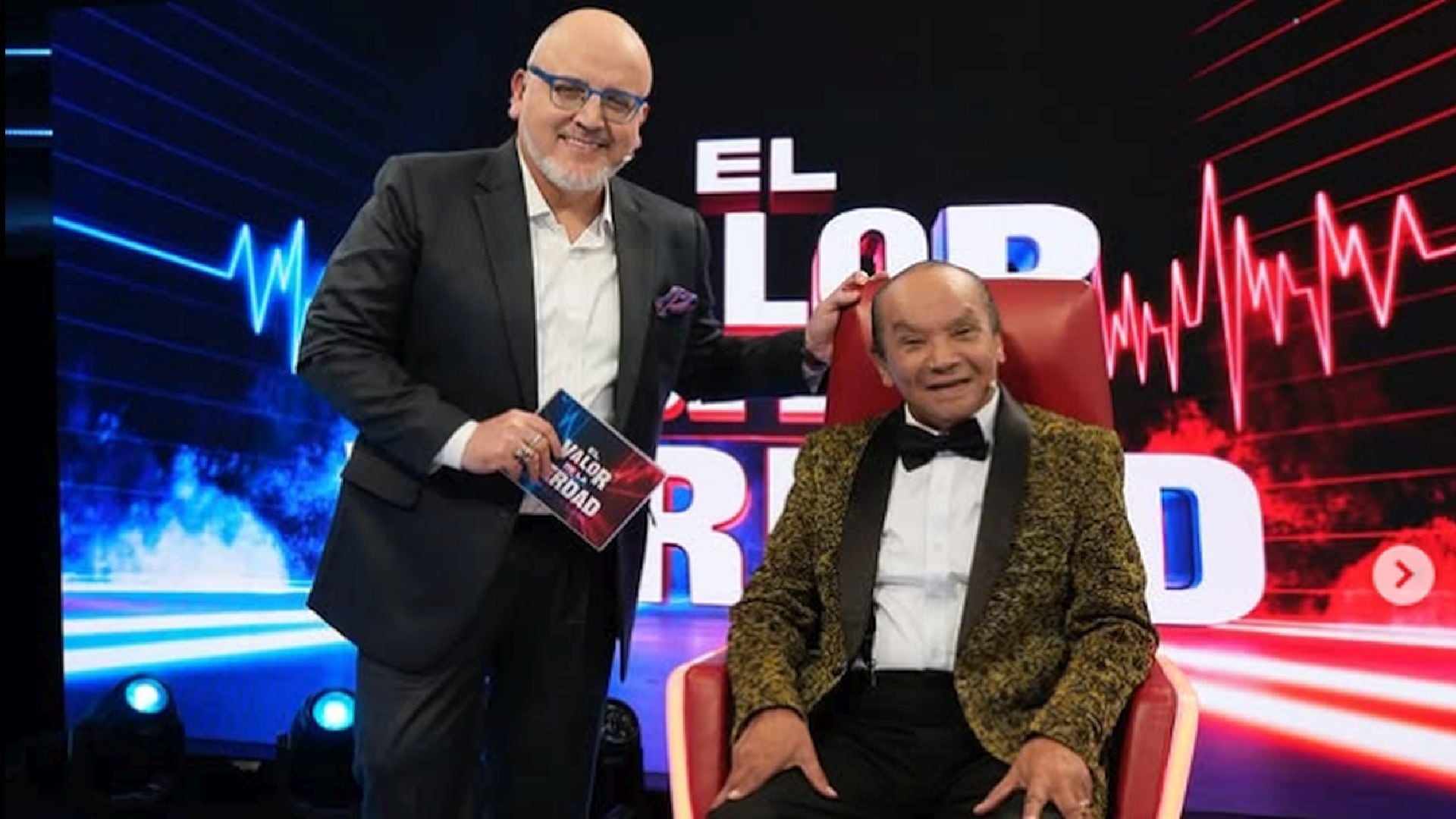
A Candid Look at Melcochita’s Life and Career on “The Value of Truth”
On a recent episode of The Value of Truth, the beloved Peruvian comedian Pablo Villanueva Branda, popularly known as Melcochita, unveiled some startling revelations about his personal and professional life. Known for his humorous character, he answered a series of provocative questions that touched on his past relationships, artistic challenges, and experiences with discrimination.
The program, hosted by Beto Ortiz, airs on Panamericana Televisión, and has consistently captivated audiences with its unique format where guests face a polygraph while revealing their truths. In this particular episode, Melcochita addressed some uncomfortable and sensitive topics, allowing fans to see another side of the iconic comedian.

Unfaithfulness and Discrimination
One of the most shocking revelations came when Melcochita admitted to being unfaithful in previous relationships. This segment painted a picture of a complex personal life, where he faced the repercussions of his actions. When asked about discrimination due to his skin color, Melcochita didn’t shy away from sharing his struggles. He described painful moments of being marginalized, which has shaped much of his perspective as an entertainer.
He also revisited his financial difficulties during the pandemic, admitting that he ran out of money. “That was a tough time, but I found ways to keep performing, even if it was through Zoom,” he noted. His resilience is admirable, showcasing that even someone of his stature experiences hardship.

Encounters with Powerful Figures
During the interview, Melcochita disclosed his past connection with Pablo Escobar, the infamous Colombian drug lord. He recounted a chilling experience of performing for Escobar, expressing his fear during the encounter. “I only played my song Pegaso,” he remarked, capturing the tension of the moment.
The comedian also reflected on his relationships with other prominent personalities, including his friendship with the late former president Alberto Fujimori. Melcochita narrated how they met during the 1990 campaign, recalling attending Fujimori’s wake, which earned him the label of “Fujimorista.” His willingness to address such controversial topics demonstrates his openness and authenticity.

On Fame and Jealousy
Melcochita also shared an insight into his fame, revealing that his colleagues often felt a “healthy envy” of his consistent work. This speaks volumes about the competitive nature of the entertainment industry and the challenges even successful comedians face.
Additionally, he recalled a near-death experience during a comedic sketch. “We were filming near a river, and it was a close call,” he said, admitting that his desire to entertain sometimes placed him in dangerous situations.

Looking Beyond Comedy
As the interview progressed, Melcochita addressed several uncomfortable questions, including allegations of others copying his material. He openly discussed his feelings about competition among comedians, revealing a side that many fans might not see on stage.
Moreover, he emphasized the need to respect the current generation’s taste in comedy, acknowledging that what may not appeal to him might resonate with younger audiences. “Each generation has its flavor,” he noted, showcasing maturity and an understanding of the evolving landscape of entertainment.

Melcochita’s journey reflects not only his personal struggles and triumphs but also a deep commitment to his craft. His participation in The Value of Truth sheds light on the complexities of being a public figure in today’s world. His candidness is a reminder that behind the laughter, there are real stories and challenges artists face. The episode leaves viewers with much to ponder about authenticity, morality, and the cost of fame.
The episode not only entertained but also offered a glimpse into the trials of a man who has dedicated his life to bringing joy to others while navigating the turbulent waters of fame and personal challenges.