
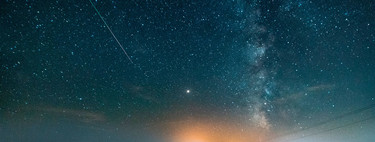
Experience the Wonder of the Perseids Meteor Shower
The festive season of stargazing is upon us ! Although the Perseids meteor shower will reach its peak on August 12, 2023 , stargazers can begin enjoying the spectacle now. Unfortunately, many will find the meteors hard to spot due to the full moon occurring just days before the peak, adding to the challenges of *light pollution*. Nevertheless, there are ways to maximize your viewing experience.
Exploring the Beauty of Emptied Spain
Each summer, thousands of people return to their roots in the rural regions of Spain , often referred to as “emptied Spain.” These areas, once bustling with life, offer an ideal backdrop for stargazing, free from the glare of urban lights. Visitors flock to these regions for a chance to escape light pollution and immerse themselves in nature. The clear nights in these rural landscapes can significantly enhance your experience of the Perseids.
The Perseids Explained
The Perseids are among the most iconic meteor showers visible in the northern hemisphere . They originate from remnants of Comet 109P/Swift-Tuttle , a relic of cosmic dust, ice, and rock. As Earth passes through this debris field each August, the small particles enter our atmosphere, burning up and creating stunning streaks of light in the sky. During the peak, observers can witness up to 140 meteors per hour under ideal conditions, especially on the nights of August 11 and 12 .
<img alt="History after this spectacular Timelapse of the Perseids: more than 1,500 photographs for 47 seconds" width="375" height="142" src="https://i.blogs.es/574dbe/perseidas-foto/375_142.jpg"/>Navigating the Obstacles of Light Pollution
This year’s meteor shower presents a unique challenge —the full moon on August 9 will result in increased sky brightness, complicating visibility for those hoping to catch a glimpse of the meteors. To improve your chances, consider escaping not only the urban lights but also planning your viewing activity for hours when the moon is low on the horizon.
Many of us might be wondering: where can we go to get the best view? Spain offers vast, underpopulated regions , especially in rural settings between major urban areas like *Madrid * and coastal towns. This makes it easier to avoid significant light pollution and find locations with clear skies.
Finding the Best Stargazing Locations
Deciding on the perfect location for viewing the Perseids can be tricky. Thankfully, various resources are available to help you. The light pollution map created by the Complutense University of Madrid and the CBAS (International Research Center of Big Data for Sustainable Development Goals) can guide you to the best spots for stargazing. This comprehensive map covers vast areas of Spain and Portugal , highlighting regions with minimal light interference.
Additionally, explore mobile apps like “Light Pollution Map – Dark Sky,” which can help you identify the best nearby locations devoid of artificial light. These tools make it easier for enthusiasts to navigate to ideal stargazing spots without compromising visibility.
The Rise of Astrotourism
As the public’s interest in astronomy grows, many rural areas are leveraging this into astrotourism initiatives . This year’s Perseids may serve as a precursor to the anticipated solar eclipse traveling across the Iberian Peninsula in 2024, which is expected to attract thousands to witness this magnificent event.
Various local governments are proactively promoting astrotourism through campaigns and events. For instance, the city of Benavente recently hosted its inaugural Astro Tourism Festival , preparing for future astronomical events by showcasing rural Spain’s stunning night skies.
Conclusion
As the Perseids meteor shower peaks soon, enthusiasts are encouraged to take advantage of rural Spain’s light-pollution-free environments . By utilizing various resources, from interactive maps to strategic planning, you can enhance your chances of witnessing these breathtaking meteor displays. With continued interest in astrotourism, rural areas are set to shine even more brightly as destinations for astronomy lovers. Whether you’re settling into a cozy rural retreat or joining fellow stargazers, the sky is sure to hold thrilling surprises for anyone willing to look up.