

Harvard University published research demonstrating how daily food choices significantly influence quality of life and aging. According to analysis collected by GQ and backed by Harvard Health , diet stands as one of the factors with the greatest impact on longevity and overall physical and mental well-being over the years.
Current science argues that the goal goes beyond merely adding years to life; it aims to maintain independence, energy, and optimal functioning of both body and mind in old age. Everyday habits, including diet and exercise, profoundly affect the pace of aging and the onset of various diseases.
Among the most effective dietary patterns are the Mediterranean diet and the DASH diet , both of which prioritize whole, plant-based foods over ultra-processed and unhealthy fats.
According to Harvard, there are no miracle recipes for longevity. Instead, the focus should be on adopting sustainable dietary changes, however small, as these can prevent chronic diseases and encourage holistic health throughout one’s lifetime.
A recent analysis from Harvard cited in GQ and CNBC developed the Alternative Healthy Eating Index to assess nutritional quality based on the frequency and quantity of specific food items consumed.

Researchers state that this index correlates most strongly with improved health and longevity outcomes. It doesn’t necessitate veganism but encourages that the majority of calories come from vegetables, fruits, and whole grains, without entirely excluding other food groups.
The primary aim is to maximize the intake of essential nutrients while minimizing exposure to harmful compounds, thereby supporting optimal cellular and system performance. Adopting these dietary patterns translates into more years and enhanced quality of life .
Within the Harvard model, there are seven food groups highlighted as key components for aging well and living longer:
1. Fruits: Rich in vitamins, minerals, and antioxidants, these protect cells and strengthen the immune system.
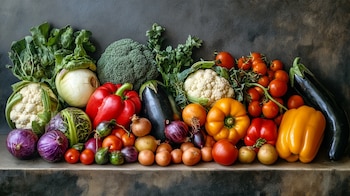
2. Vegetables: They provide essential nutrients while helping reduce inflammation and oxidative damage, crucial factors in aging.
3. Whole Grains: Foods like oats, brown rice, and quinoa offer sustained energy, fiber, and micronutrients, supporting both cardiovascular and digestive health.
4. Legumes: Lentils, chickpeas, and beans provide plant proteins, fiber, and minerals that aid in controlling cholesterol and glucose levels.
5. Nuts: Almonds, walnuts, and similar nuts contain healthy fats, antioxidants, and proteins; moderate consumption is linked to heart and nerve system protection.
6. Unsaturated Fats: Found in vegetable oils, avocados, and fatty fish, these fats contribute to brain and cardiovascular health, helping reduce inflammation.
7. Low-Fat Dairy (in moderation): Provides essential calcium and proteins crucial for bone and muscle health.
Harvard Health emphasizes, “A healthy diet provides vital sources of energy to cells and keeps them stable and functioning correctly. Healthy foods bolster immune cells, defending against infections and health threats, while repairing or replacing damaged cells.”
Frequent consumption of healthy fruits, vegetables, and fats is decisive for these benefits.
On the other hand, several products can accelerate physical and mental decline, increasing the risk of serious diseases. Harvard studies advise against these five food groups:
1. Sugary Drinks: Soft drinks and industrial juices contain harmful liquid sugars linked to obesity, type two diabetes, and cardiovascular illnesses.
2. Red Meats: Excess consumption raises the incidence of chronic diseases and certain cancers.

3. Trans Fats: Present in fried foods, ultra-processed items, and baked goods, these fats heighten inflammation and cellular damage.
4. Sodium: Excessive salt intake contributes to hypertension and elevates the risk of strokes and heart disease.
5. Processed Meats: Sausages, hot dogs, and other processed products contain additives and preservatives linked to obesity, type two diabetes, and cancer.
Harvard Health concludes, “A sugar-rich, unhealthy, and ultra-processed diet can damage cells’ functionality, increasing the risk of infections, cancer, inflammation, and other chronic diseases.”
Everyday food choices play a crucial role in strengthening the immune system, preserving physical and mental capabilities, and fostering quality of life. The foods you consume daily significantly influence aging and health outcomes.