
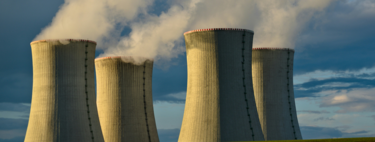
The Revival of the Nuclear Debate in Spain
The debate on a possible extension of nuclear plants has returned to the forefront of media discussions. While electric companies argue for prolonging the operational life of these facilities, the Spanish government denies that formal negotiations are in progress, reiterating the essential conditions they have set.
A Letter and Three Conditions. About a month ago, Iberdrola and Endesa delivered a joint letter to the government, proposing a re-examination of the *gradual closure* of the nuclear park. This plan includes shutting down seven reactors between 2027 and 2035. The rationale behind their appeal is that keeping certain plants operational would reduce electricity costs for consumers.
According to El País, the Government responded with a letter from Ecological Transition Minister Sara Aagesen , emphasizing three rigid conditions: zero additional cost for citizens, guaranteed security of supply, and adherence to standards set by the Nuclear Safety Council .
<img alt="Spain is investing in a new nuclear infrastructure: in a gigantic "Geological warehouse" For uranium, specifically" width="375" height="142" src="https://i.blogs.es/9f8048/guia-de-imagenes-destacadas-1-/375_142.png"/>So Far They “Dialogue.” As reported by Eldiario.es, the government views the letter from electric companies as a declaration of intentions rather than a formal request. Furthermore, Naturgy and EDP , also minority shareholders in some reactors, did not sign the document, leaving Iberdrola and Endesa to navigate this complex landscape alone.
The Debate Intensifies. The crux of the issue lies in the economic viability of nuclear energy, as highlighted by El Confidencial. Energy companies argue that the current fiscal burdens make operation unfeasible unless market prices exceed €65-70/MWh . Projections indicate that prices will hover around €55/MWh by 2030, adding pressure to the ongoing negotiations.
In this challenging environment, Endesa’s CEO, José Bogas , proposed that the government consider a fiscal reduction, especially concerning regional taxes and the Enresa rate, which funds the dismantling of plants and waste management. However, the Ministry of Ecological Transition (MITECO) aptly asserts that any fiscal concessions would harm citizens, thereby contradicting their established conditions.
Almaraz: The First Thermometer. A focal point in this discussion is the Almaraz nuclear power plant in Cáceres. The first reactor is scheduled for closure in November 2027, and the second in October 2028. So far, the three owners— Iberdrola, Endesa, and Naturgy—have not convened to discuss the necessary investments to extend operations beyond these dates. A crucial meeting initially slated for June has been postponed, with industry insiders now anticipating it won’t occur before September.
In the meantime, companies are preparing a follow-up proposal, as reported by El Confidencial, which could be presented at a meeting with Minister Aagesen after the summer. This plan may involve offering tax reductions in exchange for prolonging operations until 2030. Nevertheless, the Ministry insists that negotiations can only proceed if conditions are met.
A Hot Topic in Congress. The political arena has also taken an interest in the debate. The Popular Party is preparing a legislative proposal to extend nuclear operations. This initiative has garnered support from several regional governments controlled by the PP, such as Extremadura and the Community of Valencia , as well as parliamentary backing from Junts and ERC , who have expressed a willingness to reconsider the nuclear calendar.
However, the government remains resolute in its stance. President Pedro Sánchez made it clear last May in Congress that the PP and Vox are acting as “amateur lobbyists” for the electric companies. He stated: “If companies want to keep the plants open, they should pay for it—not the citizens.”
Navigating an Ambivalent European Framework. The legal standing of nuclear energy in the EU adds another layer of complexity. European regulations do not classify nuclear power as a renewable source under Directive 2018/2001. This has also been adopted by Spanish law. However, in 2022, the European Commission partially reversed this stance by including nuclear energy in the “green taxonomy” along with natural gas, under certain conditions. This classification allows specific nuclear investments to be labeled as climate-friendly.
As elaborated by Miguel Huarte, nuclear energy occupies a regulatory gray area—while not classified as renewable, it is emission-free in operation. Countries like France and Belgium have opted to extend their nuclear capabilities, contrasting with Spain’s current direction.
Accelerating Alternative Routes. Concurrently, MITECO has processed a new Royal Decree aimed at reinforcing the electrical system. As stated in a press release, this technical standard does not directly address the nuclear calendar but emphasizes strengthening the electrical system through demand electrification and energy storage promotion.
This proposal increases technical oversight by the Electricity and CNMC, encourages renewable hybridization with storage solutions, and limits speculation over connection points. While it doesn’t mention nuclear power specifically, it signals the government’s commitment to achieving a 100% renewable energy mix .
A Door Ajar. The ongoing dialogues between electric companies and the government have largely served to clarify red lines rather than open doors. The fundamental stakes involve the country’s energy model, pivoting towards renewables while prolonging the life of nuclear plants under the guise of stability.
However, as noted by Eldiario.es, without a formal proposal indicating willingness to surrender tax privileges, the power companies remain outside a ministry that steadfastly maintains: either conditions are met, or the closure calendar will proceed. The fate of the Almaraz plant—and possibly the entire nuclear park—will likely be determined after the summer, with various negotiations still to unfold.