
The Punctuality Crisis of Renfe’s AVE and Other Services
The punctuality of trains has become a pressing issue for many travelers. Recent months have seen a decline in on-time arrivals, and the Spanish train company Renfe has officially recognized this trend. Renfe released its first punctuality report for June, detailing the performance of its AVE, Long Distance, and Avant services. This monthly report reveals alarming statistics that indicate a significant number of delays in service.
Understanding the Report
The report comprises three distinct documents: the AVE and Long Distance report, the Medium Distance report, and the Avant report. Each of these reports offers insights into the level of punctuality observed during June. According to Minister of Transportation Oscar Puente , the objective of releasing this data is to promote transparency . He insisted that this would provide the public with clear information on real punctuality levels and the incidents affecting train schedules.
Image | Renfe
AVE and Long Distance Performance
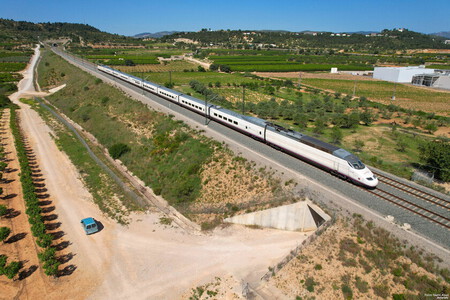
It is apparent that Renfe’s AVE network is facing serious challenges. Various issues, including poor infrastructure , ongoing roadworks , and even incidents like theft and fires , have all contributed to delays. According to the report, June marked the second highest average delay time , falling just behind April, which recorded an average delay of 20.9 minutes. Here are some key statistics from that report for June:
- Trains Operating: 9,607
- On-time/Marginal Delay (5 minutes or less): 3,477 trains
- Delays Under 15 Minutes: 1,824 trains
- Delays Under 30 Minutes: 882 trains
- Delays Under 1 Hour: 307 trains
- Average Delay (June): 19 minutes
- Average Delay (First Half of Year): 17.6 minutes
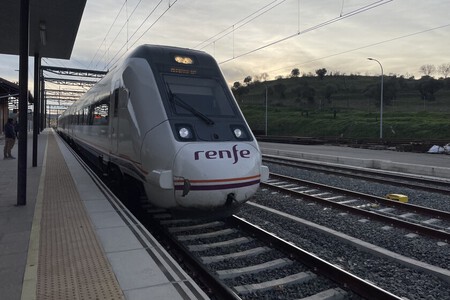
Image | Xataka
Medium Distance Service Delays
Medium distance services are also struggling with punctuality. June has been recorded as the second worst month of the year following March, which had an average delay of 15.4 minutes. The numbers reflect the challenges faced by this service category:
- Trains Operating: 6,152
- On-time/Marginal Delay (5 minutes or less): 2,347 trains
- Delays Under 15 Minutes: 927 trains
- Delays Under 30 Minutes: 345 trains
- Delays Under 1 Hour: 122 trains
- Average Delay (June): 15 minutes
- Average Delay (First Half of Year): 12.8 minutes

Avant Service Performance
In contrast, the Avant service appears to be performing comparatively better than its counterparts, despite also experiencing delays. In June, the average delay recorded was only 10 minutes, which is half of what was reported for the high-speed trains. The breakdown of Avant’s performance in June is as follows:
- Trains Operating: 4,151
- On-time/Marginal Delay (5 minutes or less): 706 trains
- Delays Under 15 Minutes: 248 trains
- Delays Under 30 Minutes: 118 trains
- Delays Under 1 Hour: 26 trains
- Average Delay (June): 10 minutes
- Average Delay (First Half of Year): 8.8 minutes
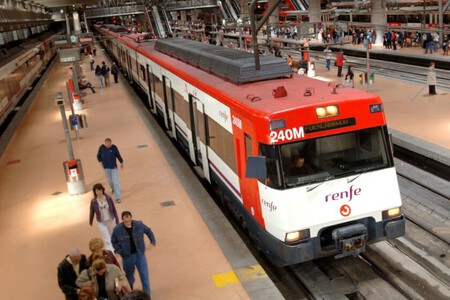
Image | Renfe
Overall Challenges and Future Investments
The year 2025 is anticipated to be a challenging one for Renfe, with multiple hardware-related incidents causing a series of delays . Actions must be taken, including significant investment in infrastructure improvements . The government has proposed allocating €400 million towards maintaining essential railway infrastructures such as viaducts and tunnels . The efficacy of this investment is crucial as it aims to address the various issues plaguing the Spanish railway system.
Further complicating matters is Renfe’s updated punctuality commitment , which came into effect on July 1, 2024. Previously, passengers could receive a full refund for delays exceeding 60 minutes; this margin has now been extended to 90 minutes, with financial returns halved for delays beyond this limit. Under the revised commitment, Renfe has managed to save about 6% of refunds typically owed to passengers during June.