
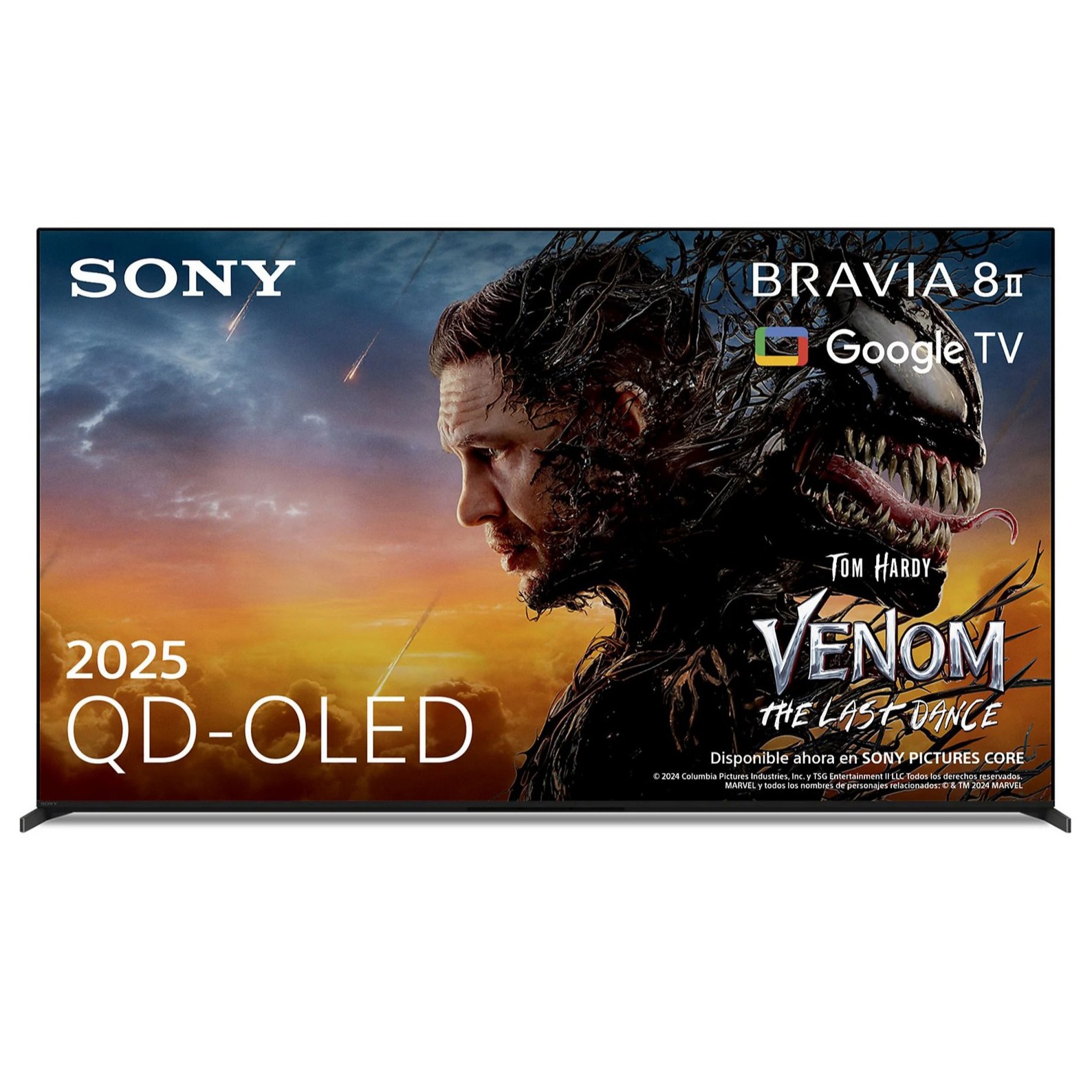
Sony faces a remarkable challenge with its latest model, the BRAVIA OLED 8 II . Over the past years, the brand’s OLED TVs, especially the A95K and the A95L , have reached unparalleled heights in image quality. These models were awarded perfect scores in image quality assessments, primarily due to their superior performance compared to the competition. As we step into 2025, the BRAVIA OLED 8 II arrives under immense expectations, not only to continue Sony’s legacy but also to stand against the significantly improved offerings from competitors like Panasonic, Samsung, and LG.
The goal of this analysis is to evaluate whether the BRAVIA OLED 8 II can maintain its predecessor’s impressive standards in a market rife with advancements.
Sony BRAVIA OLED 8 II: Technical Specifications
| Feature | Details |
|---|---|
| Panel | QD-OLED (Quantum Dot OLED) 65 inches, 4K UHD, 120 Hz |
| Resolution | 3,840 x 2,160 pixels |
| HDR Support | Dolby Vision, HDR10, HLG |
| Processor | XR Processor |
| Sound | Acoustic Surface Audio+, Dolby Atmos, 50 watts total power |
| Operating System | Google TV |
| Connectivity | 2 x HDMI 2.1, 2 x HDMI 2.0, 32 GB internal storage |
| Weight | 24.2 kg with stands |
| Price | 2,799 euros |
Sony – 65′ BRAVIA OLED 8 II TV, 4K HDR, 120Hz, Google TV, Dolby Vision
* Price may change since the last review.
Outstanding Finish with Restrictive Stands
Diving into the design, the QD-OLED technology utilized in the BRAVIA OLED 8 II represents the pinnacle of TV panel innovation. The latest model boasts improved brightness capabilities due to advancements in subpixel technology. Capable of reaching a peak brightness of up to 2,200 nits in HDR mode, this TV offers exceptional performance in bright environments.
The 65-inch panel requires specific stand placements, which may not suit all settings. The design emphasizes stability, yet some users may find the stand placement restrictive.
Globally Superb Image Quality
When assessing image quality, I used a variety of films including ‘Oppenheimer’ and ‘Dune: Part 2’. The BRAVIA OLED 8 II excelled in faithfully reproducing colors and maintaining detail, even in dark scenes. The absence of a white subpixel, unlike its LG competitors, allows for high-precision color reproduction at various brightness levels.
Additionally, Sony provides calibrated modes for popular streaming services such as Netflix and Prime Video. This feature sets the BRAVIA OLED 8 II apart for those seeking an optimized viewing experience.
Gaming Performance: Good, but Not Unbeatable
Evaluating gaming capabilities, I tested the console gaming experience with the Xbox Series X. The BRAVIA OLED 8 II provides impressive low input lag and quick panel response times, crucial for fast-paced games. However, it competes closely with LG’s offerings, which showcase slightly better latency specifications.
Sony BRAVIA OLED 8 II: Xataka’s Opinion
This year’s BRAVIA OLED 8 II solidifies Sony’s status in the OLED TV market. Its image quality is fantastic, supported by an exceptional processing engine, yielding highly satisfying results right out of the box. However, missed opportunities like the lack of HDR10+ support and limited HDMI 2.1 ports might deter some potential buyers.
While these shortcomings exist, they don’t overshadow the substantial advancements made with this television. The BRAVIA OLED 8 II is undoubtedly a solid investment for anyone serious about high-quality home entertainment.
With a soaring score of 9.3 , Sony’s commitment to innovation shines through despite the looming competition in the OLED domain.
For gadget enthusiasts and casual viewers alike, this TV blends cutting-edge technology with exceptional performance to create an immersive viewing experience. In summary, Sony’s BRAVIA OLED 8 II not only meets but exceeds expectations, establishing itself as a formidable choice in the competitive landscape of premium televisions.