
The Growing Threat of Lithium-Ion Batteries on Airplanes
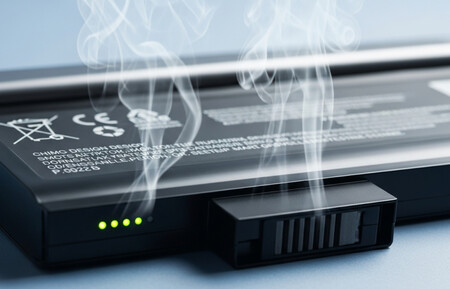
In recent years, airlines have become increasingly concerned about the flammable potential of devices like power banks and larger laptops. This has led to capacity limits on batteries allowed in the cabin. A vivid example of this fear was highlighted during an incident on an American Airlines flight, where a bag containing a laptop began to emit smoke.
What Happened
While preparing for takeoff at the San Francisco International Airport (SFO) on flight 2045 bound for Miami, panic ensued when smoke emerged from a passenger’s bag. Eyewitness reports described scenes of chaos with shouts of “fire in the rear.” The crew acted swiftly, commencing evacuation procedures and removing the bag from the cabin.
Evacuation Efforts
Despite the airline’s efforts to maintain order, reality proved different. Passengers were instructed to leave the plane in an organized manner, yet many disregarded crucial instructions to leave their bags and personal belongings behind . Videos recorded during the incident showcase a disorganized evacuation where individuals made the reckless choice to carry their bags down the emergency slides. Ultimately, the evacuation concluded without significant damage to the aircraft, though three passengers sustained minor injuries.
The Cause of Smoke
Firefighters from the San Francisco Fire Department (SFFD) confirmed that the source of the smoke was indeed a laptop battery, though specific details surrounding the malfunction were not disclosed. Although the smoke had dissipated by the time emergency responders arrived, they submerged the problematic laptop in water inside a containment unit to avoid any potential resurgence of fire.
Protocols in Place
The European Air Security Agency (EASA) has clearly defined guidelines that passengers must follow during an evacuation:
- Listen: Heed all instructions from cabin crew.
- Leave luggage: Attempting to take belongings can impede escape routes and endanger fellow passengers.
In the United States, guidelines are strikingly similar: prioritize following crew instructions and leave personal items behind. This protocol aims to ensure that any aircraft can be evacuated within 90 seconds .
A Growing Problem
Despite prohibitions on using lithium-ion batteries in aircraft cargo holds since 2016, incidents related to these batteries continue to escalate, manifesting as smoke, fire, or overheating.
The Federal Aviation Administration (FAA) maintains a record of these troubling incidents. An alarming comparison shows that 120 incidents occurred between 2006 and 2016, whereas from 2017 to May 2025, that figure surged to 377 .
This indicates a more than threefold increase in incidents over a shorter time span. Most of these incidents took place on commercial airliners, with 385 cases compared to only 119 involving transport aircraft. A breakdown reveals 201 fire-related incidents , with 144 occurring between 2016 and May 2025.
Safety Measures During Flights
The FAA’s records underscore how crews address these emergencies mid-flight. One effective solution is the use of thermal containment bags , which can isolate problematic devices and reduce the risk of disaster. Many crew members opt to submerge malfunctioning devices in water before placing them in these protective bags.
Airlines are implementing preventive measures: Southwest Airlines now requires passengers carrying power banks to keep them visible throughout the flight.
The Science Behind Battery Mishaps
So why do these batteries malfunction? The culprit often lies in a phenomenon known as “thermal runaway,” where overheating leads to self-perpetuating reactions that result in an explosion. This occurs when the battery’s anode and cathode fail to interact properly, generating excessive heat and subsequent reactions that release gases.
Under optimal conditions, batteries adhere to strict safety protocols. However, defective batteries or poor-quality manufacturing, as seen in episodes involving the Samsung Galaxy Note 7, can greatly elevate risk levels. Moreover, mechanical shocks, such as drops or falls from significant heights, can cause internal short circuits.
Images | Erik McLean and Phil Deforges on Unsplash .
The need for heightened awareness regarding battery safety on board aircraft cannot be overstated. Continued incidents highlight a pressing issue that airlines and passengers must address collaboratively to ensure safety in the skies.