
EU and US Reset Trade Relations: A Pivotal Moment for Wine and Olive Oil Sectors
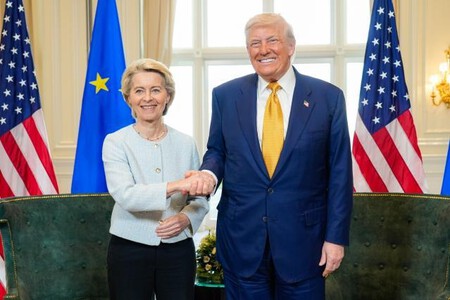
“Those who expect a hurricane appreciate a storm.” This phrase, articulated by Wolfgang Groe Entrup, the president of the German Association of the Chemical Industry (VCI), encapsulates the sentiments of many in the European Union as they observe the recent diplomatic handshake between Ursula von der Leyen and Donald Trump. This handshake symbolizes a potential resolution to escalating trade tensions that have plagued transatlantic relations in recent months.
After months of threats and counter-threats, a significant agreement has been established between the European Union (EU) and the United States (US). The agreement imposes a general tariff of 15% on European exports entering American shores. Notably, this will occur without reciprocity, meaning that American imports into the EU will not face a similar rate, a condition that raises questions about fairness and balance in international trade.
The Agreement Unveiled
The agreement was formally concluded not in the halls of Brussels or Washington, but rather on a Scottish golf course owned by Donald Trump. While many details remain murky, the most critical aspect of this pact is the impending 15% tariff on community exports. In exchange, the EU has committed to purchasing American energy products worth $750 billion over the next few years and increasing investments in the US by $600 billion.
However, while some aspects of the agreement seem positive, it is essential to note an important caveat: the US will maintain its 50% tariff on steel and aluminum. Ursula von der Leyen hinted that discussions to replace this tariff with a quota system could ensue, adding a layer of uncertainty to the agreement.
Concerns for the Wine and Olive Oil Sectors
Particularly focused on the ramifications of this trade agreement are Spain’s wine and olive oil industries, both crucial components of the nation’s economy. These sectors are now on high alert following the cusp of tariffs that could impact their viability in the US market.
Last year, the trade relationship between the US and the EU accounted for a staggering $975 billion, and Spain’s exports to the US in 2024 alone were valued at over $21.2 billion. While the immediate impact of tariffs on Spanish exports may appear limited—only accounting for 4.7% of total Spanish exports—the consequences for certain sectors could be profound.
José Luis Benítez from the Spanish Wine Federation expressed cautious optimism about the potential for zero tariffs on wine in future negotiations. “If there are any exceptions, we hope the European Commission understands that wine should be one of them,” said Benítez.
The Stakes for Olive Oil
Meanwhile, Spanish olive oil producers are bracing for the impact of the 15% tariff, which they deem “totally negative.” Luis Carlos Valero, a spokesperson for Asaja Jaén, stated that while the situation looks grim, caution is warranted. “You have to wait to really see how these tariffs are applied,” he cautioned. Notably, in the past, tariff regulations primarily impacted packaged olive oil, leaving bulk exports relatively unscathed.
The variability of tariff impacts poses questions about how individual sectors will navigate this new trade landscape. It’s worth noting that Spain and Italy together export about 65% of the olive oil Americans consume.
Industry Reactions
Reactions from various industry stakeholders range from cautious optimism to outright concern. The Spanish Federation of Food and Drink Industries labeled the agreement as “unfair and unbalanced,” particularly for iconic exports like wine and olive oil. They acknowledge that while the agreement avoids immediate disaster, it raises serious alarms about long-term consequences.
While the agreement may provide some level of stability to transatlantic trade, farmers and ranchers are voicing their concerns about the repercussions of accepting conditions that may prove detrimental to their sectors. The olive oil industry has echoed this sentiment, warning of market distortions that may arise as a result of the new trade landscape.
A New Path Forward?
As these developments unfold, the wine and olive oil sectors are poised to react under pressure. Industry representatives have made clear that maintaining a balance in trade relations is essential for the long-term viability of these sectors. The potential for further negotiations offers a glimmer of hope, yet the stakes remain high.
In conclusion, while the handshake between Ursula von der Leyen and Donald Trump indicates a possible step towards resolving trade tensions, the specifics of the agreement, particularly regarding tariffs and exemptions for key sectors like wine and olive oil, continue to provoke both optimism and anxiety. Stakeholders now find themselves in a precarious position, advocating for their industries while closely monitoring the evolving dynamics of US-EU trade relations. As negotiations continue, the key question remains: Will the agreement yield fair and equitable conditions for all parties involved?