
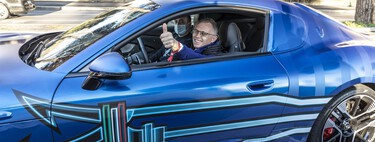
In a significant move for the automotive industry, Stellantis has announced a monumental investment of 1.2 billion euros in Morocco . This investment aims to substantially expand their production capabilities at the plant located in Kenitra , projected to boost output to 535,000 vehicles per year . This ambitious plan places the Moroccan factory on equal footing with Stellantis’s historical site in Vigo , Spain, illustrating a strategic shift that could have significant implications for their operations in Europe, particularly Italy .
The Shift to North Africa
Stellantis has been steadily increasing its presence in Morocco since it established operations in the country in 2019 . Back then, their plants were producing a modest 200,000 vehicles . Fast forward to 2030 , and production is anticipated to surpass half a million units, solidifying Morocco’s role as a key player in the automotive landscape.
With the investment, Stellantis is not merely expanding its production capabilities but is also planning to manufacture hybrid engines within Africa. This strategic decision aims to reduce production costs and optimize their offerings in an increasingly competitive market. Following these developments, the Smart Car , a smaller vehicle with eco-friendly features, is also set to be introduced in the region.
Challenges in Italy
While Stellantis continues to thrive in Morocco, the contrast is stark when examining their operations in Italy . Despite the country being home to prestigious automotive brands such as Fiat , Alfa Romeo , and Maserati , production numbers have drastically declined. In 2024 , Stellantis reported its lowest-ever car production in Italy, marking a concerning trend for local workers and the industry at large.

The Italian automotive industry is plagued by high production costs , as well as the increasing challenge of adhering to European emission standards. This regulatory pressure has led Stellantis to prioritize the manufacturing of more electrified vehicles , which has hindered traditional production lines, such as the Fiat Panda . As the company navigates these complex waters, layoffs have become a norm, showing the stark reality of times in Italy versus the opportunities blossoming in Morocco.
Political Repercussions
The news of Stellantis’s investment in Morocco has sparked outrage among Italian politicians and labor unions. Many have labeled the move as “absurd,” pointing out the considerable financial support that the Italian government has historically provided to the automotive giant. Carlo Cardone , a member of the Azione party, has been vocal about this issue, urging John Elkann , the president of Stellantis, to honor commitments made to Italian workers.
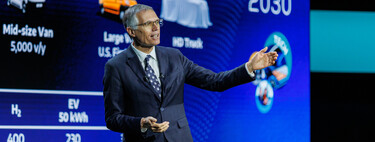
Comments from union representatives like Samuele Lodi highlight the dire situation, stating that investments in Italy are at a standstill and emphasizing the dire need for government intervention . The sentiment is clear: many feel abandoned by a company that once served as a beacon of job security and industrial pride.
The Future in Morocco
The prospects in Morocco, however, are promising. The recent investment is expected to create 3,000 jobs , with an economic impact that could exceed 6 billion euros . Stellantis’s focus will shift to producing lightweight quadricycles, three-wheeled electric vehicles, and more affordable hybrid options like the Fiat Grande Panda and Citroën C3 . These developments aim to create a competitive edge against rising Chinese automotive companies .

This new direction firmly establishes Morocco as a significant player in the African automotive market , especially as the nation moves to attract investments in electric vehicle production. Stellantis, along with Renault , is being proactive in positioning the region as a manufacturing hub, benefiting from ties with the European Union, which helps in circumventing the high costs associated with importing vehicles from further afield, such as China .
Overall, while Stellantis embarks on a promising path in Morocco, the stark contrast to its declining production in Italy raises questions about the long-term implications for the Italian automotive industry and its skilled workforce. A strategic balance is critical as the company navigates the growing demands of the global automotive market, especially in an era where electric vehicle technology becomes increasingly paramount.