
The tomato industry in Spain , particularly in the key region of Extremadura , is grappling with increasing concerns regarding competition from Chinese tomatoes. As the world’s largest producer of this vibrant vegetable, China is gradually making it difficult for local farmers to sustain viable profits due to their lower production costs. The impact on farmers in Extremadura has been profoundly disappointing, raising questions about the future of tomato cultivation in the area.
The pivotal concern is, what can be expected in the face of these market challenges?
Tomato “Made in Extremadura”
When referring to Spanish tomatoes , particularly those aimed at industrial production , Extremadura reigns supreme. In the 2023 campaign , the region cultivated a staggering 75% of Spain’s industrial tomato crops, placing it far ahead of Andalusia and Navarra. By early 2021, it was reported that the surface area dedicated to this vital crop spanned approximately 23,000 hectares , in a nation where the total dedicated to tomatoes is around 31,000 hectares . The local farmers take pride in their cultivation methods, which emphasize quality, sustainability, and community support.
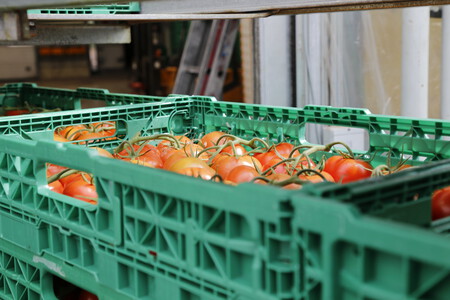
A Sector with Swings
Despite being powerful, the tomato industry often faces market fluctuations that significantly affect local farmers. In January, growers in Extremadura reported that the price of tomatoes had fallen below production costs— 107 euros per ton for private industries and 115 euros for cooperatives, far from the 140 euros reached in previous years. Juan Metidieri, president of Aigg Extremadura Asaja, cautioned that many farmers might abandon the crop unless urgent measures are implemented, potentially jeopardizing the sustainability of the sector and local employment.
The Chinese Competition
While market prices and production costs weigh heavily on the minds of local farmers, the looming threat of Chinese tomatoes is ever-present. China leads the world in tomato production alongside the United States , India , and Turkey , with its 2022 output exceeding 68 million tons . Much of this output seeps into global markets, presenting a significant challenge for local producers who struggle to compete with such affordable prices.
The crux of the issue isn’t merely the vast production volume but also the labor costs involved in Chinese agriculture. Francesco Mutti , CEO of the renowned sauce manufacturer, highlights that many low-cost tomato products from China originate in Xinjiang , where companies benefit from significantly reduced labor costs. The absence of stringent regulations for quality and safety compared to European standards raises alarms about diverging conditions in agriculture, leading to unfair competition for producers in Extremadura.
Is Extremadura Alone in Its Concerns?
Not at all. Farmers across Europe are acutely aware of the competitive pressures posed by affordable Asian tomatoes . Regions like Andalusia have also expressed concerns about navigating the challenges presented by lower-priced imports. Farmers have been urged to maintain the quality synonymous with European products despite these pressures, but the financial discrepancies make this task challenging.
Despite the higher quality standards in Europe, the dilemma remains: can farmers keep up with the reduced prices of their Chinese counterparts? As José A. Gutiérrez , a local farmer, states, “we cannot compete in supermarkets against products that enter Spain without the same limitations.” The essence of his argument underscores the disparity in regulations and checks between the two regions.
Proposed Solutions
In light of the ongoing panic regarding Chinese imports, calls for protective measures are growing. Francesco Mutti suggests imposing a significant tariff on Chinese tomato paste to level the playing field, claiming that imports heavily compromise the market. With China’s dominance projected at 23% of global tomato production by 2024, it is more crucial than ever to protect local farmers from stifling competition.
The harsh reality is that without adopting effective measures, local production could dwindle, leading to a mass relocation of agricultural activities abroad, impacting local economies significantly. As Antonio Lucas Marín , a noted sociologist, warns, the trajectory we are currently on doesn’t favor European agriculture or sustainability.
In closing, it is essential for both the farmers of Extremadura and policymakers to recognize this emerging crisis surrounding tomato cultivation. The balance between maintaining quality while remaining competitive in the market needs to be carefully navigated. Innovative solutions must be sought to promote local agriculture and ensure that Extremadura can continue to thrive as a prominent producer of tomatoes, without being overshadowed by cheaper, mass-produced alternatives from abroad. Collaboration between farmers, government, and industry stakeholders will be key in shaping a sustainable future for the region’s cherished crop.