
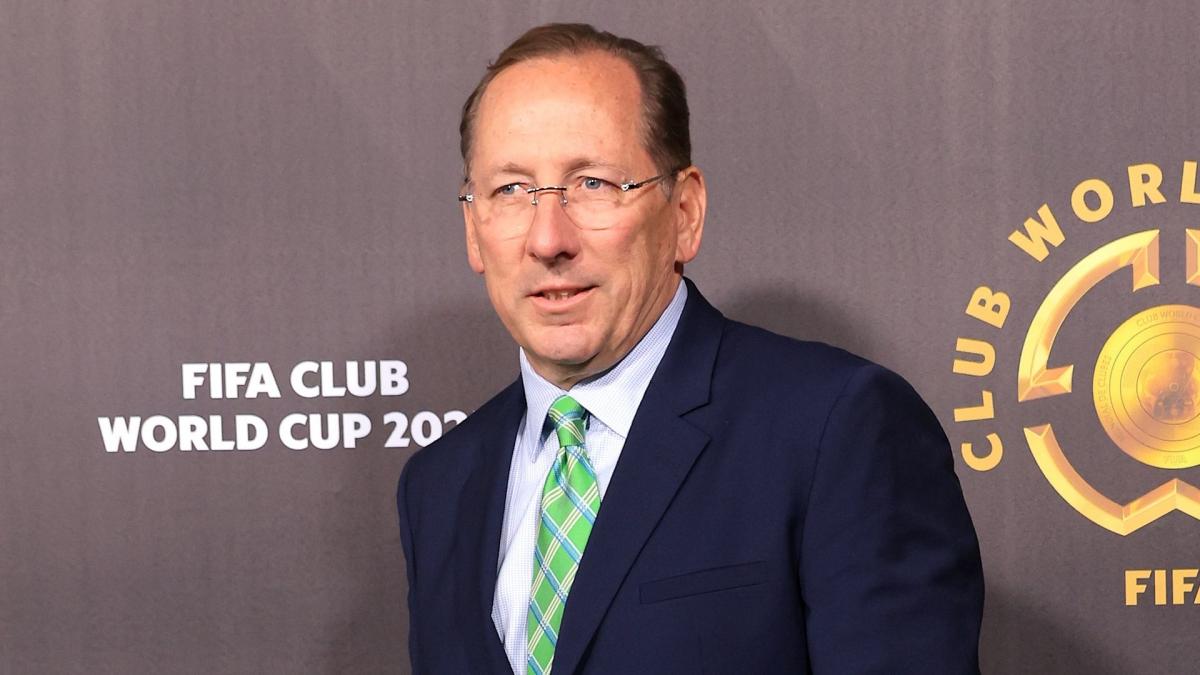
John Textor’s Views on Club Finances and Future Directions
John Textor has been making headlines since his departure from Olympique Lyonnais (OL). Now focusing on his interests with Botafogo, he has recently made waves by addressing various topics regarding the financial health of both Botafogo and OL. Last night, Botafogo faced off against Corinthians in the league, resulting in a 1-1 draw. After the game, Textor held a press conference where he tackled rumors about financial ties between Botafogo and OL, conveying a clear message about the clubs’ economic standings.
A primary point of contention was the claim that OL had financed Botafogo. Textor vehemently dismissed these rumors, asserting, “I want to be clear with everyone here. Botafogo generates significant income and finances several of Lyon’s deficit operations.” He emphasized that reports circulating in France suggesting the opposite were misleading. According to Textor, “We earn money via titles, player sales, and our expertise. Botafogo finances Europe, not the other way around.”
Financial Independence of Botafogo
Textor soothed financial anxieties by announcing that Botafogo’s economic structure is sound. “We are an organization audited by leading companies,” he stated, reinforcing the club’s intent to go public. He expressed confidence in Botafogo’s current financial health, stating, “There is no debate. There is no financial problem. We finance Europe.”
This assertion points towards a broader strategy he envisions for the club’s autonomy. Despite being under the umbrella of Eagle Football, Textor seems keen on delineating the operational identities of Botafogo and OL. “I want to separate Botafogo from the European part (OL), but it is on the board of directors of Eagle to decide,” he indicated, suggesting a potential shift in management structure aimed at enhancing financial independence.
Conflict with Ares
Throughout his address, Textor took the opportunity to directly confront Ares, an investment group he alleges is attempting to oust him from his position as the president of the multi-ownership structure. The Brazilian media recently reported that Ares was involved in a legal dispute with Textor, with discussions centering on whether he should remain at the helm of Botafogo. “I am the majority shareholder of Eagle, and Ares is one of the investors,” Textor explained defiantly.
He did not shy away from reflecting on his past decisions in France. “I made mistakes in France by wanting to be a reformer. The league is problematic, and the federation has a lot of power. I left voluntarily because I understood that I was the problem,” he shared. This admission might provide insight into his strategic pivot towards a more stable environment in Brazilian football.
The Vision for Botafogo
Textor’s comments during the press briefing painted a picture of confidence in Botafogo’s trajectory. He noted that the club is experiencing its best year in 120 years, emphasizing a strong continuity in management. “In Botafogo, we are stable. We are organized, and I am not afraid. (…) I did not ask for help. I want to buy Botafogo and remove it from Eagle,” he clarified, suggesting a desire for autonomy.
The conversation surrounding Botafogo’s management structure is crucial, as it highlights Textor’s intent on making the club less dependent on other entities. “There are partnerships in Europe that are better for the club. When we want to sell, the leaders advise us to withdraw to avoid conflicts of interest,” he noted, reflecting on the complexities of multi-ownership.
Textor’s vision appears to revolve around establishing clear boundaries between Botafogo and OL, ensuring that each club operates under its own identity while still maintaining a supportive relationship when necessary. “It is more a long-term debate than an immediate debate,” he concluded.
The recent statements by John Textor provide a rich narrative surrounding the financial and operational autonomy of Botafogo and its relationship with OL. As discussions continue, the clubs’ futures seem poised for evolution, with Textor at the helm advocating for a model that prioritizes stability and independence.
In conclusion, Textor’s insights present a compelling narrative of resilience and ambition for Botafogo. His commitment to separating the operational dynamics of Botafogo from OL underscores a desire for independence, which may, in the long run, pave the way for the club’s clearer financial success and strategic direction. The discussion about the clubs’ future will undoubtedly continue as both navigate their unique paths in the global football landscape.