
The Unconventional Campaign: Japanese Politicians Dressed as Anime Characters
In contemporary political arenas, campaign strategies have evolved significantly. Politicians worldwide are increasingly turning to creative, often unconventional methods to capture voter attention, especially from the younger demographic. As elections draw near, candidates are adopting technological trends and engaging tactics to sway the electorate. However, Japan has taken this phenomenon to an extraordinary level where some politicians dress as popular culture icons , including anime characters.
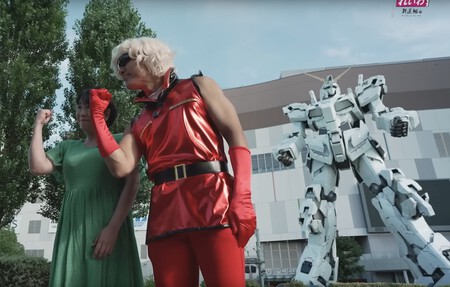
One controversial case was that of Taro Yamamoto , a former actor and founder of the ‘Reiwa Shinningumi’ party. Recently, he donned the costume of Char Aznable, a prominent antagonist from the legendary anime *Mobile Suit Gundam*. This striking choice raised eyebrows, particularly as Char is known for controversial motives within the series, making the campaign even more provocative. Interestingly, his campaign stunts aimed to evoke nostalgia and highlight issues affecting young audiences. Yamamoto partnered with voice actress Maya Okamoto, who voiced Emma Sheen in *Mobile Suit Zeta Gundam*, adding another layer of engagement to this avant-garde political strategy.
In a viral video featuring the two in front of a life-sized Unicorn Gundam statue in Odaiba, they made their political proclamations, aiming to generate interest among those who typically disregard conventional campaigning methods. The spectacle quickly gained traction on social media platforms, particularly on X, emphasizing the success of creative outreach.
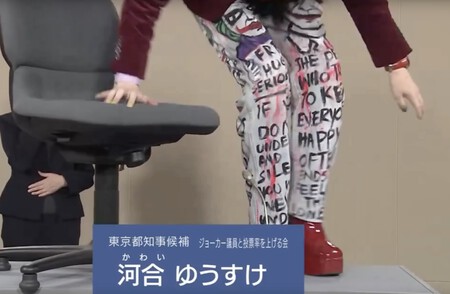
This innovative approach to garnering attention isn’t unprecedented in Japan. During the recent elections for the Cámara de Consejeros , numerous candidates from minor parties showcased their creativity by showing up dressed as unexpected figures, from iconic villains like the Joker to eerie characters from horror stories. Such theatrics aim to pierce through the apathy surrounding political discourse in the younger voting population.
The Japanese media landscape offers limited coverage for the abundance of candidates vying for attention, creating a competitive atmosphere where originality reigns supreme. While some candidates simply seek the limelight, Yamamoto and his party genuinely aim to address the cultural concerns impacting Japanese society today.
In his public statements, Yamamoto emphasized that modern parliament is fraught with people more interested in titles than in addressing real issues. He implored voters to consider the importance of nurturing Japanese pop culture , which he perceives as facing a crisis that affects small and medium-sized enterprises throughout the country. His initiative to engage disenfranchised voters generated positive dialogue, particularly among those who perceive politics as disconnected from their daily lives.
However, Yamamoto’s expressions resonate beyond the realm of costumes. They address deeper systemic concerns impacting sectors like anime and local businesses, challenged by recent tax reforms that many find burdensome. Yamamoto aimed to demonstrate that advocating for cultural preservation should incite political activism, especially among the younger demographics.
The backlash was swift and considerably varied, with criticism thrust upon Yamamoto for not recognizing the full implications of the characters he chose to emulate. Some described him as a “clown,” highlighting the absurdity of using a character whose story involves trying to induce a global ice age . Gundam fans expressed concerns regarding his representation of Char Aznable in a political setting, condemning the superficiality and potential misrepresentation of complex narratives.
Despite the criticism, many responses were supportive; countless comments pledged to vote, indicating that the innovative approach captured attention in a positive light. It becomes evident that engaging younger voters through unconventional avenues resonates more than traditional seriousness.
Despite the mixed reactions, one entity stands firm against political appropriation: Bandai, the company behind the Gundam franchise. Their official statement distanced them from Yamamoto’s antics, emphasizing that they do not endorse any candidates utilizing their properties for campaign activities. Bandai’s stance reflects a broader tendency for corporations to remain neutral in political contexts, ensuring their brand remains disconnected from any particular ideology.
This instance from Japan illuminates a growing trend wherein not only politicians but also parties worldwide harness elements of popular culture to reach younger audiences. From South Korea’s use of video games in campaigns to capture youth engagement, it’s evident that the quest for younger voters involves leveraging mass entertainment. The boundaries of traditional campaigning are pushing towards more absurd and creative methodologies, as candidates scramble to capture the attention of a generation often disenchanted with politics.
As Japan continues to explore these uncharted political waters, it remains to be seen where this trend will lead. Only time will tell if such bold strategies will result in a more engaged electorate or if they will spiral into absurdity, leaving citizens questioning the seriousness of their representatives.