
Lionel Messi’s Absence from the All-Star Game: A Impactful Decision on MLS
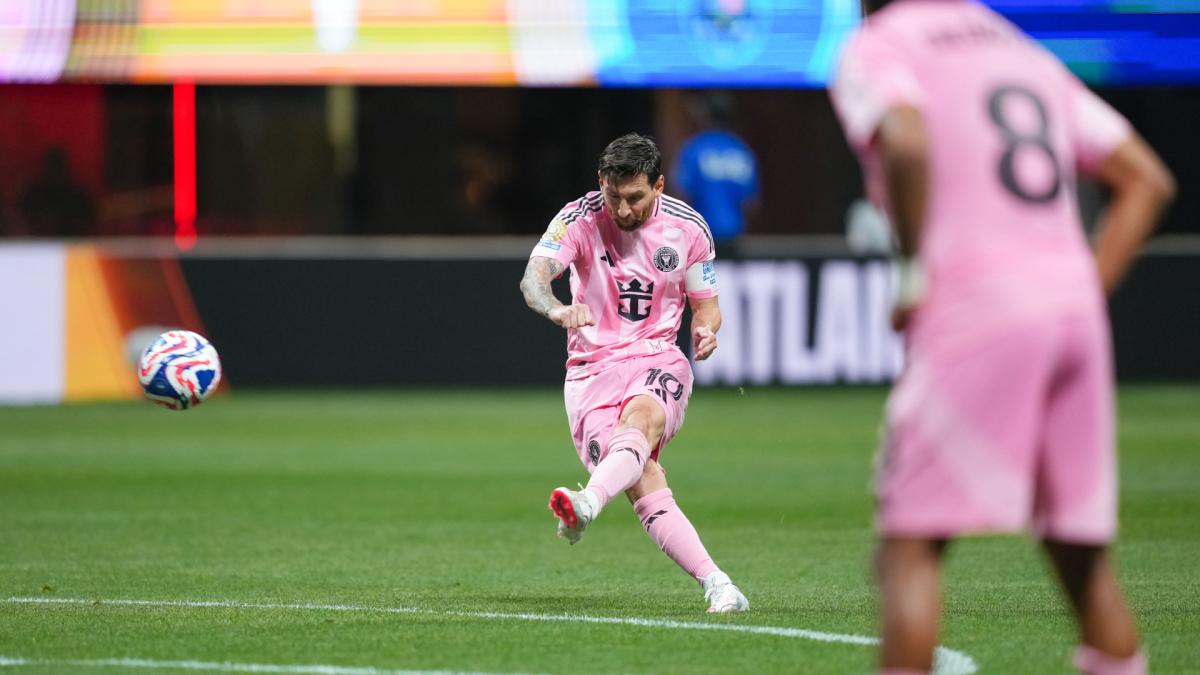
In the realm of sports, particularly in the United States, participation in significant events like the All-Star Game holds considerable importance. This year’s matchup, featuring a selection of the best players from Major League Soccer (MLS) facing off against top talents from the Mexican league, saw a notable absence. Lionel Messi, arguably one of the greatest soccer players in history, and his teammate Jordi Alba, decided to forgo participation, citing a need for rest. This choice has ignited various discussions surrounding player involvement in such pivotal moments in American sports culture.
Understanding the Implications of the All-Star Game Absence
The All-Star Game is not just a spectacular display of talent; it is a celebration of the sport, bringing together fans and players in a dynamic setting. Lionel Messi, who recently revolutionized Inter Miami, has become a significant draw for both domestic and international audiences. His absence, therefore, raises some eyebrows, particularly when considering the league’s regulations regarding player participation.
MLS officials have articulated the rules that govern player attendance at the All-Star Game. According to the league regulations, any player who does not partake in the event without prior agreement from MLS will face sanctions in the next match. Unfortunately for Messi and Alba, this means they will be unavailable for the highly anticipated clash against Cincinnati on the coming Saturday.
A League’s Response to Player Choices
In a statement issued by MLS, the reasoning behind this decision was underscored. “In accordance with the rules of the League, any player who does not participate in the All-Star match without the prior agreement is not authorized to play the next match of his club,” they stated. The league’s leadership regarded this enforcement as a difficult but necessary decision.
Despite the sanction, the league’s commissioner has a clear admiration for Messi’s contributions to the MLS. “I know Lionel Messi loves this league. I don’t think there is a player who did more for the MLS than him,” the commissioner remarked. This statement highlights a crucial balance between enforcing rules and acknowledging the invaluable influence Messi has had on the growth of soccer in the U.S.
Rest vs. Performance: A Balancing Act
The decision by Messi and Alba to rest rather than compete in the All-Star Game has sparked discussions not only in MLS circles but also among fans and analysts globally. The decision raises questions about the physical demands placed on elite athletes and how they choose to manage their careers. For a player of Messi’s caliber, the intensity of MLS matches coupled with international responsibilities can be overwhelming. Thus, the decision to prioritize rest is a commentary on an athlete’s journey towards maintaining performance while navigating the rigors of the sport.
Fans’ Perspectives on the Absence
While Messi’s fans may understand the reasoning behind his absence, it does evoke mixed feelings. The All-Star Game is a premier event, often seen as a celebration of the best talents, and the absence of a player like Messi diminishes that spectacle. Fans invest emotionally and financially in the prospect of witnessing their favorite players in action. The disappointment of fans is palpable when top players opt out of participation.
The criticism from some quarters suggests that while rest is essential, it should not come at the expense of showcasing talent on such a significant platform. The balance between athlete health and fan engagement is a delicate one, and discussions surrounding this topic are seemingly never-ending.
Conclusion
Lionel Messi’s decision to skip the All-Star Game raises important questions about athlete management, fan expectations, and the evolving landscape of soccer in the United States. While MLS officials have enforced rules to maintain the integrity of the event, they also recognize the tremendous value Messi brings to the league. His contribution is not limited to statistics or trophies; it’s rooted in his ability to attract attention, elevate competition, and foster passion for the sport in a country often overshadowed by other athletic endeavors. As the world watches, the fallout from this decision prompts further reflection on the demands faced by modern athletes and how leagues can adapt to support both their stars and their fanbases.