
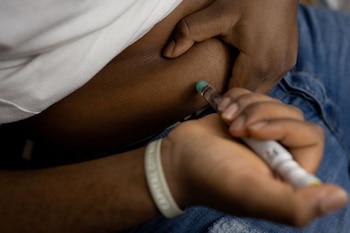
Insulin Availability in Colombia: A Comprehensive Update
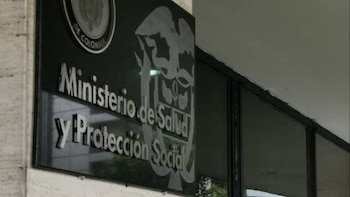
The Ministry of Health and Social Protection of Colombia recently issued a statement addressing the availability and commercialization of insulin, which is crucial for managing diabetes . This announcement comes amid a troubling trend of shortages affecting users within the health system.
According to the Ministry, out of the entire insulin range available in Colombia, only two types have experienced significant marketing issues: crystalline and isopaneous human insulin. These types have been labeled as “shortage” medications by the National Institute for Food and Medication Surveillance (INVIMA) and were included in the list of vital pharmaceuticals unavailable since October 2024.
Now you can follow us onFacebook and join our WhatsApp Channel
However, the Ministry has assured the public that the problems surrounding insulin availability are being addressed. “Together with INVIMA, we are closely monitoring the health registration holders and assessing import opportunities under the vital medicine modality,” stated the Ministry’s representative.
The Pisa Pharmaceutical head has reported a commitment to supplying the national market. During a work meeting held on July 3, 2025, it was asserted that there are thousands of insulin units available for distribution.
- Crystalline human insulin: 14,900 units available, with INVIMA authorizing the importation of an additional 70,000 units to enhance supply.
- Isopan human insulin (NPH): 23,000 units available, with a further 80,000 units authorized for import under the vital medicine modality.
The Ministry clarified that crystalline human insulin is primarily utilized in hospital settings for treating hyperglycemia . On the other hand, analog insulins, which are preferred in outpatient settings, continue to have stable availability across the nation.

The Ministry further highlighted that Colombia is home to four health registration holders: Pisa Pharmaceutical, Elyxim Biopharmaceutical, Biocon, and Novo Nordisk. However, only the former is actively marketing the insulin types that are currently scarce, attributed to the declining commercial interest from the other three holders.
This shift is largely due to a growing trend wherein crystalline and isopaneous human insulin are gradually being substituted in outpatient settings with more advanced analog insulins. Consequently, with decreasing demand, the market appeal for these insulin types has waned for the registered holders in Colombia.
“The demand for these medications has diminished and, due to their lower cost compared to analog insulins, the industry has shown less interest in marketing them. However, this low profitability should not diminish the essential role these medications play in healthcare,” emphasized the Ministry in its recent statement.
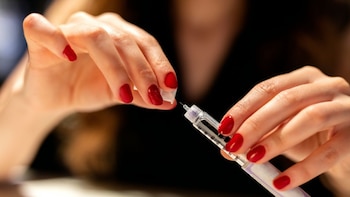
A significant player, Novo Nordisk , which controls over 50% of the market, has drastically reduced the commercialization of these insulin types and has temporarily suspended supplies since the last quarter of 2024. As of now, there is no clarity on when these products will be reintroduced.
Despite this, Novo Nordisk continues to ensure the availability of other insulin types such as swallow, swallow +, liraglutide, Detemir, and aspart, and is also supplying glucagon in an injectable solution.
Meanwhile, Sanofi Aventis has confirmed the availability of insulin glargine, glulisine insulin, and the combination insulin Glargina + Lixisenatida.

In conclusion, the Ministry of Health and Social Protection pledges to continuously monitor the provision of these essential medications and reaffirms its commitment to collaborating with relevant entities and stakeholders in the supply chain to ensure the availability of insulin and other critical healthcare products to those who need them.