
The Rise of Extended Range Electric Vehicles: A Glimpse into the Future
As the automotive industry shifts towards electric mobility , one intriguing innovation has emerged: the Extended Range Electric Vehicle (EREV) . These vehicles offer a compelling solution for those hesitant to fully embrace electric cars due to concerns about range anxiety . While Spain is still warming up to the concept, companies like Mazda and Chinese automakers are pushing the boundaries of what these hybrid designs can achieve.
Understanding the EREV Concept
An EREV , or Extended Range Electric Vehicle , is a unique breed of car that blends features of plug-in hybrids and fully electric vehicles. Unlike traditional plug-in hybrids that revert predominantly to combustion when the battery depletes, EREVs are engineered to operate primarily as electric vehicles, integrating a small combustion engine to augment power when necessary.
The Design Philosophy Behind EREVs
The core philosophy of EREVs is to maintain the driving experience of electric vehicles while providing a safety net in the form of a combustion engine. This engine activates only when the battery runs low, making it feel like an electric car at all times, which can be particularly appealing for urban commuters.
Mazda’s Commitment to EREVs
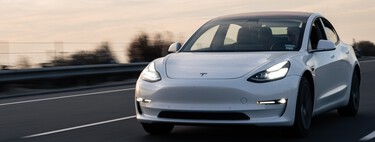
Mazda is leading the charge in advocacy for EREVs, despite the growing popularity of fully electric models. The Mazda 6e competes fiercely with bestsellers like the Tesla Model 3 , yet Mazda consistently emphasizes the need for a diversified vehicle portfolio in electric mobility.
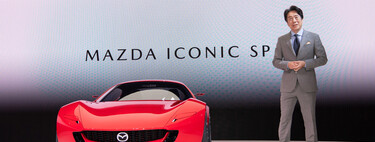
The Mazda Imonic SP is a testament to this stance. Although currently a prototype, it aims to blend daily electric operation with a compact rotary engine for extended journeys. This hybrid approach is particularly beneficial for weekend trips that involve varied terrains, like mountain driving.
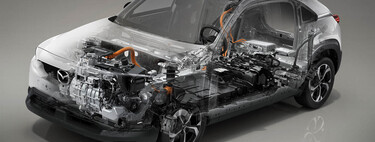
Moreover, the Mazda MX-30 already experimented with a two-engine system, where a rotary engine serves as an efficient electricity generator, overseeing the vehicle’s performance without directly affecting its drive feel. It operates primarily as a series hybrid , preserving the essence of electric driving.
The Dilemmas of Electric Vehicles
Mazda’s hesitation stems from two primary concerns surrounding electric vehicles:
- Cost of Large Batteries: Larger batteries are necessary for extended range but significantly drive up the price of electric vehicles, challenging consumer affordability.
- Weight of Batteries: Larger batteries also contribute to increased vehicle weight, contradicting Mazda’s ethos of lightweight sports cars . This is why they champion their dual-engine model.
Global Adoption and Market Potential
Interestingly, Mazda’s concepts are gaining traction, especially in China , where EREVs are becoming commonplace. Many manufacturers are launching models within the NEV category (New Energy Vehicles), which encompasses both plug-in hybrids and fully electric options. For example, the LEAPMOTOR C10 REEV —a Chinese vehicle—demonstrates this hybrid technology already embraced in the market.
Chinese consumers are increasingly aware of the benefits. EREVs require smaller batteries, lowering costs while preserving the essential driving feel of electric vehicles while also extending range capabilities.
Pushing the Boundaries of Innovation
Cutting-edge EREV designs are taking things a step further. The IM Motors , a Chinese automotive company, is set to unveil its latest EREV model equipped with a 66 kWh battery . This innovative vehicle promises a more extensive range and exceptional performance metrics, marking a significant leap forward in electric design.
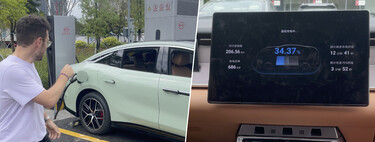
This model will confirm its status as a robust contender in daily driving scenarios, aiming for a range of over 450 kilometers without relying on the combustion engine. This capability aligns with the emerging trend where electric vehicles are expected to exceed traditional gasoline-powered options in terms of efficiency.
The Future of EREVs
As the automotive landscape evolves, EREVs offer a compelling way forward, providing consumers with the best of both worlds: electric efficiency combined with the reassurance of combustion power when necessary. The focus on innovative technologies, such as 800-volt batteries , further enhances the promise of rapid charging and longevity. With brands like Mazda and IM Motors championing this technology, the future of EREVs looks bright, reshaping electric mobility globally.