
Escalona’s War on Illegal Occupation: A Municipal Crusade
Escalona is a town in Castilla-La Mancha that doesn’t usually attract much media attention outside regional press. Recently, however, it has been making headlines due to its dedicated effort to combat illegal housing occupations. This situation is not due to an acute problem—after all, illegal occupations have reportedly decreased by 60%—but rather because the City Council has initiated a comprehensive plan against the squatters, known locally as “okupas.” The town has activated a Municipal Plan, which includes opening a dedicated office and offering a free eviction service for residents to expedite removals within the first 48 hours of occupation.
Currently, the City Council boasts that the number of illegal occupations has diminished by more than 60%. This victory can be attributed to various strategies implemented by local authorities.
The Escalona Crusade Against Squatters
In Escalona, a municipality in Toledo with around 3,800 residents, the war against illegal housing occupation has escalated. In just one year since the launch of the ‘antiokupa’ plan in 2022, authorities have reported a staggering reduction of approximately 75% in illegal occupancies. Additionally, the crime rate within the town has dropped by 70%. Recently, local officials have reiterated their commitment to providing legal support for expediting evictions.
“There Are No Excuses”. Mayor Álvaro Gutiérrez first introduced this plan in March 2021. In a letter to community members, he described the illegal occupation issue as the “most challenging” faced by Escalona. He fervently stated, “We cannot and do not want to look the other way. There are no excuses for illegal occupation.” Gutiérrez emphasized that everyone has a right to housing but must access it through legal means without infringing on the rights of others.
Components of the Anti-Occupation Plan
The Antiokupa plan consists of three primary components. The first involves establishing a municipal office dedicated to offering free legal advice to property owners, irrespective of whether they are registered in the town. This move aims to expedite procedures so that property owners can act swiftly within the first 48 hours of an illegal occupation, a critical timeframe for facilitating evictions.
Furthermore, the City Council has compiled a “risk” housing census and promotes agreements with individuals and banks that own vacant homes. This allows property owners to delegate their legal authority to the City Council, enabling immediate court actions against illegal squatters.

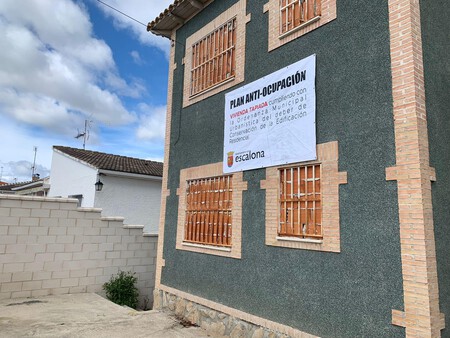
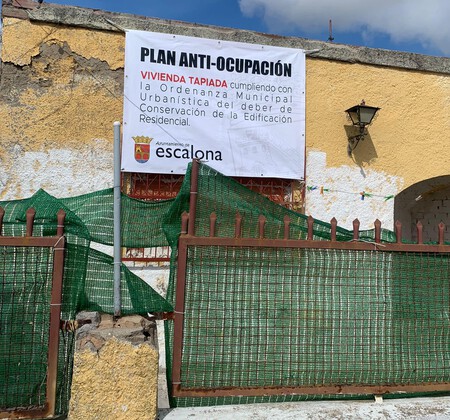
Measures for Empty Homes. The second component of the plan includes an ordinance mandating the installation of security features like special doors and windows on permanently empty homes. This measure targets especially financial institutions that own vacant properties. Failure to comply could lead to judicial actions, fines, and potential sanctions.
The City Council indicates that since the activation of their anti-occupation strategy, around 40 homes have been secured with enhanced barriers to deter illegal entries.
Finally, the third component involves collaboration with external entities, such as the Civil Guard and private security firms, to enhance operations addressing crime in the municipality. The plan also entails partnerships with local utility companies to expedite service cut-offs in illegally occupied residences.
In May, the local government announced a free mediation service for affected homeowners, informing them about new legal developments to facilitate evictions within 48 hours.
Challenges and Future Outlook
The town of Escalona has identified several demographic challenges, including a fluctuating register due to seasonal occupants. According to Mayor Gutiérrez, “We have the obligations and resources of any municipality with 3,400 registered residents; however, our population can peak at over 25,000 during certain seasons.” The past record of over 130 illegal occupations confirms the necessity for these efforts. The town has witnessed cases of seasonal squatters who occupy homes primarily used as second residences and often belong to individuals from larger nearby cities.
In summary, Escalona’s proactive stance against illegal occupations demonstrates a commitment to safeguarding homeowners’ rights while tackling a complex issue. With its multi-faceted strategy, it sets a precedent for other municipalities facing similar challenges. This ongoing battle is not just about properties but also involves navigating the social dynamics of housing needs, legal frameworks, and community rights.