
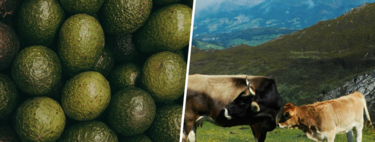
In Spain , the avocado has transitioned from being an exotic fruit to a staple in the shopping baskets of many households. The demand for this delicious tropical fruit continues to soar, making it a significant player in the span of Spanish cuisine. In 2023 alone, tropical fruits have overtaken traditional citrus fruits in popularity, a clear shift reflected in consumer preferences. The area dedicated to avocado cultivation in Spain has already expanded to 24,000 hectares , with Andalusia leading this trend. However, this surge comes with challenges as drought conditions and increasing temperatures exert pressure on southern regions. As a result, farmers are turning their attention northward, leading to a growing interest in regions like Galicia .
A New Tropical Map
Historically, Galicia may not be the first region that comes to mind when thinking of avocado cultivation; its lush, green landscapes offer a stark contrast to the typical sunny climates associated with this fruit. Yet, recent data and experiences suggest a changing narrative. In the province of Pontevedra , for example, at least seven hectares of land were being cultivated with avocados by 2022, and that figure has since doubled. Higinio Mougán, director of the Galician Association of Agrifood Cooperatives (Agaca) , highlights that avocados are becoming increasingly integrated into local cooperative farming.
The Farmers’ Dilemma
With enticing market prices and a growing demand, farmers in Galicia, such as those from the Horsal Cooperative , are embracing avocado cultivation. However, they proceed carefully. Avocado farming requires more than just planting; it demands attention to various factors that influence crop success.
Is Galicia Truly Suitable for Avocados?
In theory, yes. Galicia boasts a mild climate with no prolonged frosts and significant rainfall. Researchers like Iñaki Hormaza from CSIC assert that these conditions mimic the avocado’s original climate more closely than some southern areas. However, the region is not without its challenges. Summer temperatures exceeding 35ºC , strong coastal winds, waterlogged soils, and unexpected frosts can pose substantial risks. Pablo Porto, a horticulture expert from Vivaz Plant , emphasizes the importance of doing thorough groundwork before embarking on avocado farming. Proper soil drainage , wind protection, and well-aerated soil are crucial for success, as are considerations for low productivity rates—only about 1% of avocado flowers develop into fruit.
Success Stories and Insights
Interestingly, there is evidence supporting that avocado cultivation can flourish in cooler regions. A compelling case comes from Asturias , where a remarkable avocado tree, planted in 1906 , still thrives and stands as Europe’s oldest known avocado tree. This tree, cultivated by Ángel Sordo in Porrúa , has a massive canopy that stretches up to 30 meters in diameter, illustrating the avocado’s adaptability and longevity in northern climates. Inspired by this legacy, entrepreneurs like Andrés Ibarra have pioneered Aguacastur to harness the avocado’s potential in the Cantabrian region. Ibarra’s efforts unearthed a surprising number of avocado trees thriving in the area, some with multiple flowering cycles each year. Notably, these trees have withstood even harsh conditions, with temperatures dropping to -5ºC without significant damage.
The Future of Avocado Cultivation in Spain
The converging challenges in southern Spain— droughts , over-extraction of aquifers, and severe heat—are prompting a reevaluation of where avocados may be cultivated sustainably. The pristine environment of northern Spain, combined with its manageable climate, may well serve as the new frontier for Spanish tropical fruit farming. The agricultural history of Galicia , which historically produced olives , is a reminder of the region’s potential for agricultural revitalization.
The interest in avocado farming in Galicia is palpable, with the expansion of plantations and the organization of cooperatives. However, as farmers venture into this promising new territory, they must navigate a landscape fraught with challenges. The allure of “green gold” has undoubtedly arrived in Galicia, but this time, it appears ready to stay.
Image credits: Unsplash