

The Labor Market Crisis for Workers Over 50 in Spain
In Spain, the employment situation of workers over 50 has become especially concerning, as they represent an increasing portion of registered unemployment. The demographic shift in Spain’s population requires an extension of working life and a delay in the retirement age to ensure the sustainability of pensions.
Essentially, the labor market is cornering workers over 55, caught in a cycle of chronic unemployment and increasingly distant retirement, which adds further strain on public finances.
New Realities: The Imperative to Retire Later
Retirement age statistics and projections coincide on one critical point: Spain must increase the standard retirement age to avoid a collapse of its pension system. A recent study from the BBVA and IVIE Foundation indicates that the aging population and the delayed entry of younger individuals into the labor market may push the retirement age to a staggering 71 years, given the declining number of active contributors versus the rising number of pensioners.
The OECD echoes this warning, asserting that the employment rate could plummet by 10.3% by 2060 unless measures are enacted to regularize immigration and promote labor integration for those over 55. Addressing the inclusion of older workers must be prioritized immediately.
The Demographic Shift: A Surging Senior Unemployment Rate
According to official data, those over 50 account for nearly 47% of the unemployment registered in Spain, equating to over 1.14 million unemployed people in this age group. Yet, paradoxically, this demographic reports a unemployment rate of just 10.35%. This contradiction can be traced back to shifts in the demographic pyramid.
As clarified in reports, this over-50 age bracket has seen a decrease in its active workforce from 3.8 million to about 8.1 million in recent years due to aging workforce dynamics. Thus, the unemployment rate appears lower.
In stark contrast, younger workers face a higher unemployment rate of over 26.53%, with around 451,000 individuals out of work. This figure is less than half the unemployment count for those over 50.
The Reality of Senior Unemployment
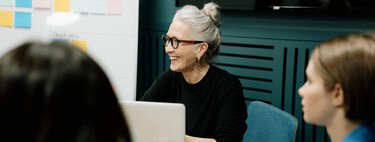
The data paints a troubling picture: while fewer young people are entering the labor market, there is a notable increase in the number of unemployed individuals over 50, which heightens the risk of labor shortages in many sectors.
Official reports by the Ministry of Labor attribute the lack of digital skills and the challenges in retraining older workers as the primary barriers to their employment. This issue is particularly prominent in sectors such as banking, technology, and industry , which have been aggressively cutting older workers. The figures provided by INE corroborate this, showing that the proportion of individuals over 55 in the labor market has doubled in the last 15 years, yet they face increased risk of long-term unemployment.
Involuntary Early Retirement: A Growing Trend
One direct outcome of this exclusion from the job market is that many individuals over 55 find themselves navigating a path filled with periods of unemployment and subsidies, ultimately leading to early or involuntary retirement.
According to the SEPE , the state bears the financial burden of these unemployment benefits and later retirement costs, significantly because many companies incorrectly view workers at 55 as “too old” to be productive. This mindset is troubling, especially when there are strategic sectors in need of skilled labor.
The Push for Extended Working Lives
The goal of advocating for extended working lives is not solely about maintaining an active workforce; it’s also about aligning the retirement age with life expectancy. Excluding capable workers adds approximately ten more years of dependency on public funds, which could have been avoided.
In conclusion, as Spain grapples with an aging population and the need to adapt its workforce, the road ahead remains fraught with challenges. Strategies to harness the experience and talents of older workers are not merely beneficial but essential, ensuring sustainability in an ever-evolving economic climate.