
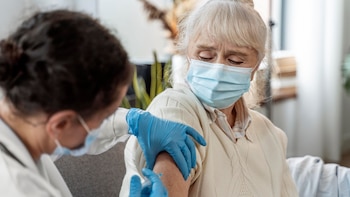
In Peru , a significant public health initiative has resulted in the vaccination of 2 million 805,145 adults over 60 years against *pneumococcus*. This achievement represents an impressive 66.67% coverage of the elderly population, as reported by the Ministry of Health (Minsa) . This initiative is crucial, particularly because *pneumonia*, often caused by pneumococcus, poses considerable health risks for elderly individuals.
The *pneumococcus* bacterium is a leading cause of severe pneumonia, which can result in hospitalization or even death, particularly among those with weakened immune systems . The *pneumococcal vaccine*, administered by Minsa, is instrumental in preventing such complications and is part of the country’s national vaccination schedule.
Immunization against pneumococcus requires just one dose for individuals aged 60 and older, providing lifelong protection. It is administered throughout the year, eliminating the need for specific seasonal campaigns. Minsa assures that “all health establishments” across Peru are stocked with this vaccine, which has received prequalification from the World Health Organization (WHO) , thereby certifying its *safety, effectiveness,* and *quality*.
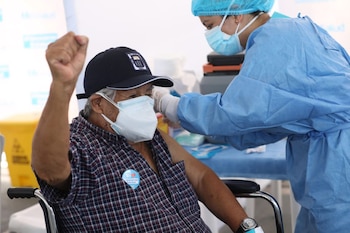
The national immunization effort spans over 8,000 health facilities , ranging from large regional hospitals to rural health centers. To further enhance accessibility, dedicated vaccination points are established at banking agencies during pension payment days under Pension 65 , a social program designed to support individuals living in extreme poverty.
*Pneumonia* is a leading cause of mortality among older adults in Peru. According to the Pan American Health Organization (PAHO) , acute respiratory infections, which include pneumonia, accounted for up to 15% of deaths in this demographic across Latin America. In recent years, data from the National Statistics and Informatics Institute (INEI) showed that Peru registered over 3,000 pneumonia-related deaths annually among older adults.
Various factors, including age, chronic diseases such as diabetes and hypertension, and low temperatures elevate the risk of experiencing severe forms of pneumonia. Consequently, Minsa has encouraged families to remain vigilant and to ensure their older family members receive timely vaccinations at nearby health centers.
Minsa has established a free health line (113) to provide the public with information regarding nearby vaccination points and guidance on the immunization process for older adults. Additionally, household vaccination campaigns, mobile brigades, and partnerships with local governments are employed to promote vaccination in rural areas with limited access.
María Elena Martínez, Minsa’s Director of Immunizations, emphasized the commitment to reaching all corners of the country, stating, “Vaccinating our older adults is an act of love and responsibility .” Although approximately 70% of the target population has been vaccinated, authorities recognize the need to reach an additional 33.33% , equating to over 1.4 million individuals aged 60 or older who remain unvaccinated.
Public health experts warn that with the increase in respiratory diseases linked to climate change and seasonal virus circulation, pneumococcal vaccination is an essential tool to prevent severe health issues and avoidable fatalities. This vaccination campaign aligns with Peru’s public health policies and reflects its commitments to the Sustainable Development Goals (SDGs) , particularly SDG 3, which aims to ensure healthy lives and promote well-being for all individuals.
Through collaborative efforts between Minsa, regional authorities, and healthcare personnel, Peru has maintained consistent coverage in its National Immunization Program. However, officials stress the need for continued efforts to ensure that all older adults across the country are vaccinated.