
Intensifying Clashes in Syria: A Diplomatic Effort for Resolution
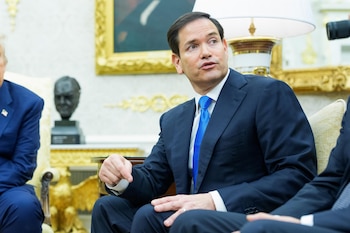
The ongoing conflict in Syria has escalated recently, as indicated by the urgent communications from the Secretary of State of the United States, Marco Rubio. According to Rubio, all parties involved in the clashes have agreed on “specific measures” aimed at resolving the worrying and terrifying escalation of violence. “We have been in contact with all the parties involved in the clashes in Syria. We have agreed on specific measures,” he stated, emphasizing the need for each party to adhere to their commitments.
In his statements, Rubio expressed hope that tensions would ease in the next few hours, especially in southern Syria, where clashes between Drusos and Bedouin groups have erupted. These conflicts have primarily been centered in the city of Sueida , raising concerns regarding the safety and stability of the region. Rubio stressed, “We have been in contact all morning and all night with both sides, and we believe that we are on the way to a real understanding.” His remarks came during a press conference alongside U.S. President Donald Trump , underscoring the White House’s concern over the situation.
The Complex Dynamics of the Conflict
Rubio’s comments highlight the historical rivalries that exist among the various factions in southern Syria. Despite the deeply rooted animosities, the Secretary of State expressed hope for real progress to end the violence, which he characterized as “complicated.” The reality of such entrenched divisions poses significant challenges for achieving lasting peace in the region. The U.S. administration is actively working to facilitate dialogue and cooperation among the involved parties.
Further complicating matters, State Department spokesperson Tammy Bruce called upon the Syrian transitional government to withdraw their military forces. “This is essential for all parties to reduce tensions and find an exit to the crisis,” Bruce remarked. The U.S. is looking at ways to de-escalate the situation and create a more stable environment.
Israel’s Role in the Conflict
In addition to the internal dynamics in Syria, the role of Israel comes into sharp focus. Israeli Prime Minister Benjamin Netanyahu has described the situation in Sueida as “very serious.” The Israeli defense forces have been conducting operations, asserting that these are necessary to “save” the Drusos. Recently, Israel has launched strikes against targets in Syria, which reportedly included Syrian army headquarters and other sites in the predominantly Druze region.
The ongoing tensions have resulted in an increasing military presence in southern Syria, and both the U.S. and Israel are keenly aware that any miscalculation could lead to a wider conflict. The U.S. has categorized some of Israel’s military actions as a “misunderstanding,” illustrating the delicate balance that exists in diplomatic relations amidst military engagements.
Looking Ahead: The Path to Stability
The future of southern Syria hangs in the balance. While diplomatic efforts by the U.S. have provided some hope for a resolution, the reality on the ground suggests that achieving peace will be a challenging endeavor. It will require not only the commitment of local factions but also careful management of international interests and regional alliances.
As the situation continues to evolve, the urgency for dialogue and cooperation among all parties involved becomes increasingly critical. Both the U.S. and Israel must navigate the complexities of regional politics while striving for a stable and peaceful outcome. The international community watches closely, recognizing that lasting peace in Syria is not just a regional concern, but a priority for global security.
General News – 2