
Are Zoos Relevant in the 21st Century? A Unique Case in Spain
Do zoos make sense in the 21st century ? This question has sparked considerable debate, leading many cities to rethink the model of their zoos. Some, like those in several European countries, have made the bold decision to renounce keeping wild animals in captivity altogether. Amidst this backdrop, a small town in Tierra de Campos , Valladolid, known as Villagarcía de Campos , has taken a different approach—a new zoo that has raised eyebrows and piqued interest.
Located in a town of only 300 residents , this newly established zoo is unlike any you’ve seen. Instead of the typical array of exotic animals—no bears, lions, or giraffes—this zoo is dedicated solely to cows and oxen . Yes, you read that right: this venture aims to highlight the importance of native livestock amidst growing concerns for animal welfare.
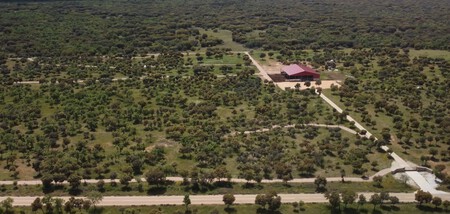
Named Bos Taurozos , the enclosure is spread over 17 hectares and is less than an hour’s drive from the city of Valladolid. The name itself combines Bos Taurus and the Mountains of Torozos , the geographical features defining the area.
While one may not expect a traditional zoo experience here, the creators of Bos Taurozos present it as an interpretation center for the Iberian Bos Taurus , showcasing over 30 different breeds of cattle native to Spain and Portugal, such as the Cachena and Sayaguesa . Visitors will encounter a variety of indigenous breeds that include the Black Andaluza , Retinta , Blanca Cacereña , and more, revealing the genetic diversity of livestock that is often overlooked.
Structurally, Bos Taurozos is also strikingly unique. The park is organized into a dozen sections named after major rivers of the Iberian Peninsula, such as the Duero , Ebro , and Tajo . This layout allows visitors to gain insight into the distribution of different cattle breeds across the country.
The park’s mission is to educate visitors, as they explain: “You can see the cattle of each race that lives along these rivers.” This immersive experience not only celebrates cattle ranching but also fosters an appreciation for agricultural diversity in the region.
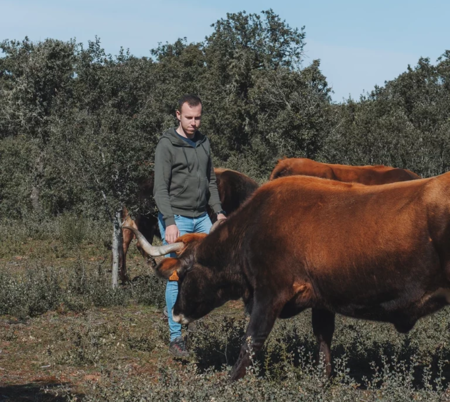
Behind this innovative concept are siblings Carlos (30) and Alicia (33) del Amo, representatives of the third generation of a family deeply rooted in agriculture and livestock management . Their daily life involves managing hundreds of cattle on various farms, but they share a larger vision: to highlight the importance of preserving livestock diversity .
As Alicia explains, “We decided to set up this business because we believe that many breeds are being lost, and people don’t even know they exist.” The journey to gather around thirty different cattle breeds has been anything but easy. They have faced numerous obstacles, including obtaining necessary permits for specific breeds.
To attract visitors, Bos Taurozos offers more than just a look at cattle; it features various adventure sports and activities, like archery , horseback riding , and even paintball . Furthermore, complimentary bicycle services are provided for those wanting to explore the area more actively. Plans are also in place to establish a leisure zone with food trucks , enhancing the visitor experience.
Admission is reasonably priced at 10 euros for adults, 8 euros for children, with free entry for the little ones. This unique zoo not only aims to be a fun family destination but also serves as an educational hub focused on cattle diversity and agriculture.
Images | LOMIG (UNSPLASH) and Bos Taurozos
As societies evolve, the role of zoos is increasingly scrutinized, pushing them to adapt to modern values. The Bos Taurozos project opens up the conversation about what the future of animal exhibits might look like, blending education, conservation, and culture in a small yet impactful way.