
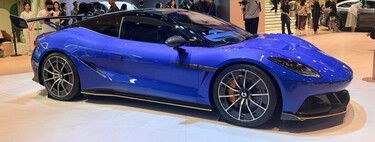
The Rise of Chinese Cars in Europe: A New Era of Automotive Innovation
Chinese cars are no longer a rare sight on European roads; they have evolved from an anecdote into a common phenomenon . Major players in the industry, such as BYD and SAIC , have begun importing their vehicles in substantial numbers, while also establishing manufacturing facilities across Europe. Although the market is experiencing significant growth, questions linger about the safety and quality of these vehicles compared to their European , Japanese , or South Korean counterparts. However, one authority is unambiguous in their assessment: the Euro NCAP safety ratings.
EURO NCAP: The Authority on Vehicle Safety
Skepticism remains a prevalent attitude among consumers. My colleague, Alberto, frequently encounters concerns from friends and family regarding the safety of Chinese vehicles. There’s a commonly held belief that “cheap made in China” equates to substandard quality. However, under the new policies promoted by Xi Jinping’s government, China aims to position itself as a leader in future technologies , particularly in sectors such as battery technology and electric vehicles.
Obligations to Meet European Standards
In addition to striving for technological superiority, Chinese manufacturers are also forming joint ventures with established companies to facilitate knowledge sharing . For instance, Geely has partnered with Renault, and SAIC collaborates with Volkswagen to advance their electric vehicle technology. Alongside these partnerships, regulations imposed by the European Union are also a significant factor.
Since 2022, the EU mandates that all new car models must be equipped with several safety features such as emergency braking , fatigue detection , speed alerts , and lane departure warning systems. These requirements extend to Chinese manufacturers as well. Notably, due to high pedestrian danger, the Tesla Cybertruck is not anticipated to debut in Europe.
Euro NCAP’s Assessment
The Euro NCAP plays a pivotal role in evaluating vehicle safety through rigorous testing protocols focused on active and passive safety features. A high safety rating is often a marketing tool for manufacturers, earning vehicles the esteemed “ Five Euro NCAP Stars ” designation. Interestingly, reports from Reuters indicate that Euro NCAP considers Chinese automobiles not only comparable to their Western counterparts but, in some cases, superior. Matthew Avery, the Director of Strategic Development at Euro NCAP, emphatically stated, “Forget the notion that Chinese means lower quality or worse safety performance. The quality of vehicles from Chinese brands is better than that of many others.”
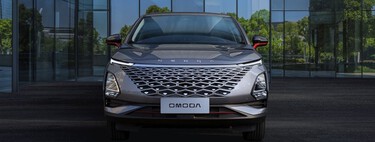
Notable Models in Safety Ratings
Recent evaluations from Euro NCAP have highlighted some standout models. For instance, the Deepal S07 boasts an impressive 95% score in adult occupant protection. Other models worth mentioning include the MG55 EV , Geely Ex5 , BYD Sealion 7 , and Jaecoo 7 PHEV .
Practical Experience with Chinese Cars
The growing presence of Chinese automobiles spans both electric and combustion engine options. Alberto has tested numerous Chinese models in recent months and acknowledges that while the experiences have generally been positive, he observed that enhancements are needed in driving aids and automated systems .
Since they have been primarily developed with Chinese road conditions in mind, the software in these models requires adaptation for European terrains. Brands like Leapmotor and Xpeng have expressed intentions to conduct further testing in Europe to refine their systems.
Ultimately, the critical issues surrounding Chinese cars do not seem to revolve around safety but focus instead on reliability and after-sales service . These are factors that will require multiple years of data collection and feedback to truly assess how they evolve in the competitive automotive landscape.
Image | EURO NCAP
In Xataka | Omoda and Jaecoo unveil their plans in China. The offerings we have witnessed in Spain represent merely the beginning of their ambitious plans for the European market.