
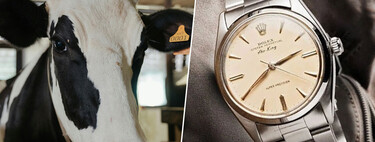
The Rise and Fall of the Second-Hand Luxury Watch Market
The second-hand luxury watch market has undergone dramatic changes in recent years, mirroring broader economic trends and shifting consumer sentiment. After enjoying a meteoric rise fueled by a surge of wealthy cryptocurrency investors and fluctuating stock markets, the luxury watch bubble has since burst. However, recent developments, including a rebound in cryptocurrency values and shifts in international trade policies, are beginning to reshape the landscape for this exclusive market.
A Roller Coaster of Interest
In 2020, the financial climate was profoundly impacted by the COVID-19 pandemic. As people sought investment opportunities outside traditional markets, interest in luxury watches surged. These timepieces are not just meticulous engineering marvels; they have emerged as alternative investments that can significantly outpace traditional stocks in terms of profitability. In this climate, luxury watches became highly desirable, particularly among new millionaires made rich by cryptocurrency volatility.
During this period, brands like Rolex, Audemars Piguet, and Patek Philippe saw skyrocketing demand for their limited-edition models. The blending of art and precision engineering in these timepieces made them highly sought after, resulting in prices that often surpassed the original retail value in the second-hand market. The allure was clear: owning a luxury watch signified both wealth and sophistication.
The Bust of the Bubble
However, the luxury watch bubble was not meant to last. As signs of economic weakening began to surface, many investors who had purchased luxury watches at inflated prices rushed to sell, flooding the second-hand market. The sudden influx of watches led to a saturation that outpaced demand. What was once a lucrative investment now saw its value plummet, with prices reaching historic lows as sellers struggled to find buyers.
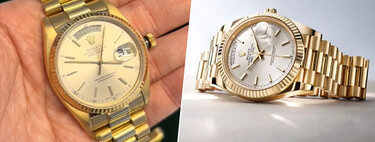
The lack of willing buyers drastically reduced resale values, showcasing how vulnerable even the most coveted luxury items can be to market fluctuations. This swift decline serves as a poignant reminder of the volatile nature of investment markets, particularly those driven by speculative enthusiasm.
Signs of Stabilization
As the dust began to settle, the current state of the second-hand luxury watch market reveals a more moderate recovery phase. Although it remains below the euphoric peaks reached during the pandemic, there are glimmers of hope. Recent reports indicate a renewed interest, particularly from cryptocurrency investors anticipating another surge following recent market rebounds.
Nevertheless, the uncertainty surrounding tariffs on European luxury goods imposed by the US complicates the recovery. These tariffs affect both the final retail prices and the availability of key luxury items in vital markets, which may serve to throttle the momentum of this revitalization.
The Impact of Tariffs
The U.S. government’s decision to levy tariffs on European goods elicited immediate reactions from American luxury watch suppliers. Analytics from Bloomberg showed a spike in purchases as consumers rushed to buy luxury watches before the tariffs took effect, with a staggering 150% increase in transactions. But once the stocks were loaded, the market saw a 25% dip as buyers awaited the enforcement of the tariffs, thereby stabilizing supply levels.
This ebb and flow exemplify the challenges facing the second-hand market as it navigates external economic pressures. With new inventory available, prices have maintained a level of stability that contrasts sharply with the wild fluctuations of previous months.
The Future of Luxury Diversification
Moreover, the stagnation of luxury product sales in Asia has made manufacturers shift their focus to North American and European markets, contributing to a more stable second-hand luxury watch market. Not only does this alleviate pressure on availability, but it also grants luxury timepieces a more measured market presence.
Simultaneously, a burgeoning trend in male jewelry is disrupting the traditional landscape where luxury watches have long dominated. Men’s jewelry—necklaces, bracelets, and other adornments—is gaining popularity and diversifying the luxury market. In 2023, the men’s jewelry segment reached 8.5 billion dollars, projected to skyrocket to 9.41 billion dollars by 2025, showcasing an expanding array of luxury options for high-net-worth investors.
The luxury landscape is evolving; watches are no longer the sole focus for affluent consumers. They represent a segment of a diversified luxury strategy, suggesting a dynamic future for both the second-hand watch market and the realm of luxury products in general.
As the luxury watch market recalibrates, it faces a future of both challenges and opportunities. Investors and enthusiasts alike must stay attuned to ever-changing economic factors and trends that can shape their purchasing decisions. The journey through the highs and lows of this market illustrates the volatility of luxury investments—paving the way for a more nuanced understanding of what it means to invest in timeless elegance.