
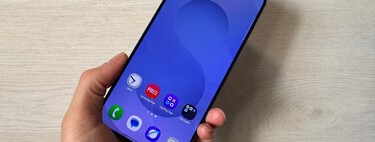
The Evolution of Android: Samsung Takes the Lead with Android 16
Just a month ago, Google updated its latest Pixel devices to the stable version of Android, version 16 . During the recent presentation event for the Samsung Galaxy Z Fold7 , Galaxy Z Flip7 , and Galaxy Z Flip7 Fe , the company made an impressive statement: all three devices come equipped with the latest version of Android. This sets a clear direction as we move toward 2025.
Android 16 being launched on these new models is a significant achievement. Typically, manufacturers spend months refining the ROM to match the latest Android version, especially companies like Samsung that employ a heavy customization layer . The rapid rollout of Android 16 on three new devices, just as Pixel phones begin their journey with this version, sends a powerful message: Samsung aims to be a leader not only in speed but also in performance.
Samsung’s Commitment to Long-Term Support
The seven years of updates initiative sets Samsung apart in the industry. They were the first to advance beyond Google in the update policy arena by offering seven years of system updates along with another seven years of security patches. This commitment to longevity is not just a marketing ploy; it signifies a major shift in how brands approach smartphone support .
Only Google, which trails Samsung, and Honor, recently joining the initiative, grant such extensive support for their top-tier devices. Seven years of software updates not only demonstrates that Android devices can receive updates for as long as an iPhone but also builds consumer trust. This extended support is crucial for retaining customers and ensuring that devices remain relevant over time.
Leveraging AI for Enhanced User Experience
Leader in AI: Samsung has partnered with Google to enhance its artificial intelligence functionalities. Surprisingly, the Galaxy AI ecosystem that Samsung offers is the most comprehensive in the mobile market, outpacing even Google’s own solutions and greatly surpassing rival offerings like Apple’s.
Samsung’s decision to integrate the Gemini Nano AI into its existing One UI apps demonstrates a clever tactical approach, where the distinction between standard features and AI capabilities becomes almost seamless. Users can simply press the AI button to access a range of enhanced features across various applications, such as:
- Gallery
- Phone
- Circle to Search (compatible with S-PEN)
- Voice Recorder
- Translator
- Text Generation Tools
- Support for third-party applications like WhatsApp and keyboard translation
Transforming User Interfaces
The lessons learned from years of user feedback are reflected in Samsung’s gradual transformation. Not long ago, the TouchWiz interface was deemed the ugly duckling of Android ROMs due to a variety of issues:
- It was slow, often riddled with lag
- Overloaded with unnecessary features
- Aesthetically unappealing
Fast forward to today, and Samsung’s One UI has evolved into one of the most refined user interfaces available. Its capacity to manage native functions and applications without causing slowdowns — even on mid-range and entry-level devices — establishes it as a reference point for both updates and AI integration within the industry.
As the smartphone landscape continues to evolve, the pressure is on for manufacturers to innovate not just their devices but the very ecosystems that power them. Samsung’s recent announcements indicate a confident stride into that future, making bold claims whilst solidifying its position as a leader in both software support and user experience.
In summary, Samsung’s aggressive strategy aligns with broader trends in technology, emphasizing longevity and the integration of advanced features into user-friendly designs. The company’s journey of transformation serves as a pivotal case study in how brands can adapt to rapidly changing market demands while ensuring customer satisfaction.