
OL Supporters Express Relief and Demand Change After DNCG Verdict
In a recent press release, the Bad Gones , a well-known supporter group of Olympique Lyonnais (OL), expressed a conflicted sentiment following the club’s confirmation of its maintenance in Ligue 1. While they are relieved by the decision made public on Wednesday, their satisfaction remains elusive as long as key figures continue to hold positions within the club’s hierarchy. The press release highlighted the frustrations of loyal fans, using strong language to convey their discontent regarding the club’s ownership and management structure.
“To OL lovers. We write to you following the verdict rendered this afternoon by the DNCG. We are not satisfied but relieved…” the statement began. It underscored the historical significance of OL in the world of French football, reminiscing about a time when the club was a powerhouse in Europe, known for its professionalism, well-managed operations, and an exceptional training center.
Discontent Over Ownership and Management
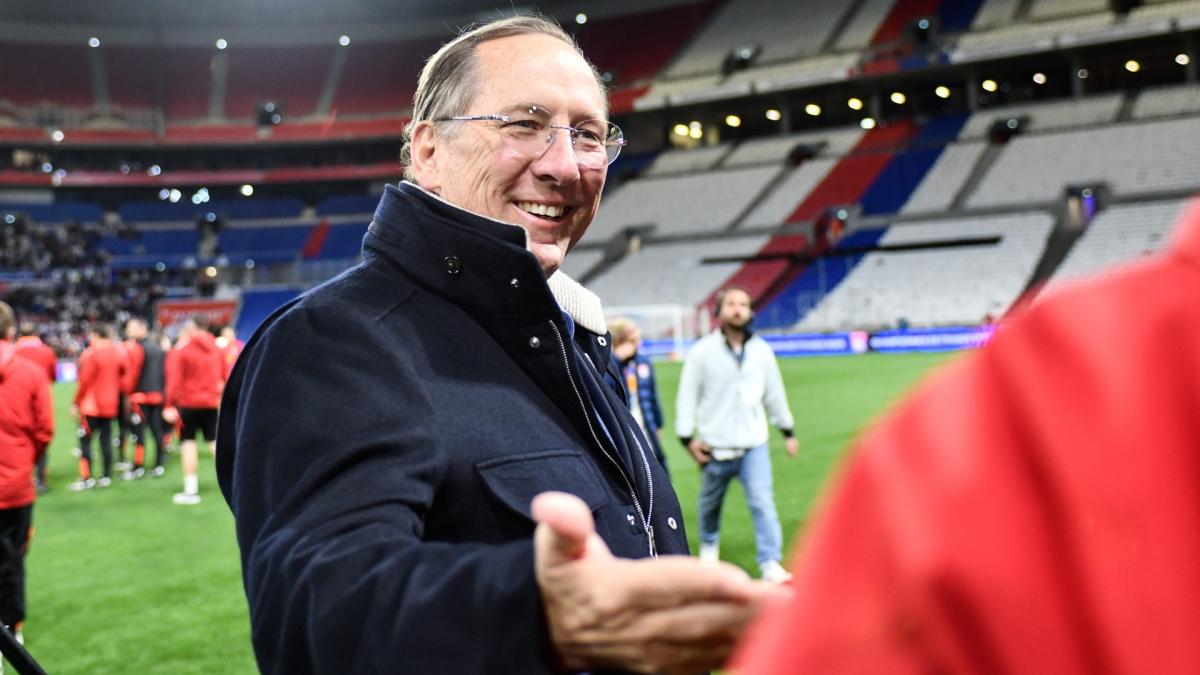
The statement does not pull any punches. Fans made it clear that their concerns lie primarily with John Textor, a figure they describe as “the magouilleur , the thief , the liar .” Despite having stepped down from his role as president, Textor’s influence is perceived as detrimental to OL’s integrity. The supporters urge a complete severance from the multi-ownership structure , which they believe undermines the club’s identity and legacy.
“Admittedly, we can recognize that we were too indulgent, at least publicly,” the message continued. This self-reflection speaks volumes about the fan culture at OL. It suggests that although there has been a historical tolerance for the club’s management decisions, the recent developments have forced a reassessment of priorities.
The release articulates a longing for OL to return to its roots. The supporters emphasize the values that have historically defined the club’s success: hard work, reasoned ambition, and stability across both sporting and administrative fronts. They demand a more grounded approach, encouraging management to rebuild the club with a focus on long-term goals and youth development .
Unity and Dedication of the Fans
Looking forward, the Bad Gones call for a reunification of supporters with their club, asking for their voices to be heard and respected as integral components of OL’s future. “To rebuild links and move forward together in the same direction, it will take us time,” they wrote. This call for patience reflects an understanding that change cannot happen overnight, especially given the complexities involved in restructuring such a historically significant football club.
They also addressed the players and coaching staff directly, acknowledging that the upcoming season—and potentially the next couple of seasons—could be challenging. Yet, their undying dedication to the club remains rock-solid. “Be sure of our dedication for the property of the club. We will be behind our coat of arms everywhere in France and Europe,” the release stated, reinforcing the notion that true fans will continue to support the team, regardless of the hurdles ahead.
Looking Ahead to the Future
The Bad Gones’ message resonates with a broader conversation about football today, particularly the increasing prevalence of multi-ownership structures that many fans feel detract from the essence of their clubs. The call for “Textor outside” echoes the sentiments of a generation of football supporters who want to see clubs return to their roots, where fan engagement and local identity take precedence over profit margins.
As OL prepares for its next match against Lens, the passionate call for change serves as a potent reminder of the weight that history and tradition carry in modern football. Fans are eager to see their beloved club respect its heritage while also striving for excellence on the field. The press release closes with a rallying cry: “Multi-ownership kills football!” The battle for authenticity in football is far from over, and the voice of the fans will undoubtedly play a significant role in shaping the future of Olympique Lyonnais.
As they gather in the stands, brandishing banners and chanting with fervor, the Bad Gones’ commitment to OL underscores a fundamental truth: in football, the bond between a club and its community can never be underestimated. The outcome of battles fought on and off the pitch will determine whether OL returns to its former glory or continues to face challenges that threaten its identity.