
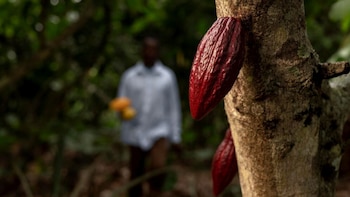
The Celebration of Cocoa: A Tribute to Nature’s Gift
Every July 7, communities around the world gather to celebrate the rich heritage of cocoa, an ancient seed that has woven itself into the fabric of Mesoamerican civilizations for centuries. Established in 2010, this day serves as a recognition of cocoa’s pivotal role in history, health, and culinary traditions. From its journey as a pre-Columbian staple to its current status as a beloved global ingredient, this day highlights the evolution of cocoa within the agricultural and gastronomical landscapes.
The significance of July 7 extends beyond mere celebration; it emphasizes the promotion of sustainable farming practices and fair trade that benefit small-scale producers. Through various events, tastings, and informational campaigns, this celebration uplifts the appreciation for cocoa and its derivatives, indicating that their worth transcends mere indulgence to represent a vital cultural, social, and economic link.
The Cultural Significance of Cocoa
Referred to commonly as the “Food of the Gods,” World Cocoa and Chocolate Day coincides with the boreal summer festive atmosphere in the Northern Hemisphere, creating a fitting backdrop for cocoa associations. This designation has gained traction through fairs, congresses, and public campaigns, establishing cocoa’s relevance in markets, health, and culture.
In the Spanish-speaking and English-speaking worlds, World Chocolate Day on July 7 often aligns with important anniversaries or the historical journey of cocoa to Europe, thereby reinforcing its visibility across various media and consumer landscapes.

Cocoa: Historical Context
In Mesoamerican societies, such as the Olmecs, Maya, and Aztecs, cocoa was not merely a consumable item; it formed critical economic and ritualistic foundations. Cocoa beans were traded as currency and incorporated into sacred rituals. The beverage made from cocoa was typically reserved for the elites, priests, and warriors, consumed in ceremonial spaces for its reputed energy and sacred properties.
This anthropological legacy continues to linger today, particularly through the tradition of Xocolātl, a foamy drink recognized as a precursor to modern chocolate. The ritualistic essence of cocoa persists in indigenous festivals, woven into the historical and cultural landscape of Latin America, maintaining its ancestral value.
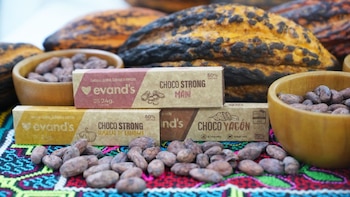
Modern Day Practices and Challenges
The effervescence surrounding World Cocoa and Chocolate Day resonates with contemporary sustainability efforts. Responsible farming practices, fair trade initiatives, and community support form the core actions observed on this significant day. Agricultural organizations and NGOs host discussions and training sessions aimed at promoting respectful methods such as agroforestry that enhance biodiversity.
Consumers are educated about the origin of cocoa, its traceability, and the working conditions of the individuals who labor to cultivate this treasured commodity. Ethical labeling programs and certification options are prominently featured at fairs and retail spaces, while discussions about transparency proliferate across social media platforms.

This day also fosters a celebration of culinary creativity. Countries around the globe engage in tastings, dessert parades, and contests featuring handmade chocolates. Innovative mixtures with spices, salts, or exotic peanuts are explored in an effort to highlight the sensory diversity of chocolate.
Educational initiatives in schools offer workshops for children, guiding them through the process from seed to sweet delight. Libraries and museums often host talks that integrate science, botany, and history, aiming to cultivate a culture of responsible consumption and awareness.
Ultimately, World Cocoa and Chocolate Day serves as an invitation to reconnect with our rich heritage surrounding cocoa. Recognizing its past, present, and potential sustainable future reinforces cocoa’s role as a symbol of cultural identity and economic opportunity. Celebrating this day means acknowledging its flavor, historic significance, and commitment to a sustainable future for all.