
Pioneering Ruling: Spain Takes Steps to Protect Digital Disconnection Rights
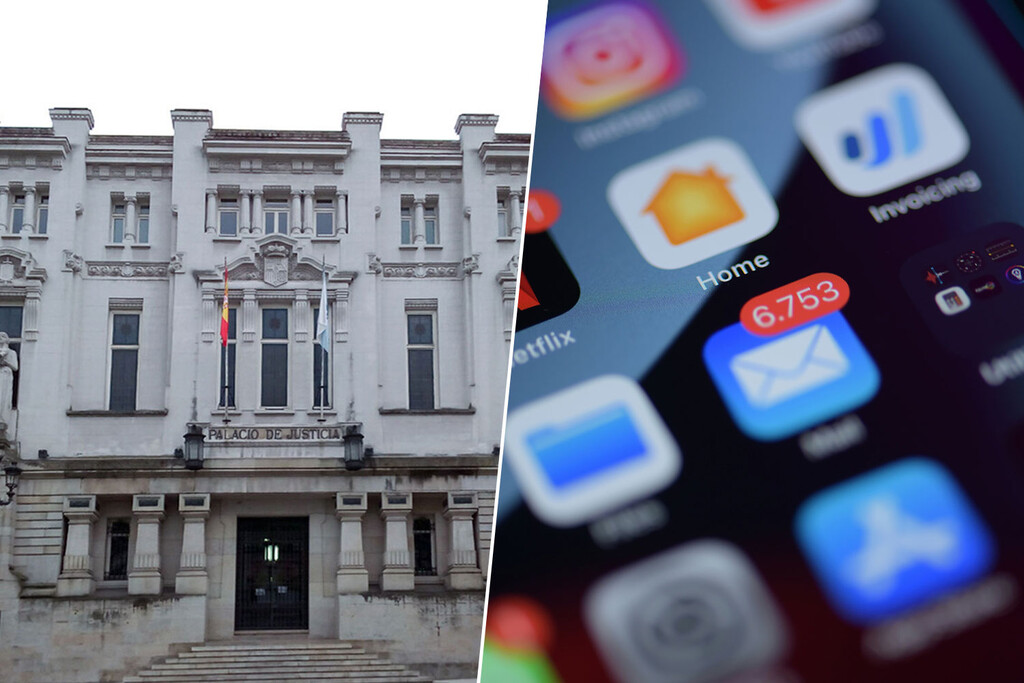
The Superior Court of Xustiza de Galicia (TSXG) has made a groundbreaking ruling in favor of worker rights, emphasizing the importance of digital disconnection in the workplace. For the first time in Spain, a company has been held accountable for sending work-related emails to an employee who was on medical leave, thereby setting a precedent in the protection of workers’ rights.
This ruling is particularly notable because while other countries such as France and Belgium have enacted laws concerning digital disconnection, the TSXG’s decision goes further by penalizing not only the expectation for workers to respond but also the company’s obligation to refrain from sending communications during non-working hours.
What was the situation? According to the court’s ruling, the worker—a woman enduring temporary disability due to an anxiety disorder —was continually bombarded with work-related emails throughout her absence. The company admitted to sending the emails but claimed they were merely part of a thread aimed at other team members and insisted that the employee was not required to respond immediately .
However, the TSXG did not acquiesce to these arguments. The court firmly stated that the company not only neglected its duty to avoid contact during the worker’s medical leave, but it also acted against her moral integrity . The ruling emphasized that the right to digital disconnection entails that employers must ensure no communications are received outside of working hours, confirming that workers should not feel compelled to respond to emails at any time.

40,000 euros for a croquette: Mercadona dismissed an employee for eating a croquette and must now compensate him
In clear terms, the TSXG articulated that the right to digital disconnection extends beyond individual responses to communications. It underlines an employer obligation not to communicate labor-related tasks or expectations beyond working hours.
This is especially crucial for employees on temporary disability due to mental health issues, as the court highlighted. Receiving such communications during a sensitive period can exacerbate feelings of anxiety and stress, undermining the worker’s dignity and ability to recover.
The legal framework supporting the right to digital disconnection is defined in Article 88 of the Organic Law 3/2018 and was reinforced with the Distance Labor Law enacted in 2021. These laws stipulate that all workers, including public employees, have the right to disconnect from work communications outside of their designated working hours.
This means that employees are under no obligation to respond to emails, phone calls, or any other digital communications outside of their working time. Notably, the TSXG ruling extends this right, emphasizing that the burden lies not merely on the employee to ignore intrusive communications but on the employer to ensure those communications do not occur in the first place.

Some employees sued their company for cutting the salary. The supreme has responded that being unpunctual is not a job
Implications of the ruling are significant, as the TSXG ruled that the employee entitled to €1,500 in damages for the company’s violation of her digital disconnection rights. While the court did not find sufficient grounds for claims related to physical harm or damage to honor, it stressed that enforcing constant availability on workers, particularly those facing health challenges, disrupts their capacity for personal recovery and self-development.
The compelling nature of this ruling cannot be overstated; it underscores a vital shift in labor rights in Spain and anticipates further discussion and legislation relating to work-life balance and employee mental health. As similar issues gain traction globally, this ruling may serve as a benchmark for how companies must adjust their practices concerning digital communication and employee well-being.
The ramifications of this decision could be felt well beyond Galicia, encouraging nationwide and even international dialogue on the necessity for compassionate labor practices in an increasingly digital workplace. Workers should enjoy the right to disconnect without the fear of repercussions, ensuring they can tend to their health and personal lives without undue pressure.